In this standing asana class we will pay a lot of attention to the arms. We will be using a belt to hold the arms in place so that we can observe what proper arm activation and integration can bring to other areas of the body, how it can contribute to the integrity of the pose as a whole. Working with a belt can also be very therapeutic for the arms and shoulders as it prevents us from overextending accidentally.
When practising yoga, we have to always remember to look for the reactions to our actions. That way we remain aware of whether an action is good or not, whether it’s useful or not. The better we can listen to ourselves and observe ourselves the better we become as teachers.
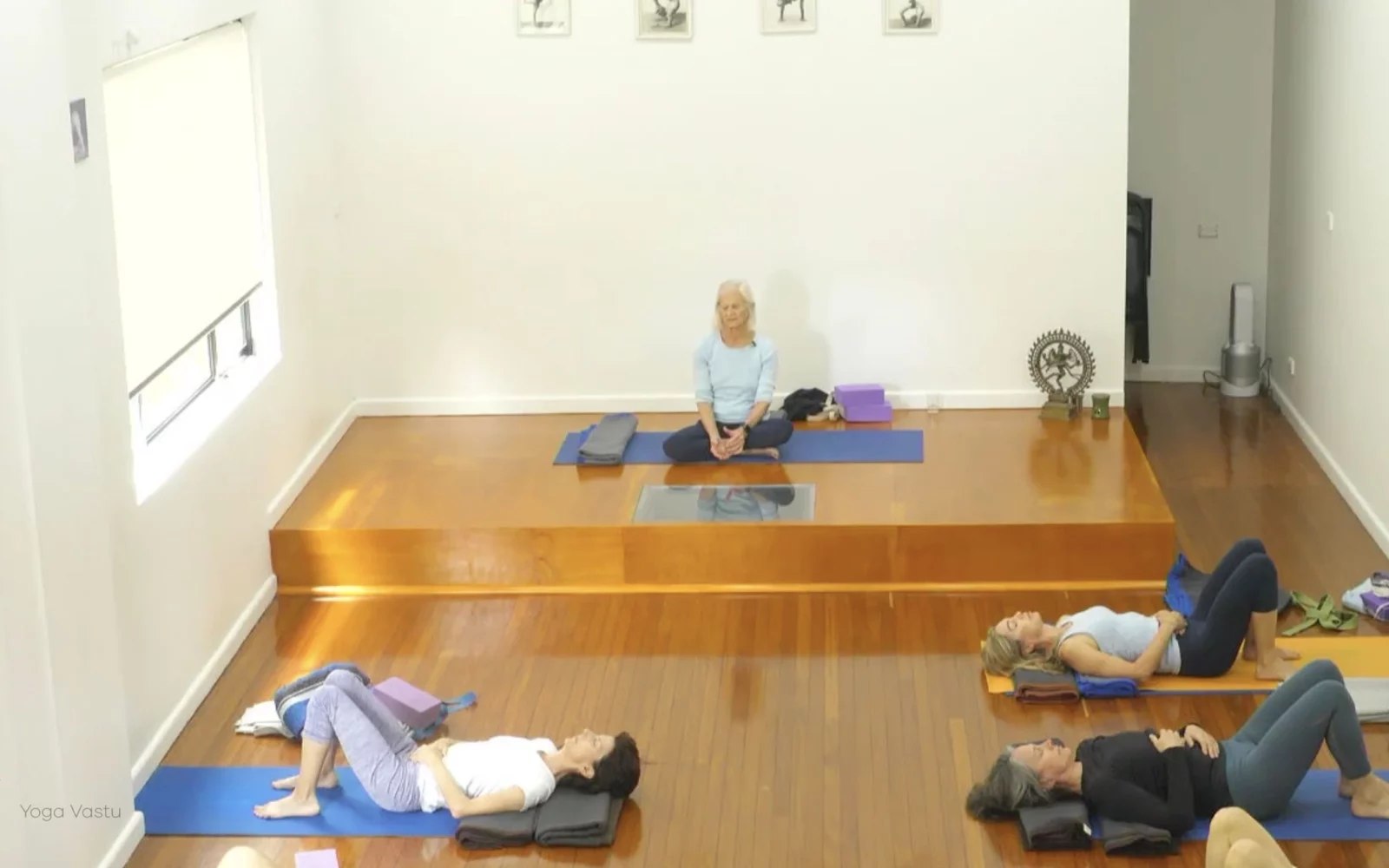
Begin as always in Supta Virasana, this time over a bolster or blocks so as to increase your lung capacity.
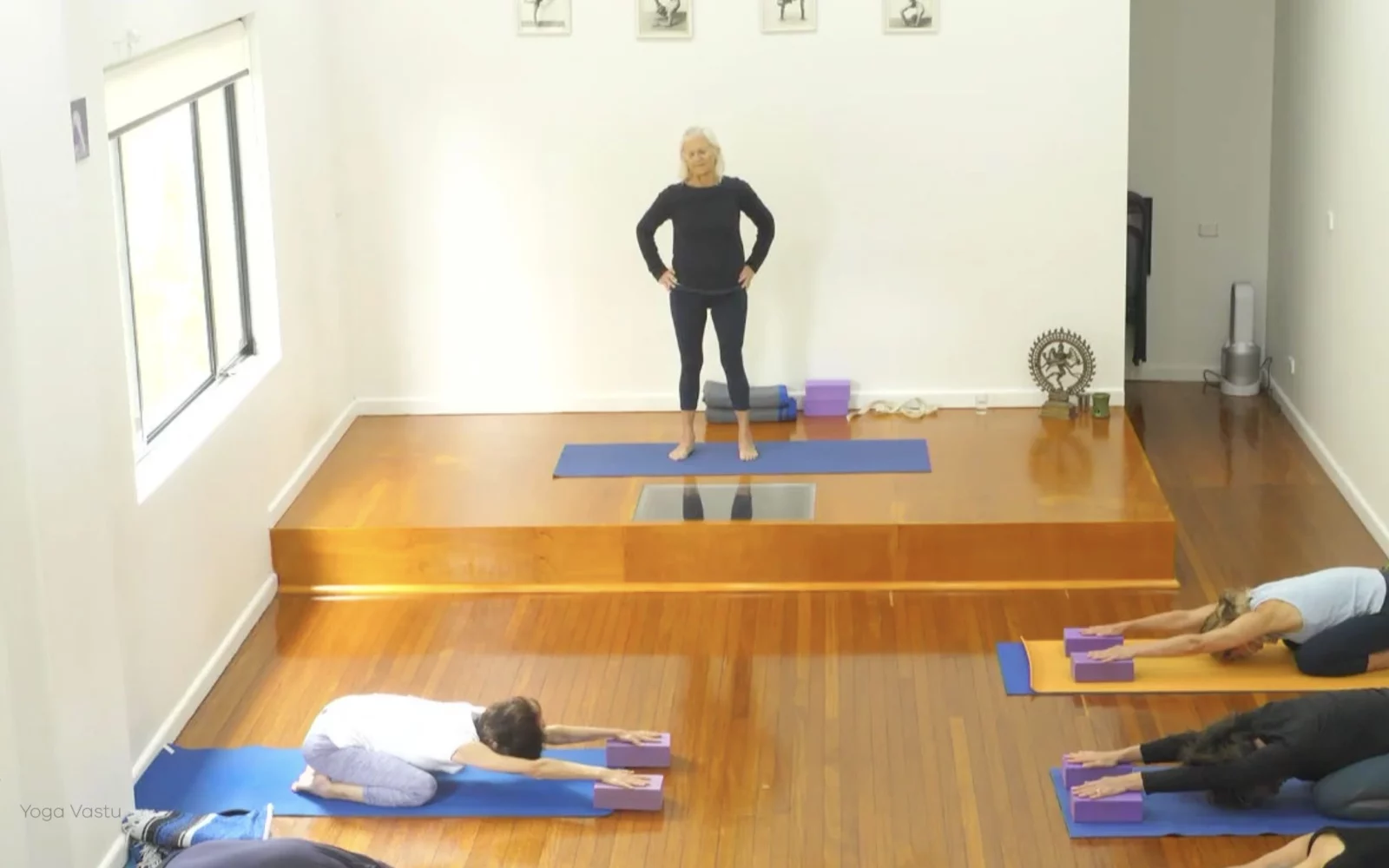
Then, come into Virasana Forward. Even during the warmup section, pay attention to how the body reacts to small changes in actions. This way you essentially set an intention for the rest of the class.
Sit up for the invocation, then, once finished, put all your props aside and leave 2 blocks and a belt for the main part of this session.
Go forward in Uttanasana with your feet apart. Lengthen forwards. Listen to your body: see when you have the green light to move forward. What does this feel like?
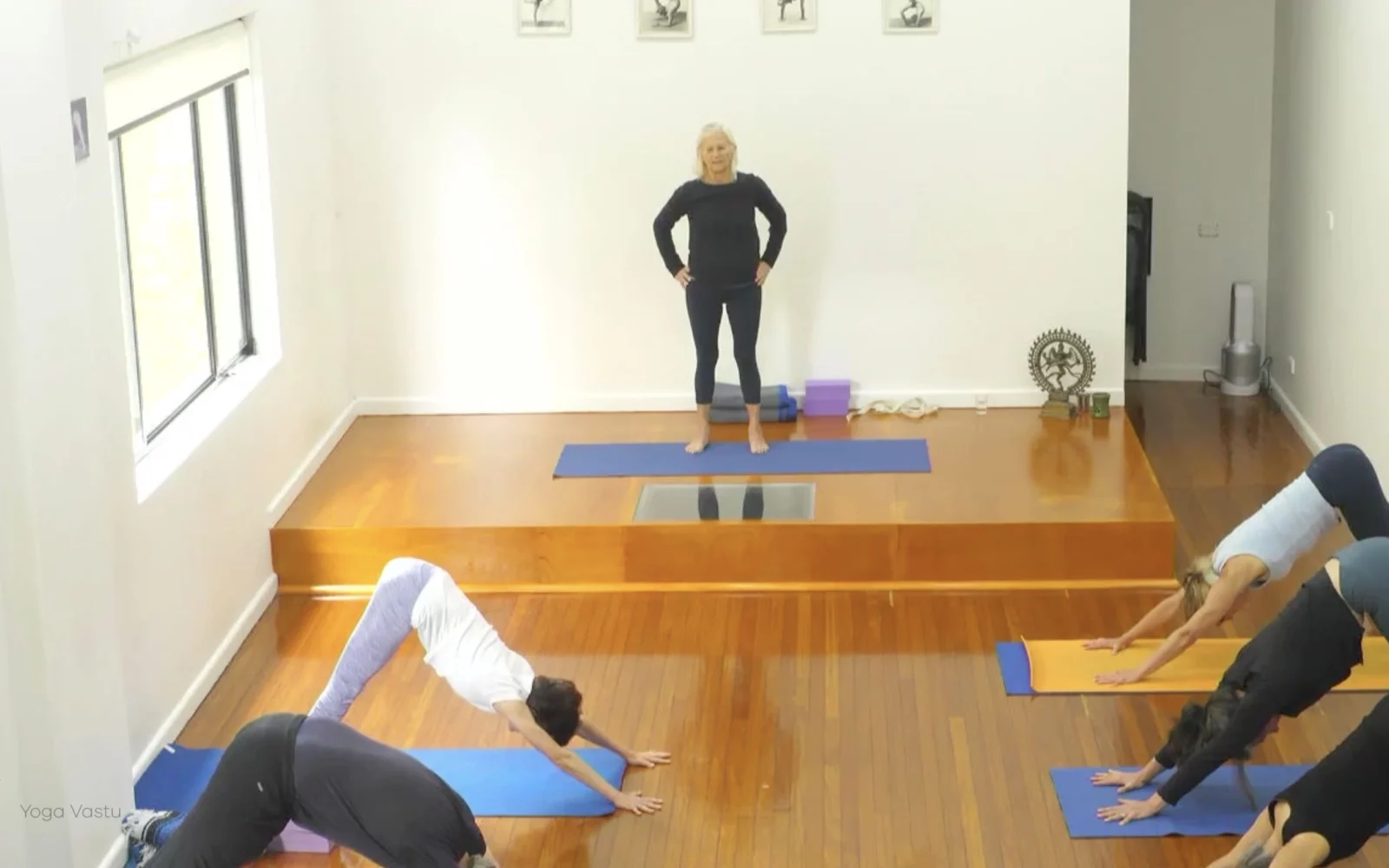
Go through 3 repetitions of the Adho Mukha Svanasana to Virasana Forward transition. Each time, make little changes to the poses. Play around with the pressure you apply, with how high you lift the hips, where in the body you feel the stretch begin. Observe what all these little changes bring.
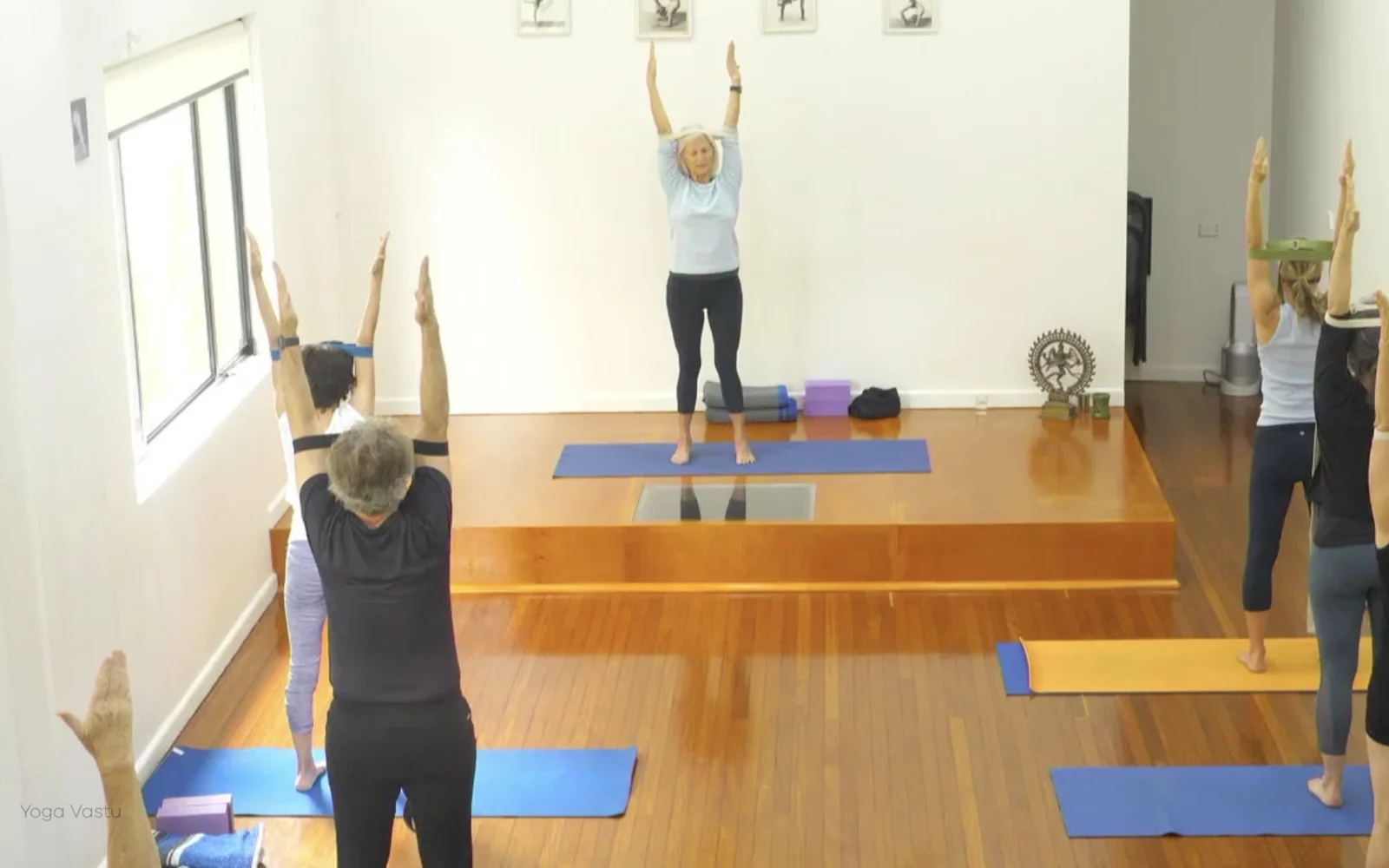
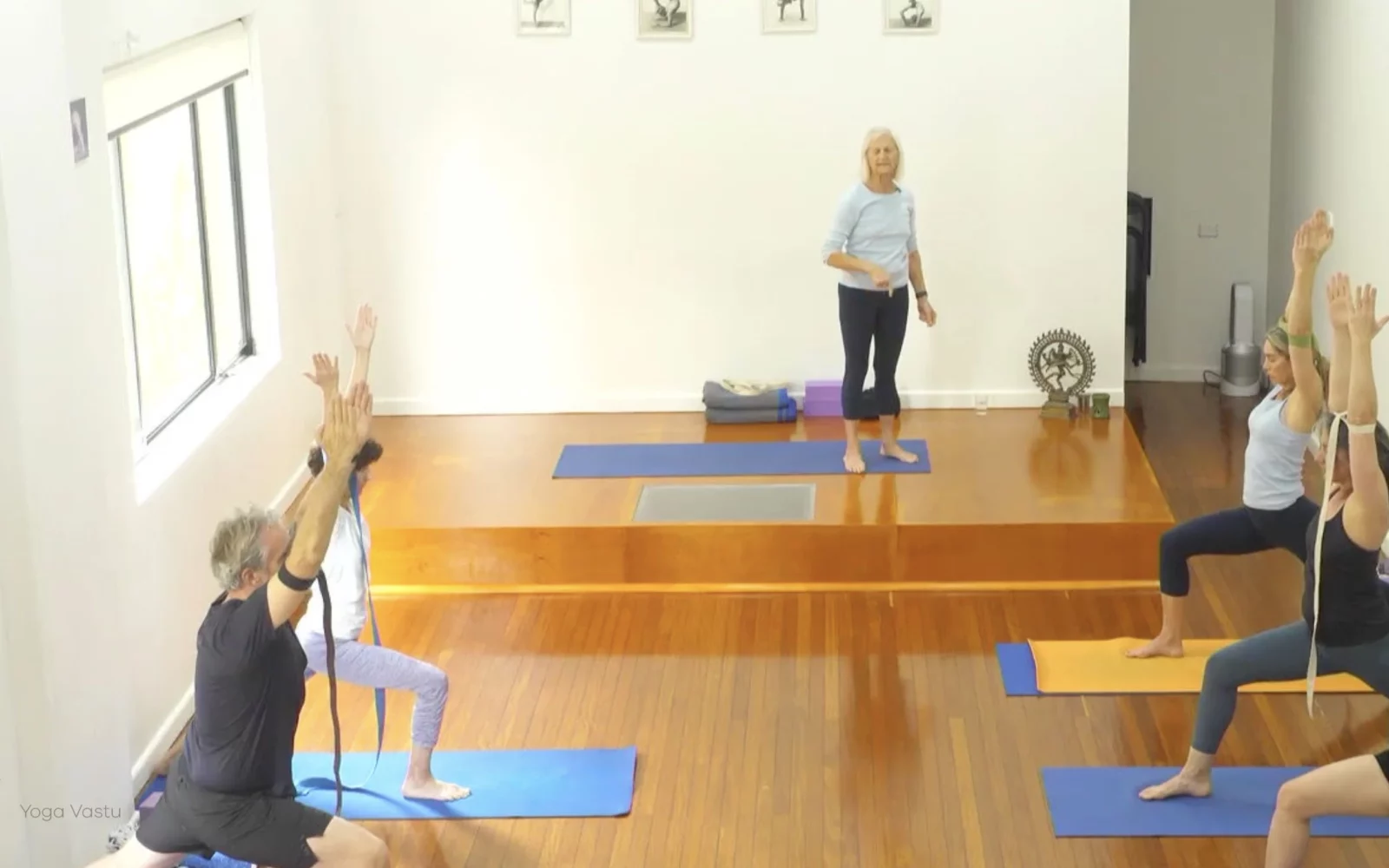
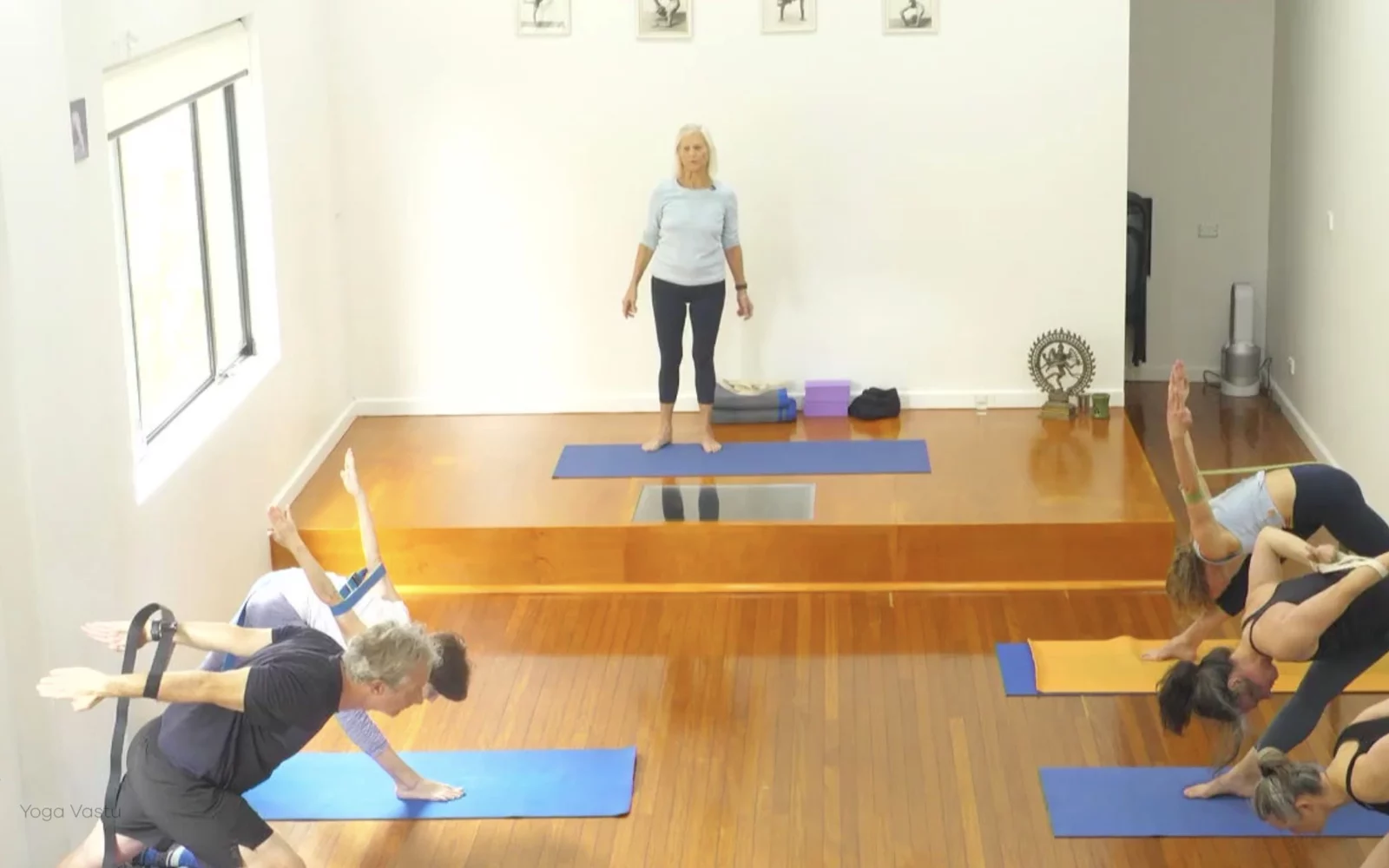
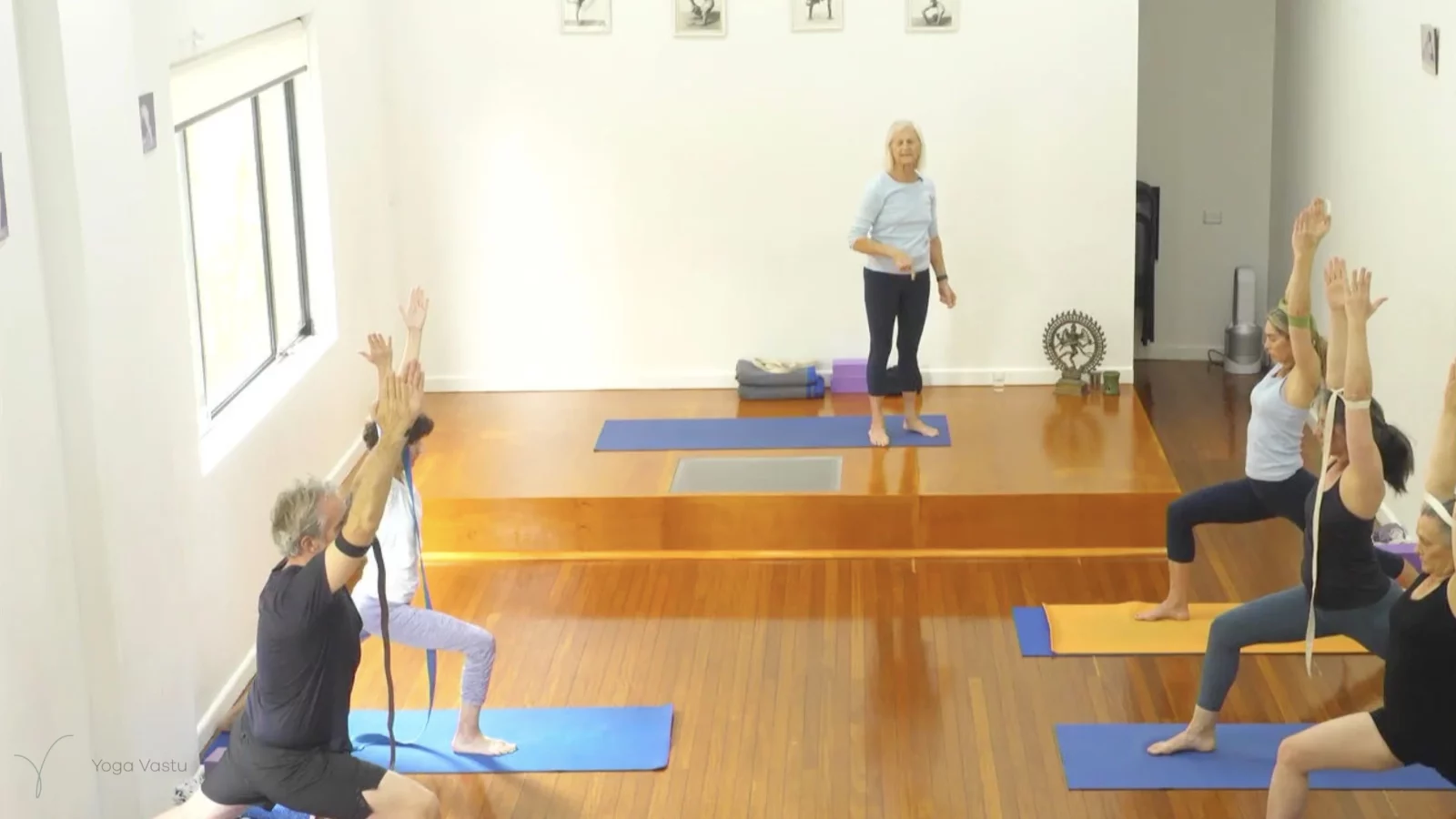
For most of the poses today, we’ll be using a belt around our arms, just above the elbows. Adjust it so that the arms are shoulder-socket-width apart.
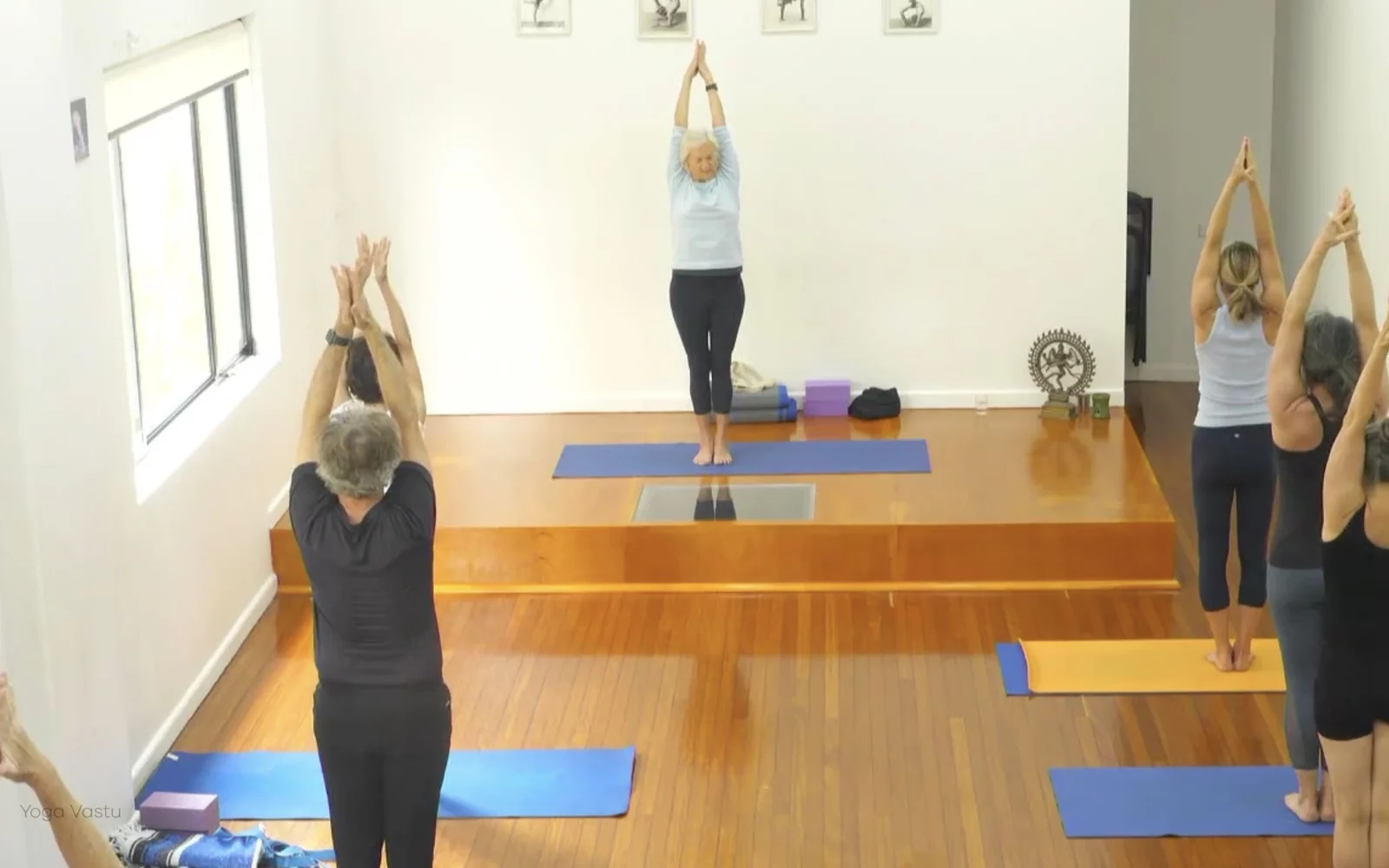
Stand up in Tadasana and lift your arms up in Urdhva Hastasana. Observe what your arms feel like with the belt keeping them in place. It should bring a much more active feel to this arm position. This acts as good Adho Mukha Vrksasana prep.
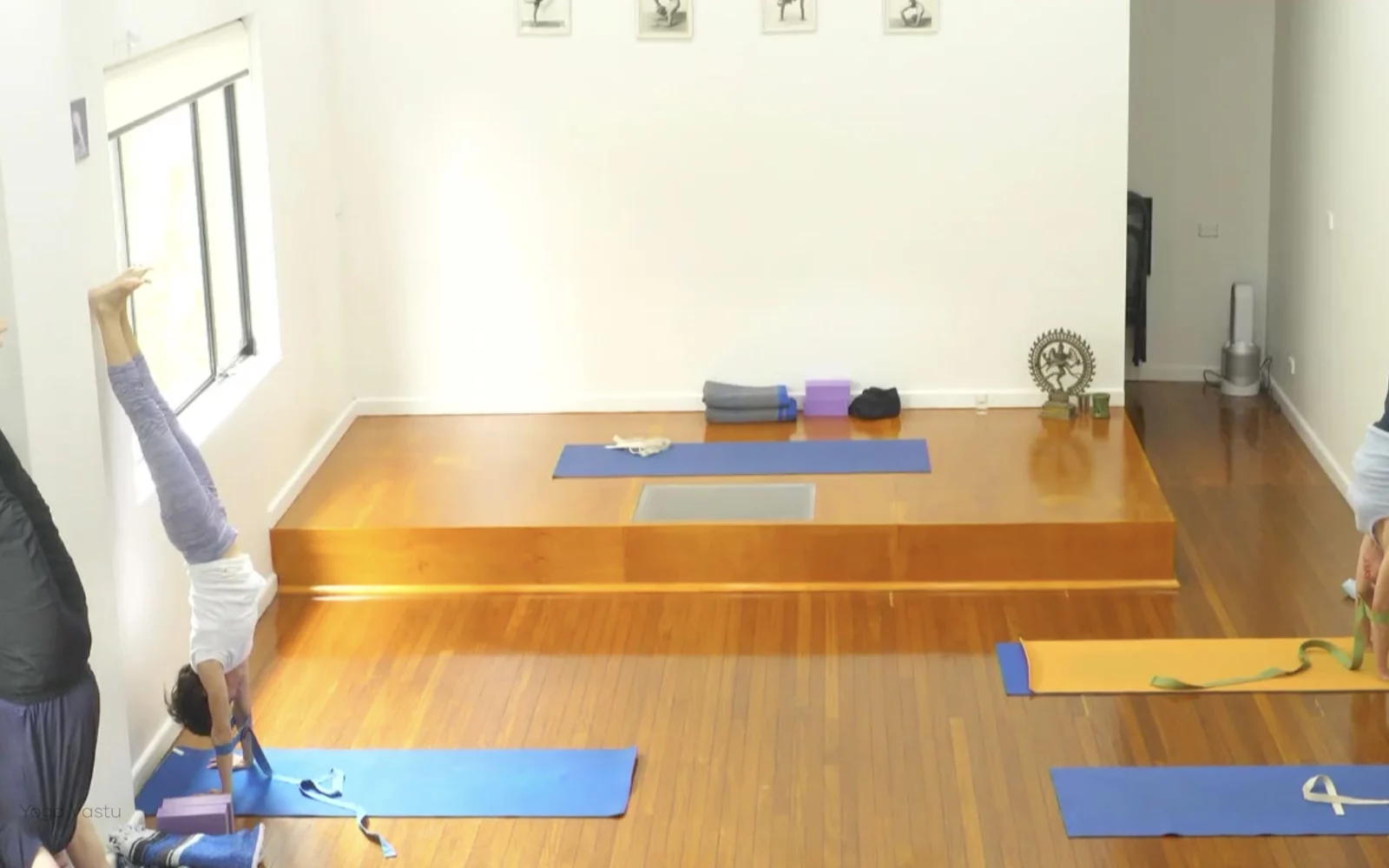
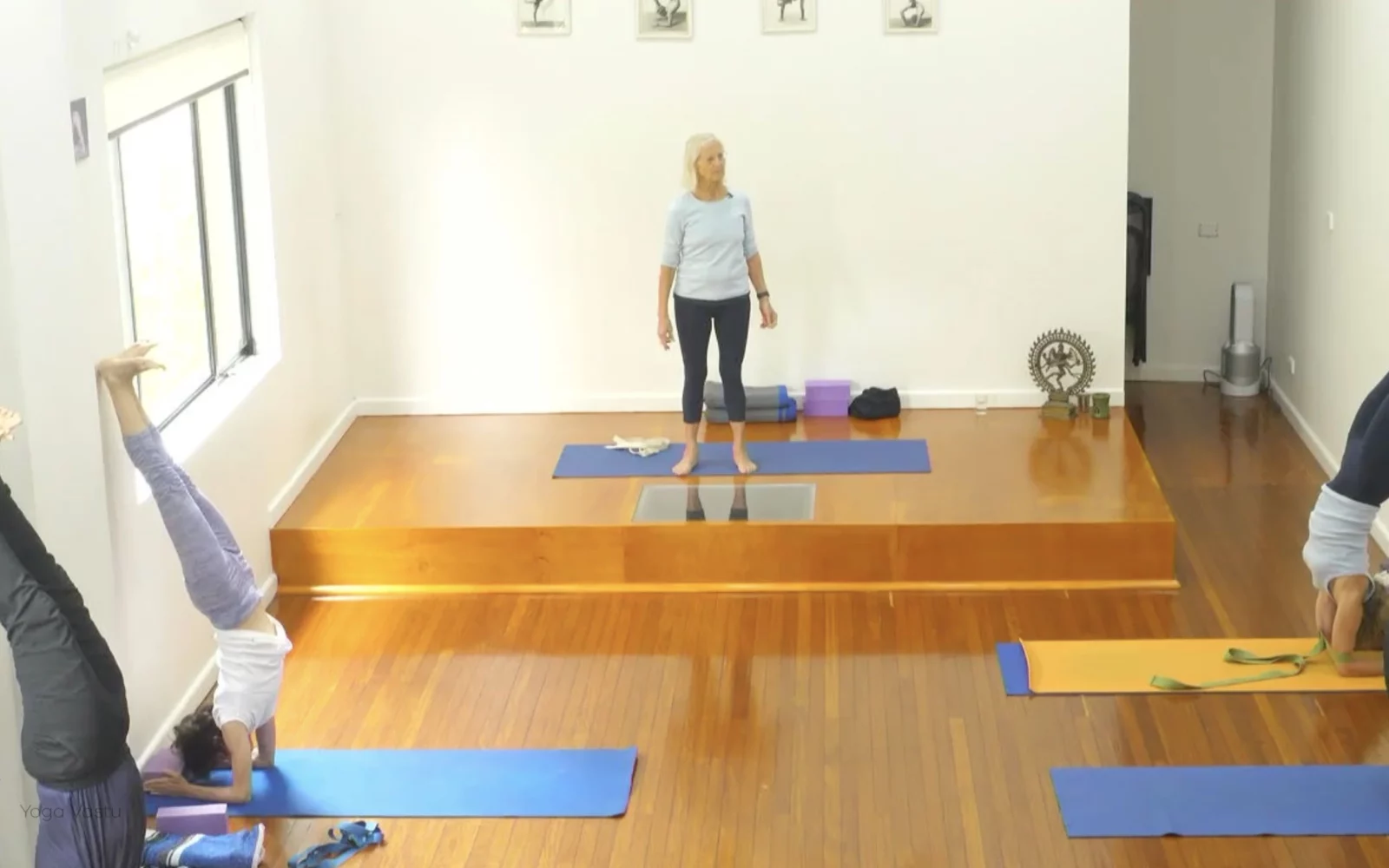
Next, go up in Adho Mukha Vrksasana with the belt, then release in Uttanasana, go back up again, then come down into Virasana Forward. Then, try Pincha Mayurasana, both with and without the belt. How would you describe the difference?
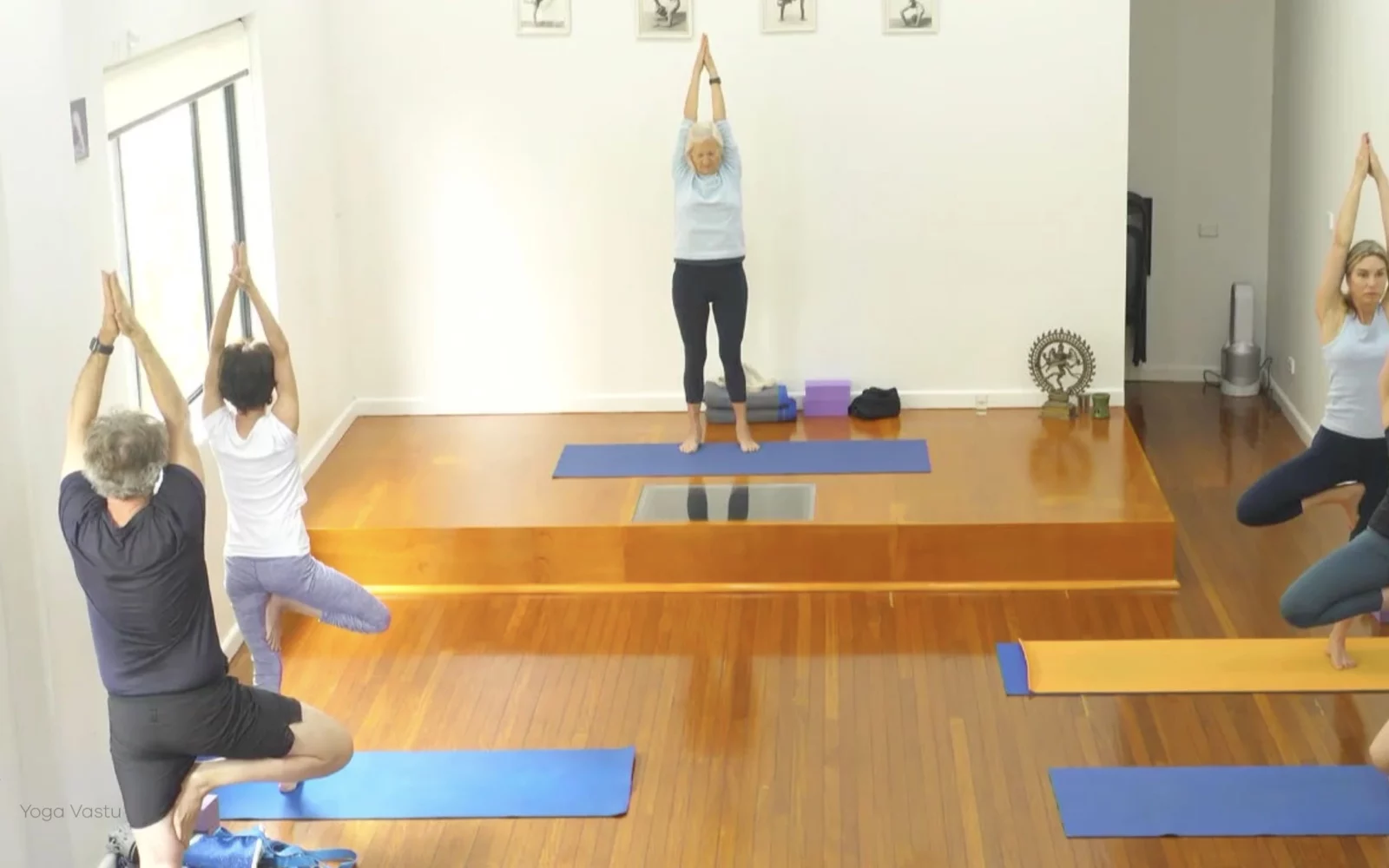
Stand back up in Tadasana, lift your arms up in Urdhva Namaskar. Then, lift your foot up and plant it against the inner thigh: stand in Vrksasana with the arms up in Urdhva Namaskar.
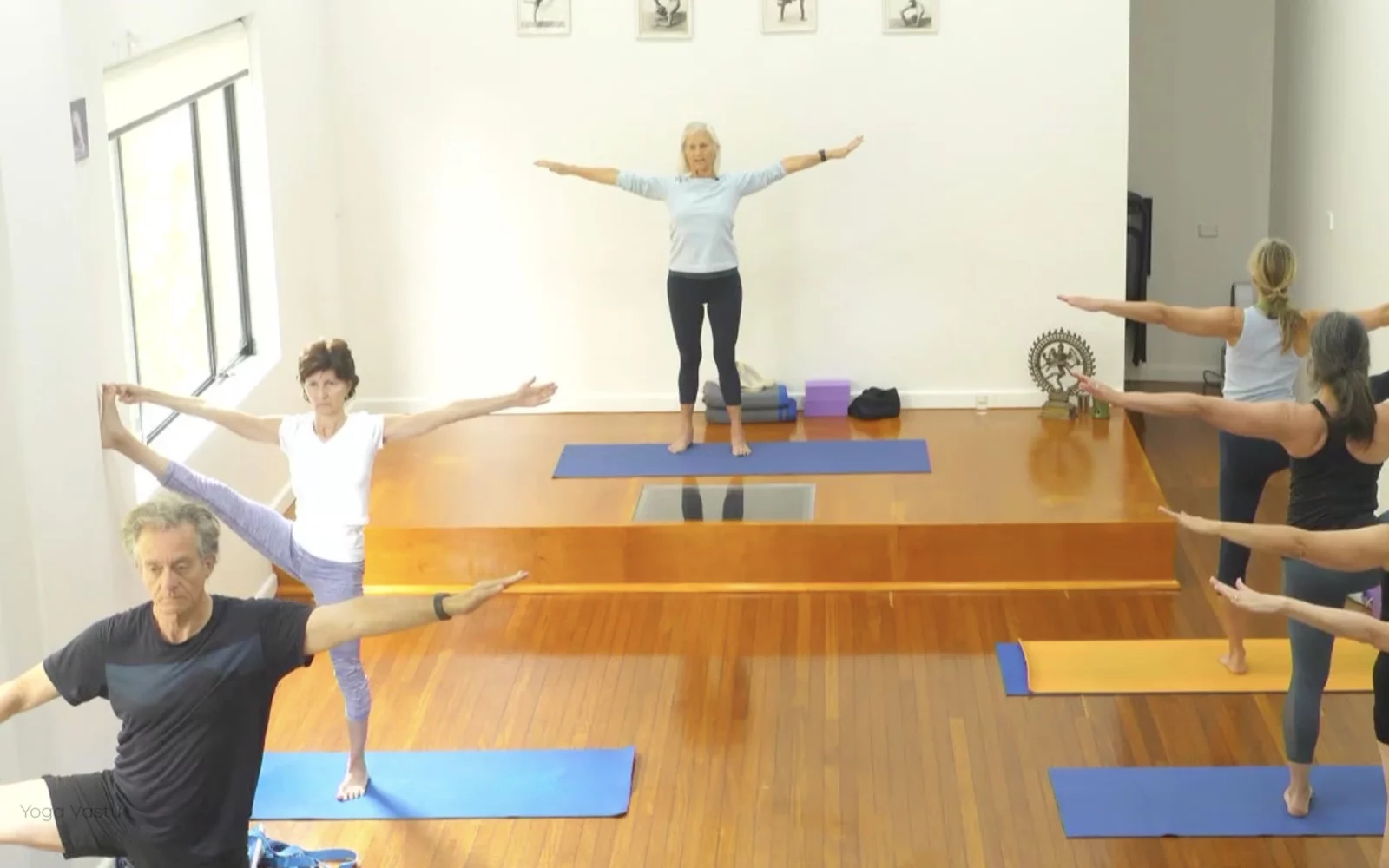
Go over to the wall and go into Utthita Hasta Padangusthasana 2 with the foot to the wall and your arms spread out in opposite directions.
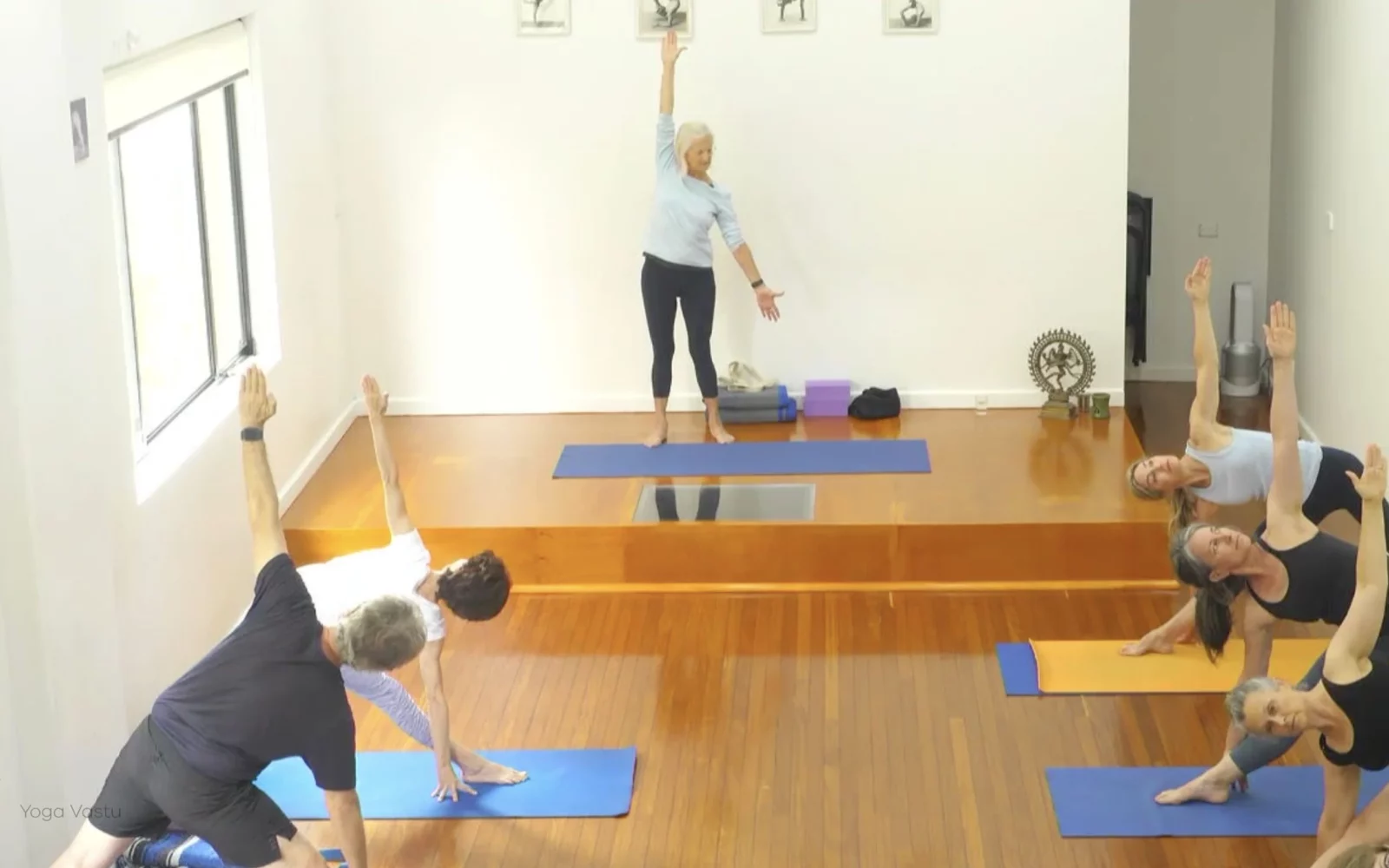
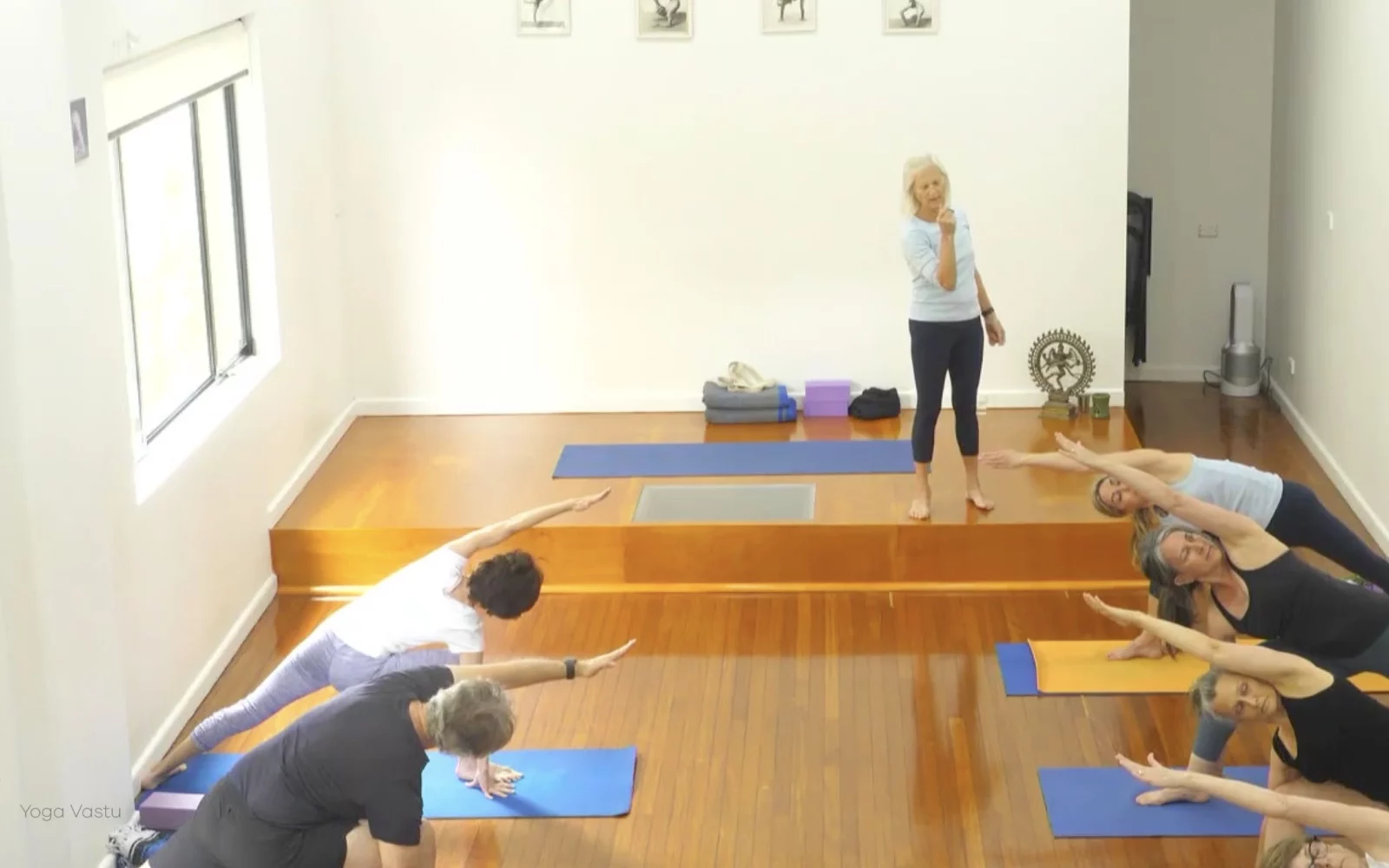
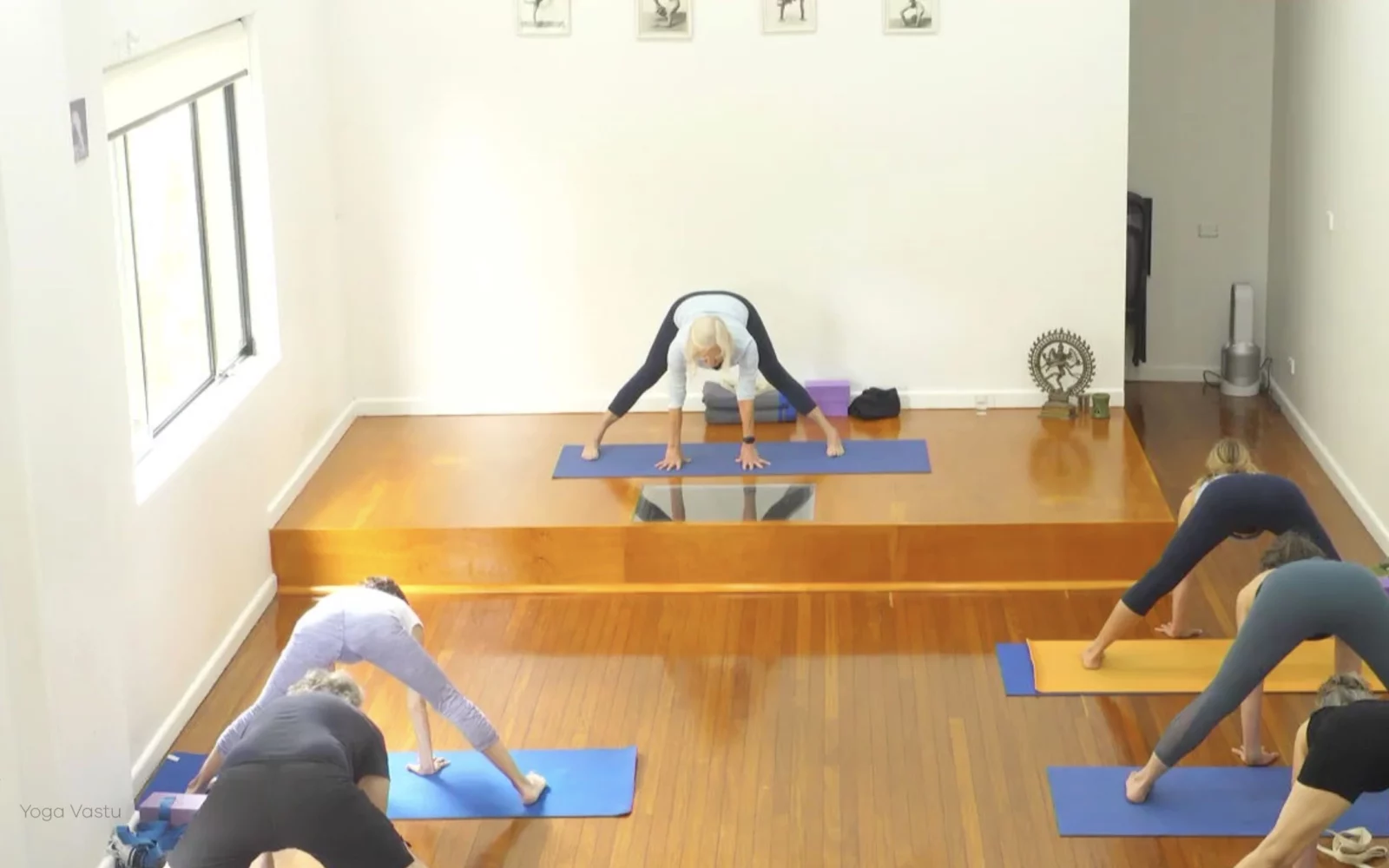
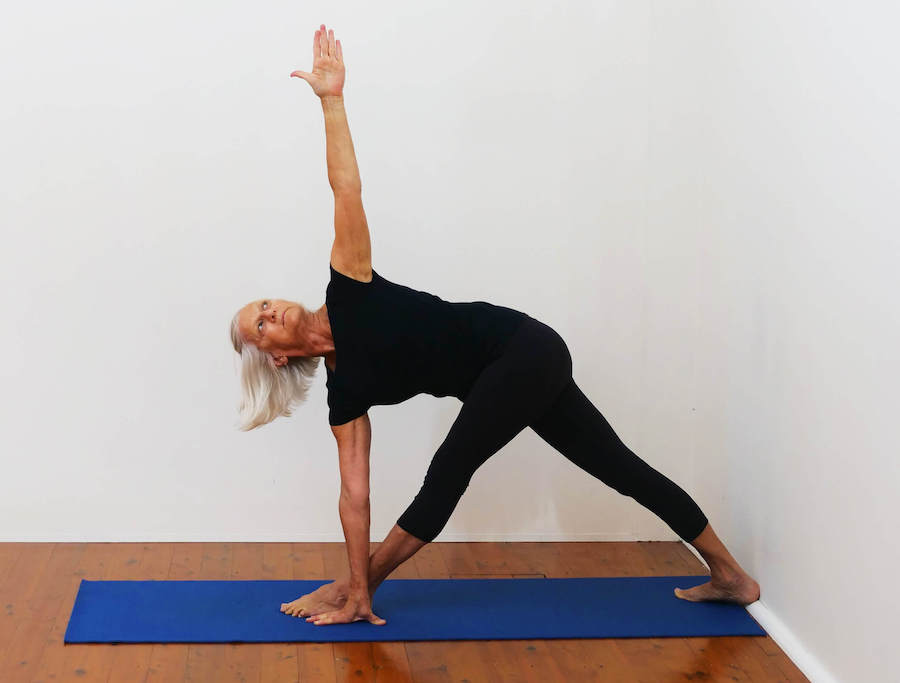
Then comes the rest of the standing pose sequence: Utthita Trikonasana, Utthita Parsvakonasana, Virabhadrasana 1, and Parsvottanasana bringing the arms over your head. Then, release and fold forward in Prasarita Padottanasana. Here, experiment with the placement of your fingers and hands: pointed forwards, pointed backwards, pointed to the side, etc.
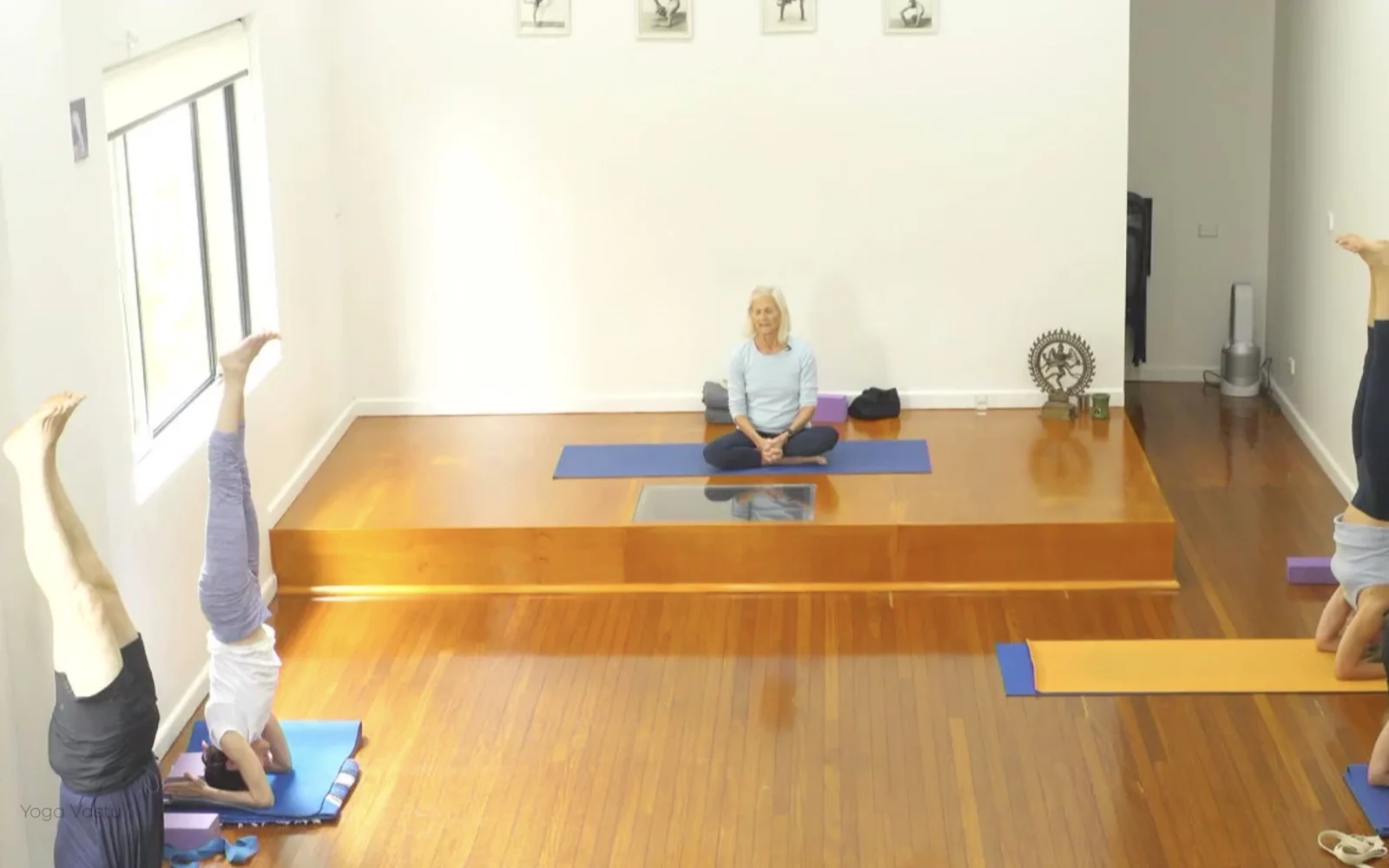
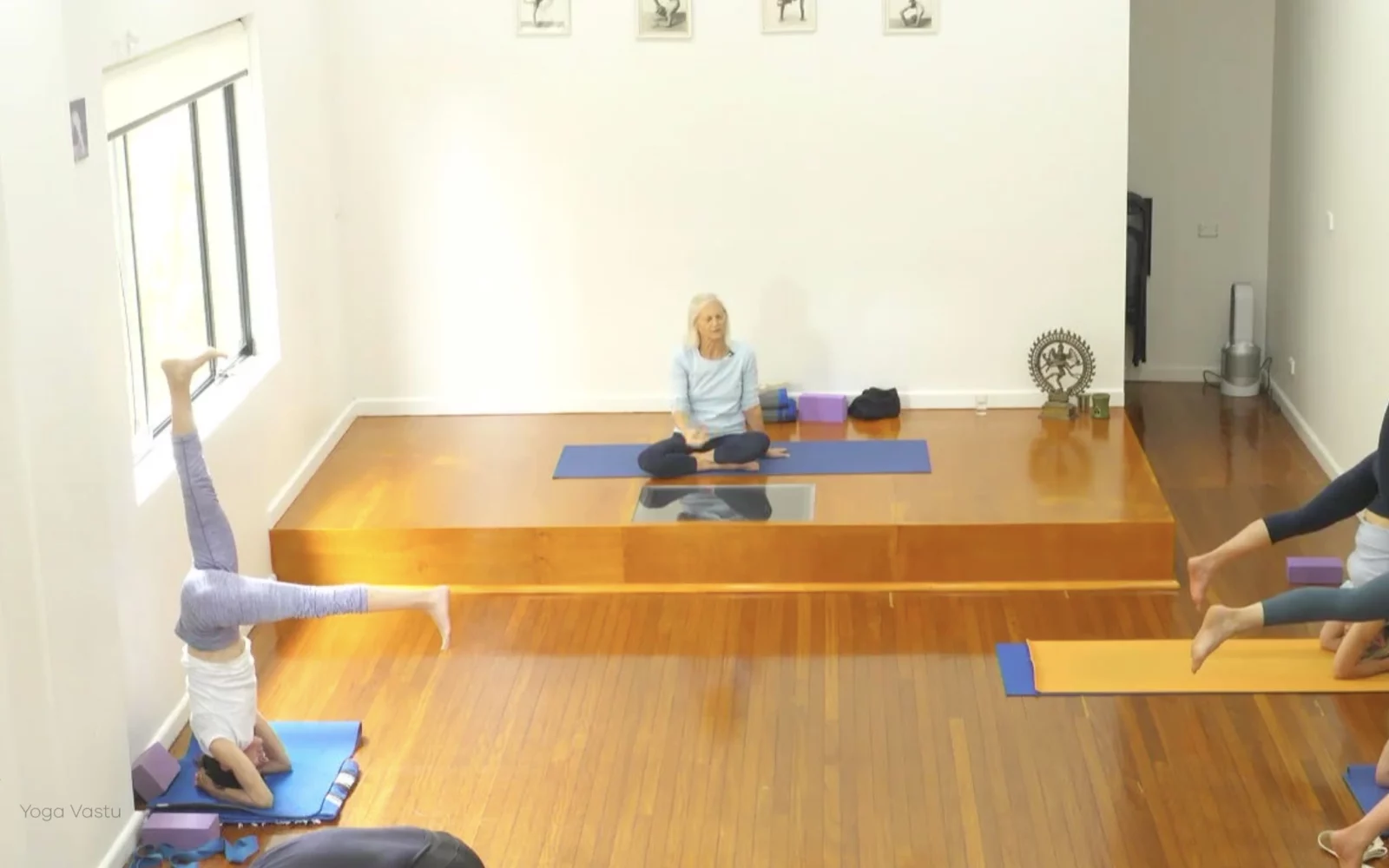
Go up into Sirsasana with the hands on either side of a block. See what that does to the integrity of the pose. Does it make it easier to focus on other parts of the body if you know exactly where your hands are? Then, lower your leg down into Eka Pada Sirsasana, after which take your legs into Baddha Konasana in Sirsasana. Release in Virasana Forward.
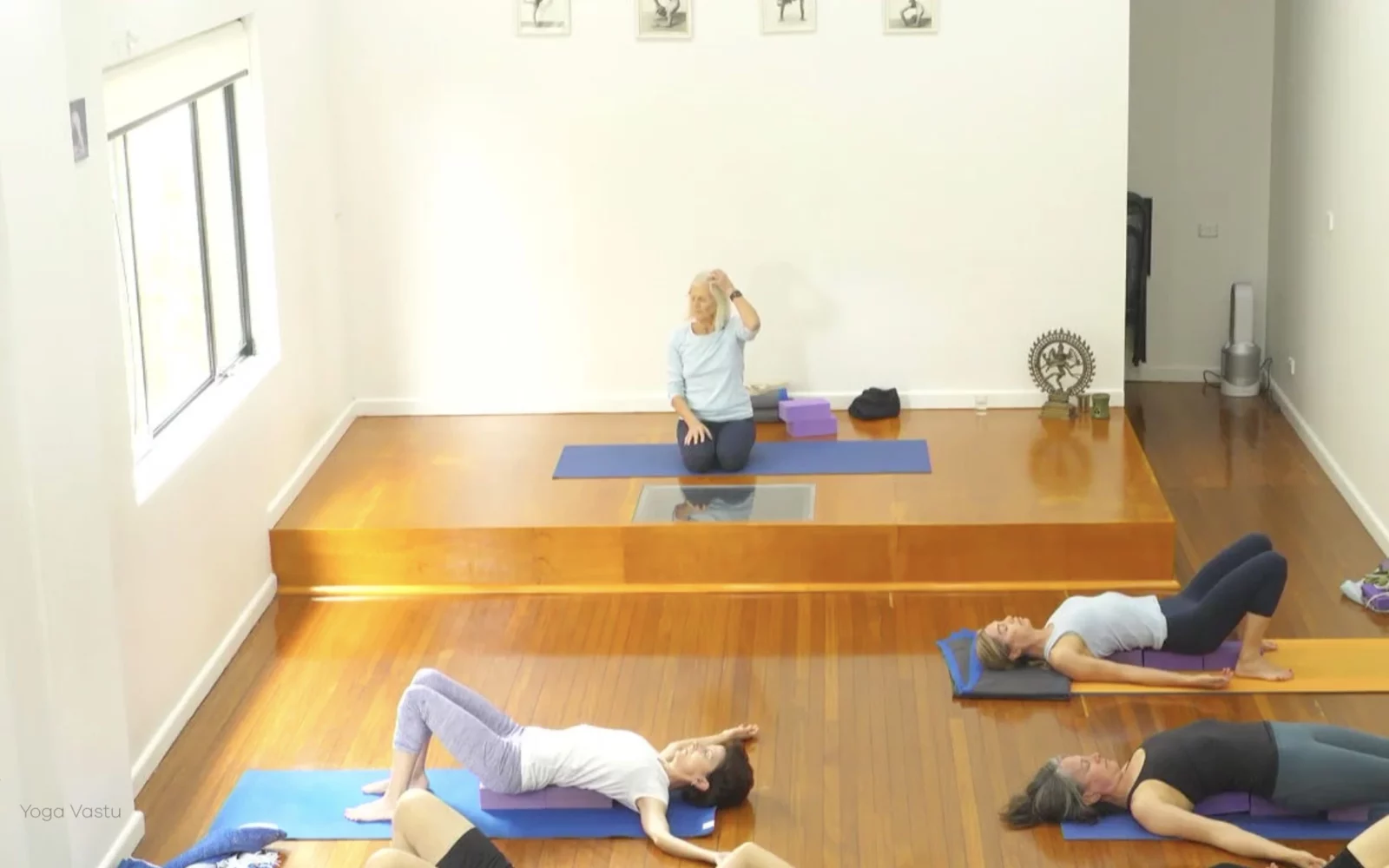
Decompress your spine and open up your chest by lying over some blocks.
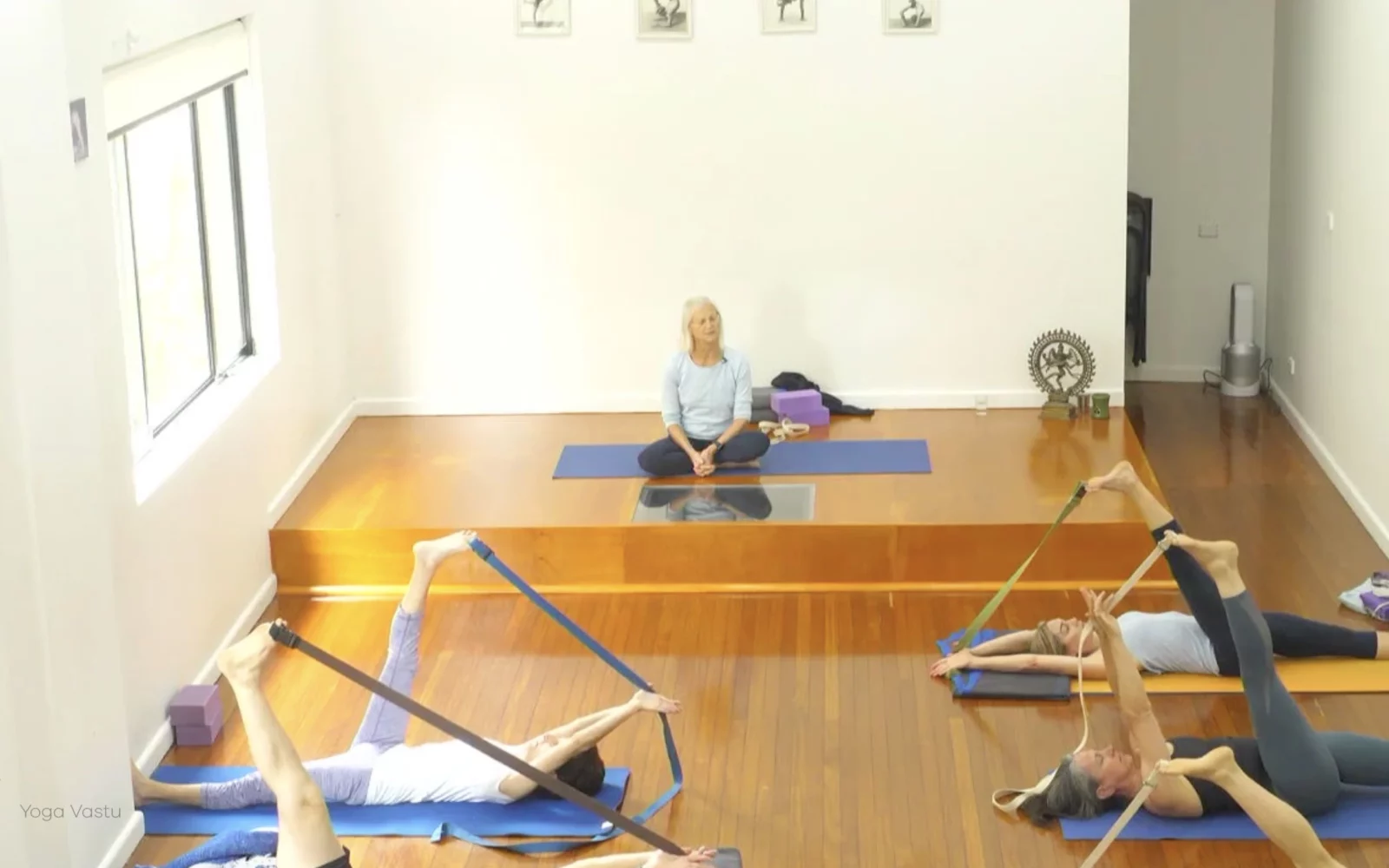
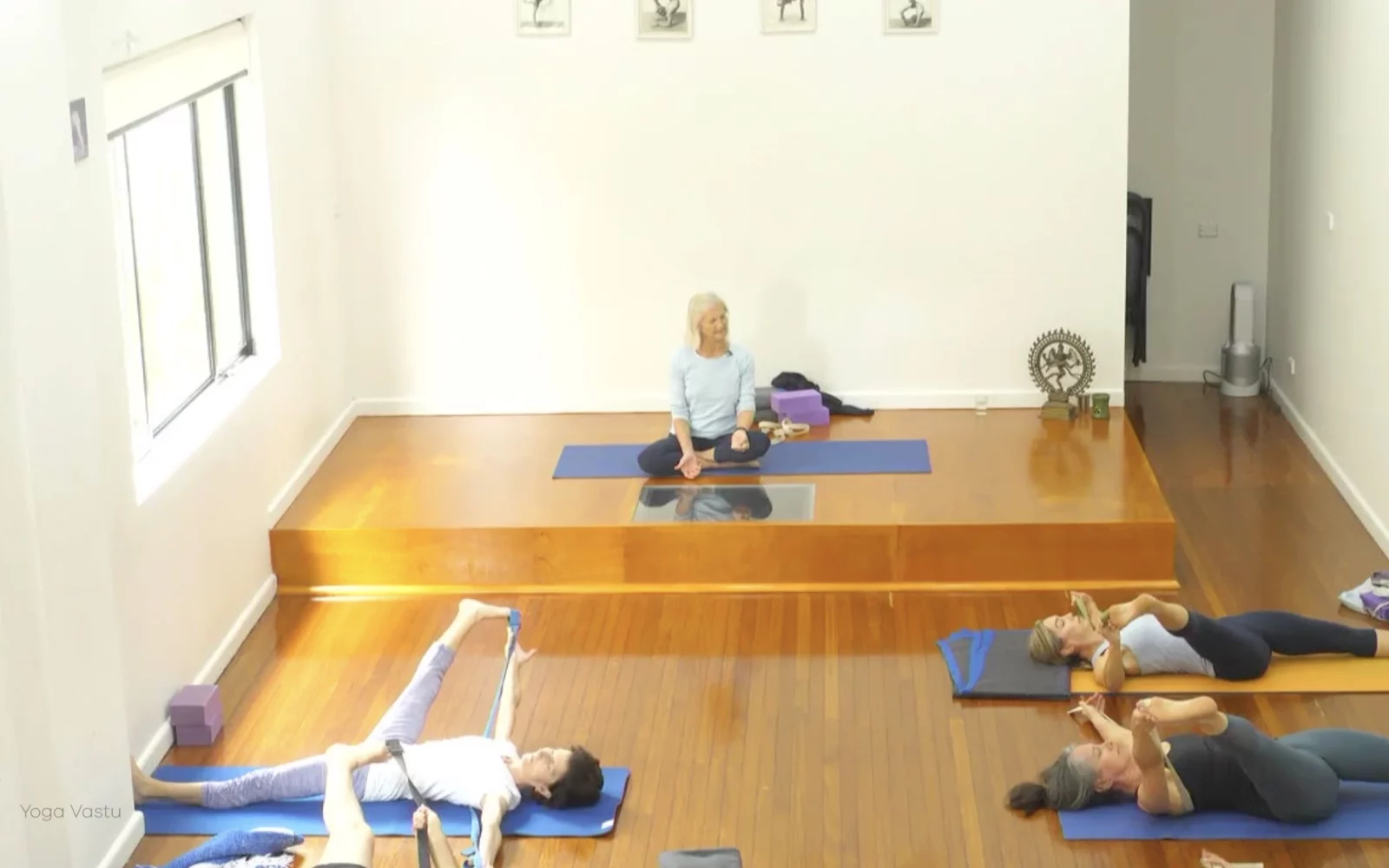
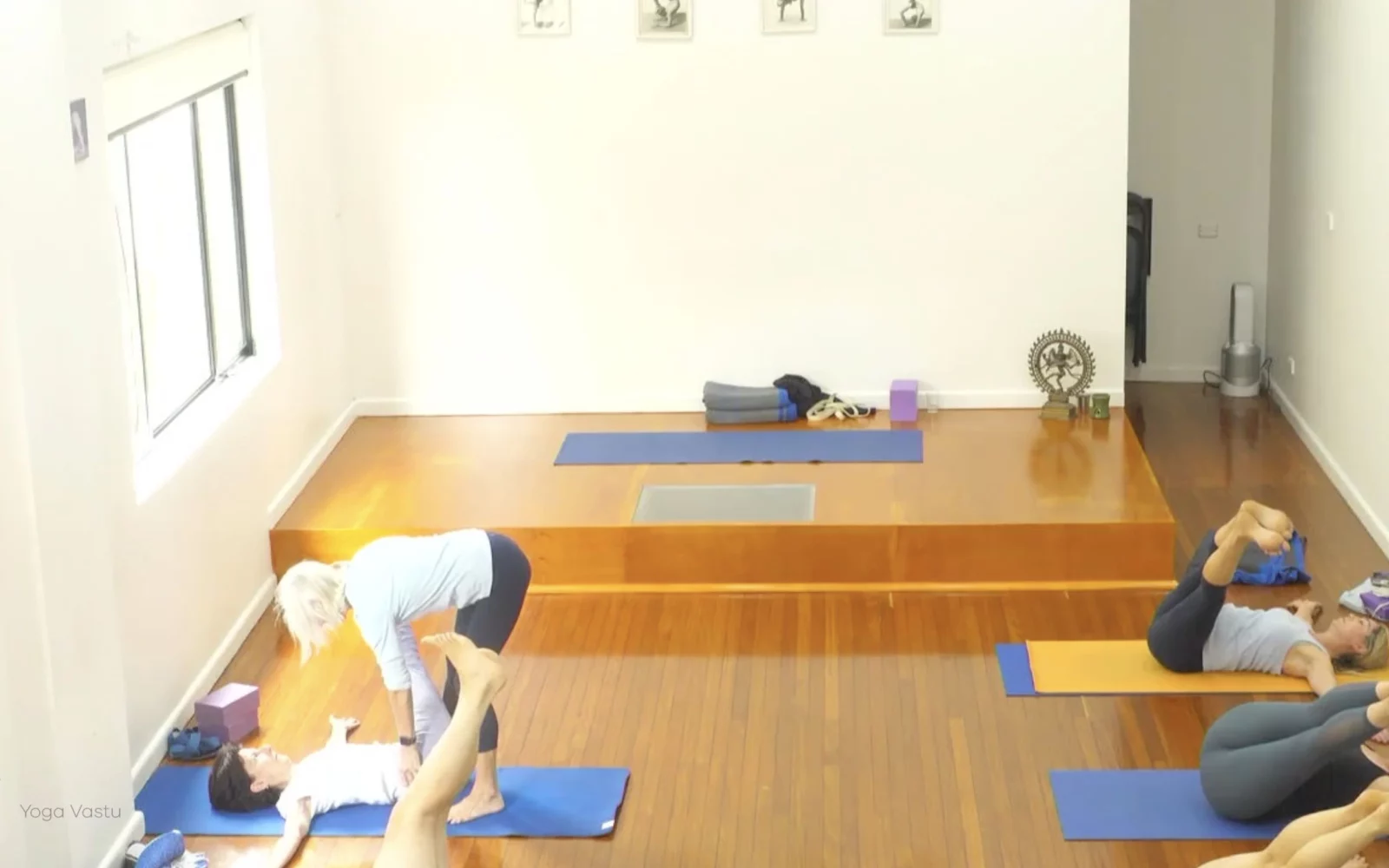
Then, put the blocks away and come into Supta Padangusthasana 1 with the belt looped over the toe. Watch the reaction of the supine leg the closer you bring your lifted leg towards you. Does it try to lift as well? In which points is the contact first to go? After observing this for a few breaths, bring your leg out to the side for Supta Padangusthasana 2.
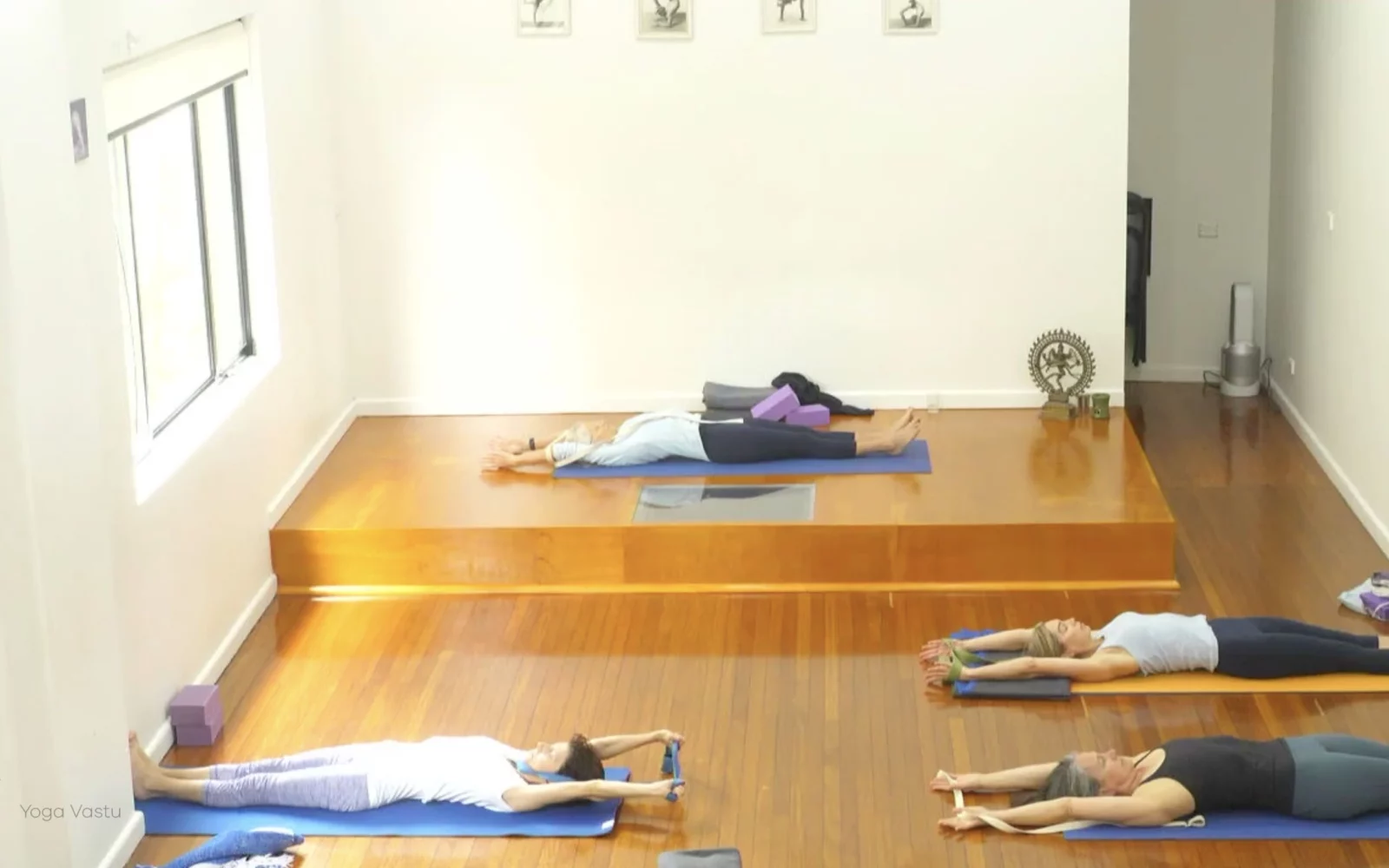
Now lie down and loop your belt around your arms at the elbows again. Practice lifting the arms over your head and back up and over to your sides again. This is a dynamic exercise to help you identify the areas you might hold on to extra tension in your upper back, neck, and shoulders.
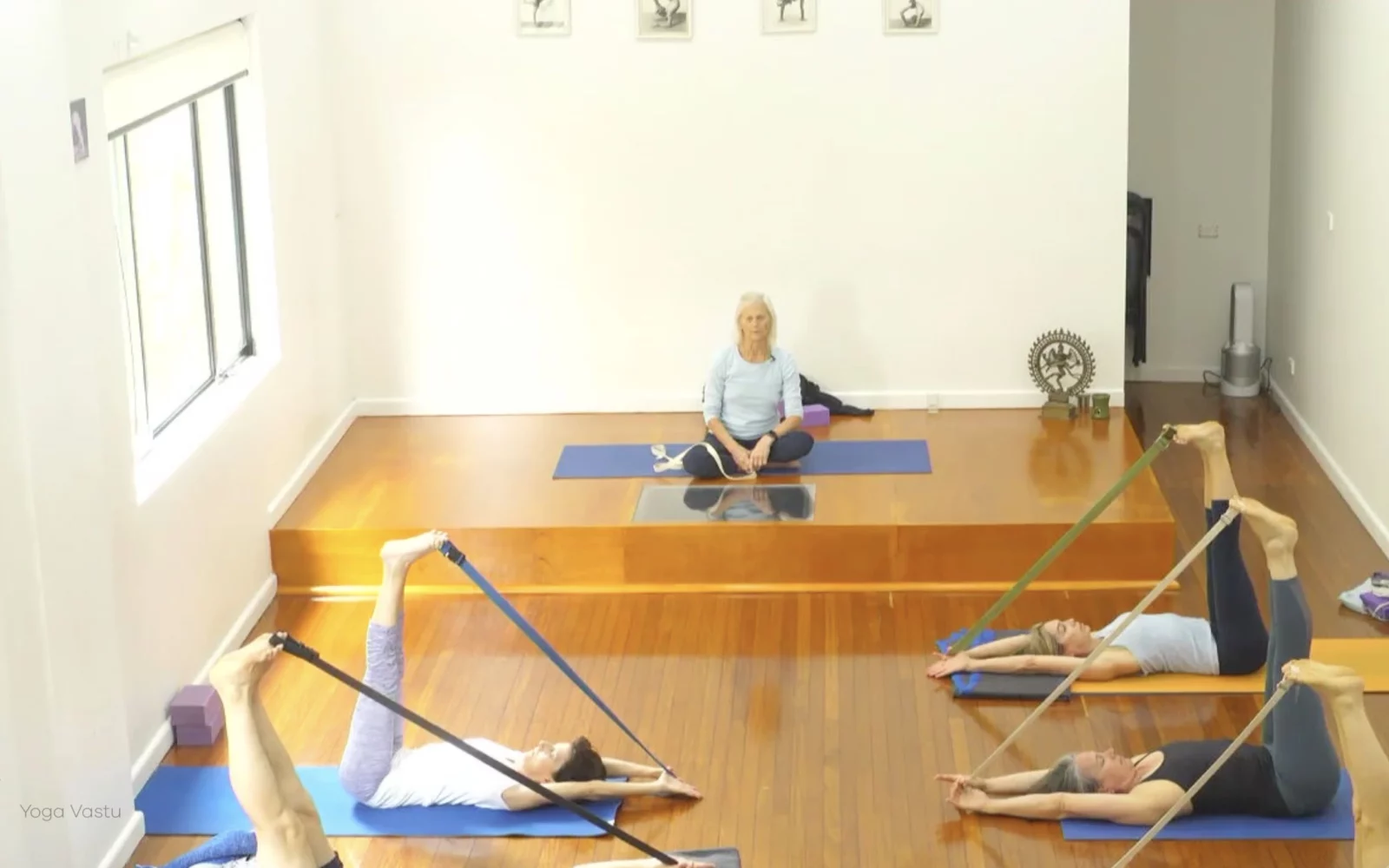
Lift your legs up in Urdhva Prasarita Padasana. Loop your belt over your toes, same as in Supta Padangusthasana 1 a little earlier in the session.
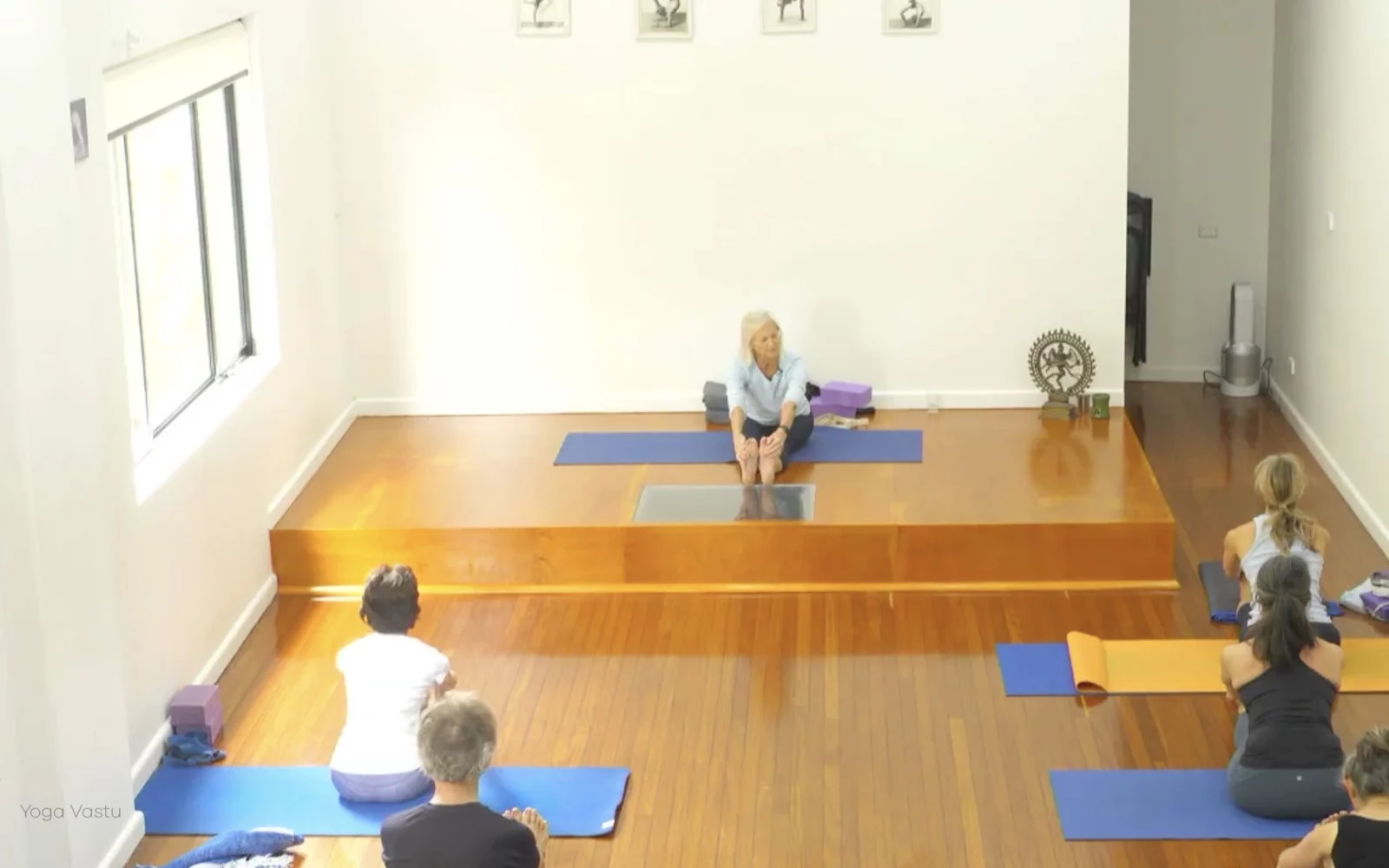
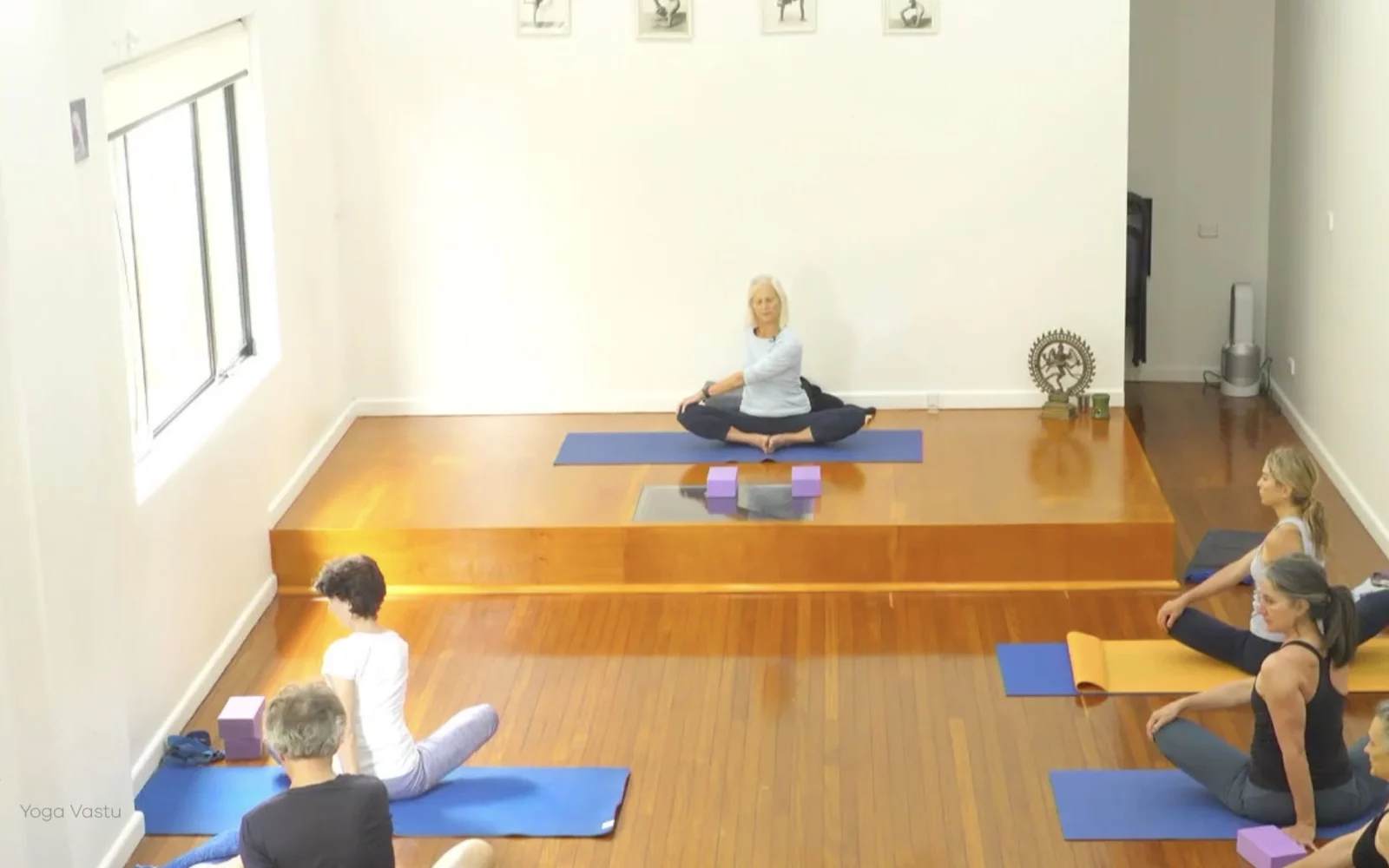
Sit up now and fold forward in Paschimottanasana. Try it with and without blocks. Then, sit back up, your feet in Baddha Konasana and twist to the side. Now, lie back in Urdhva Prasarita Padasana but this time swing the legs to the right, then to the left. Stay anchored in your core. This is a good exercise for developing your abdominal strength but also for testing your ability to anchor your attention in a specific area so as to prevent that area from slipping.
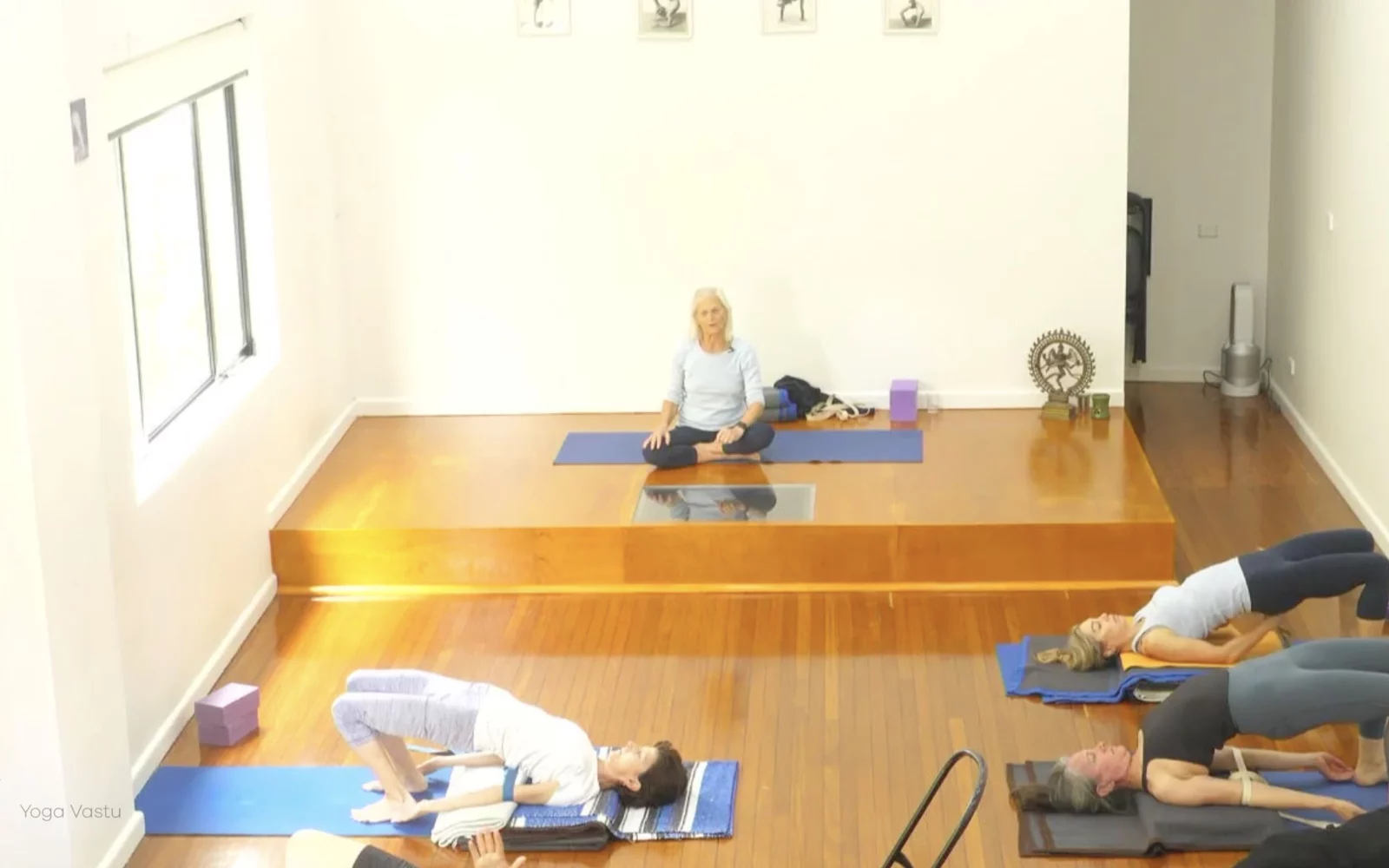
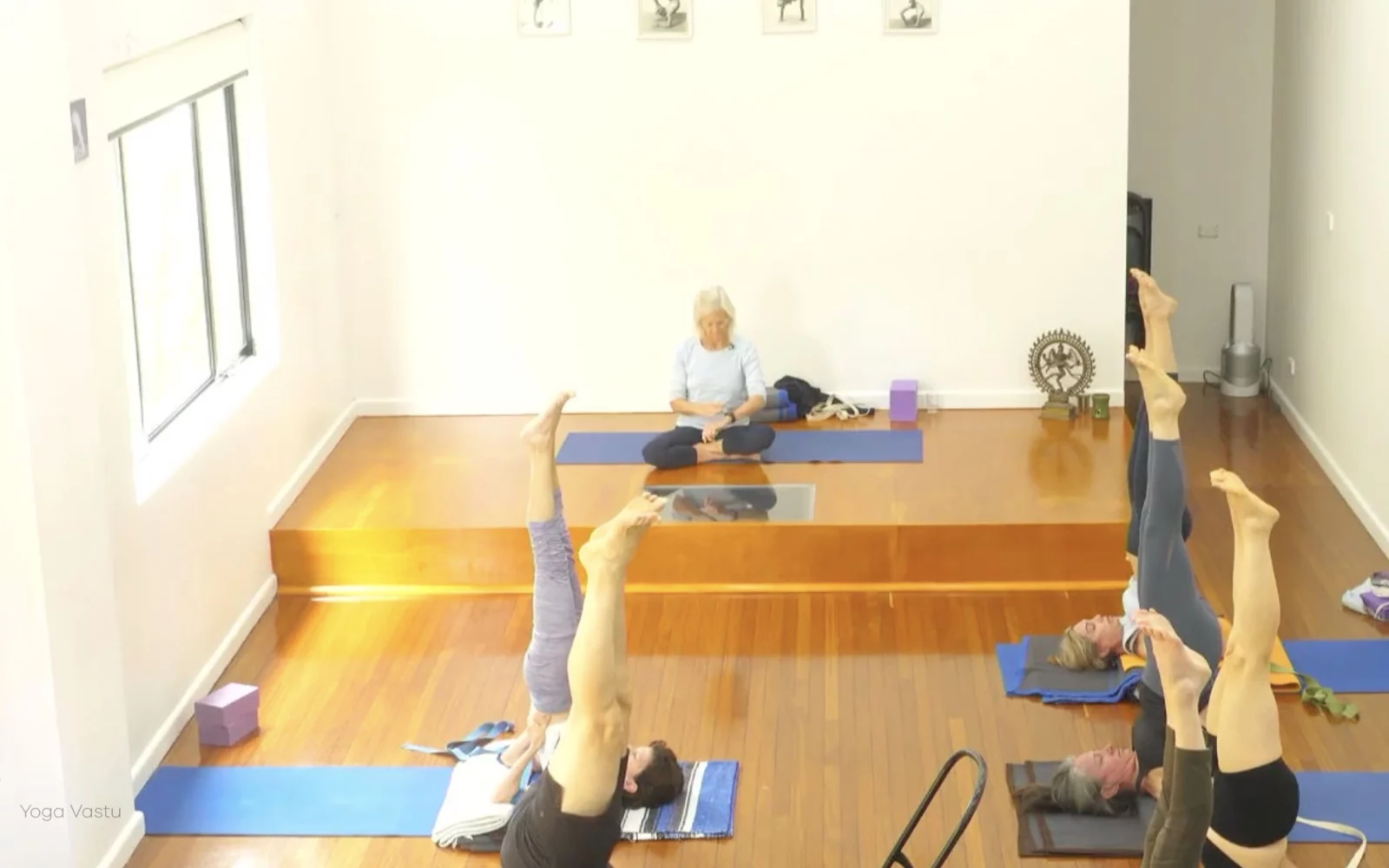
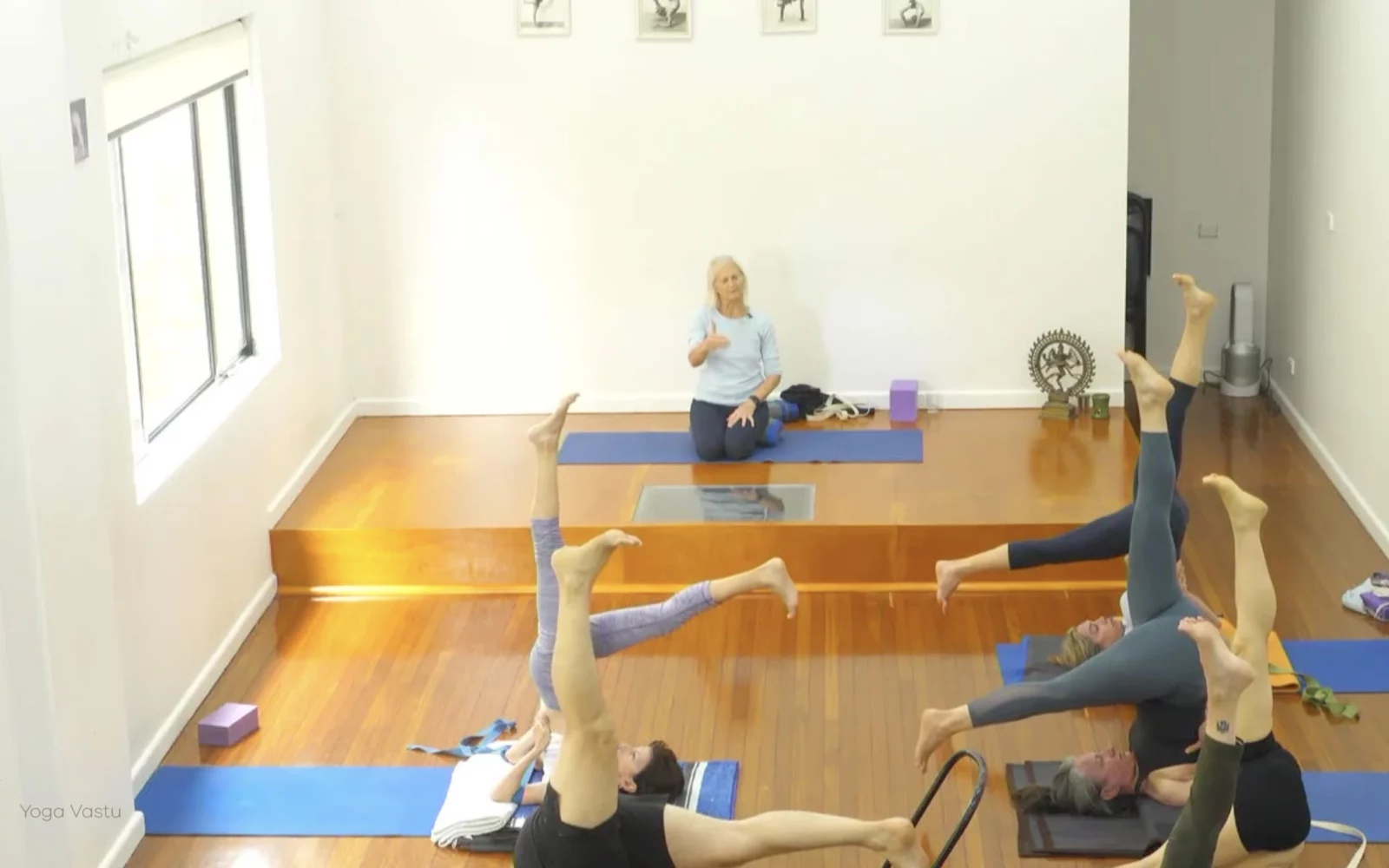
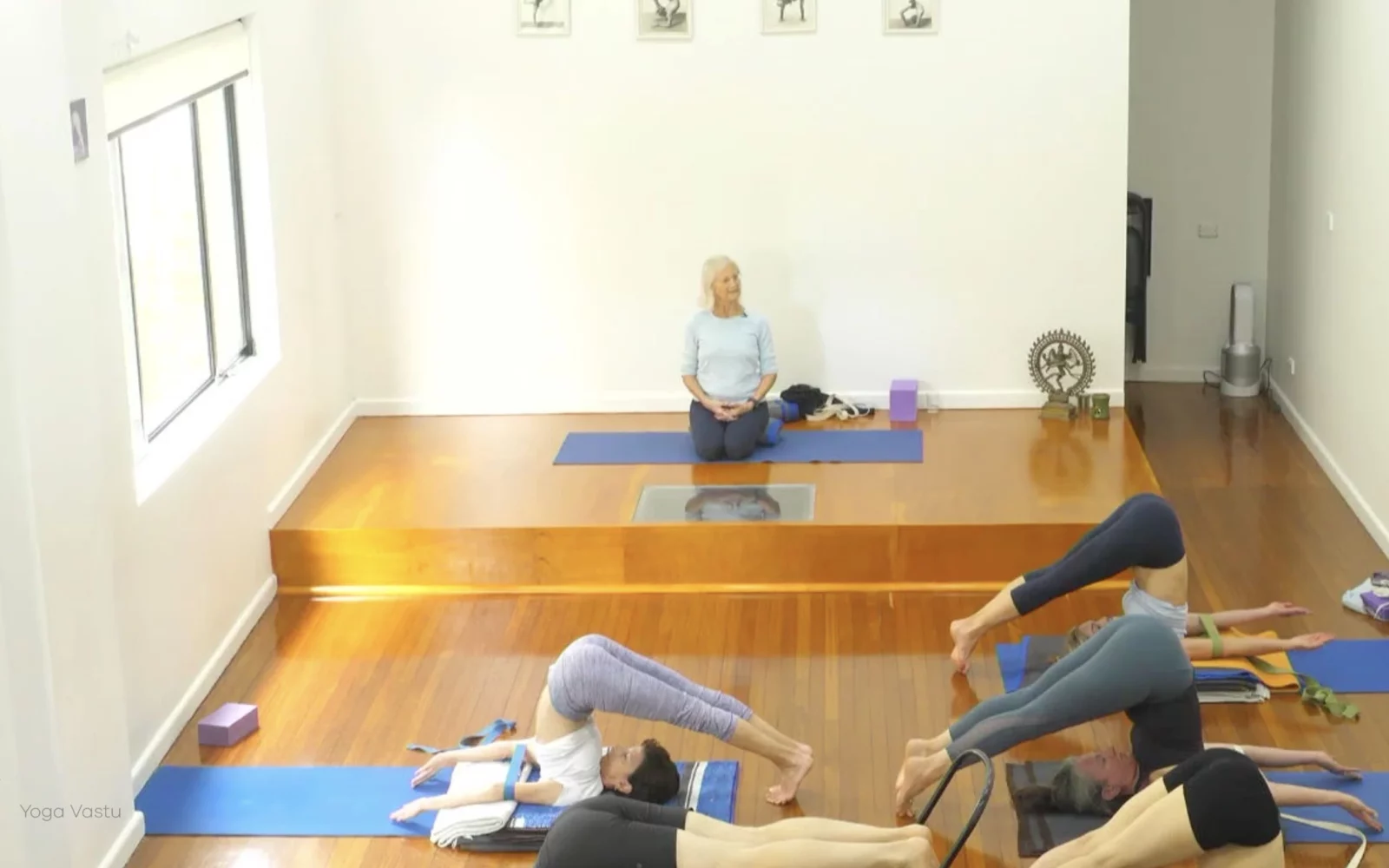
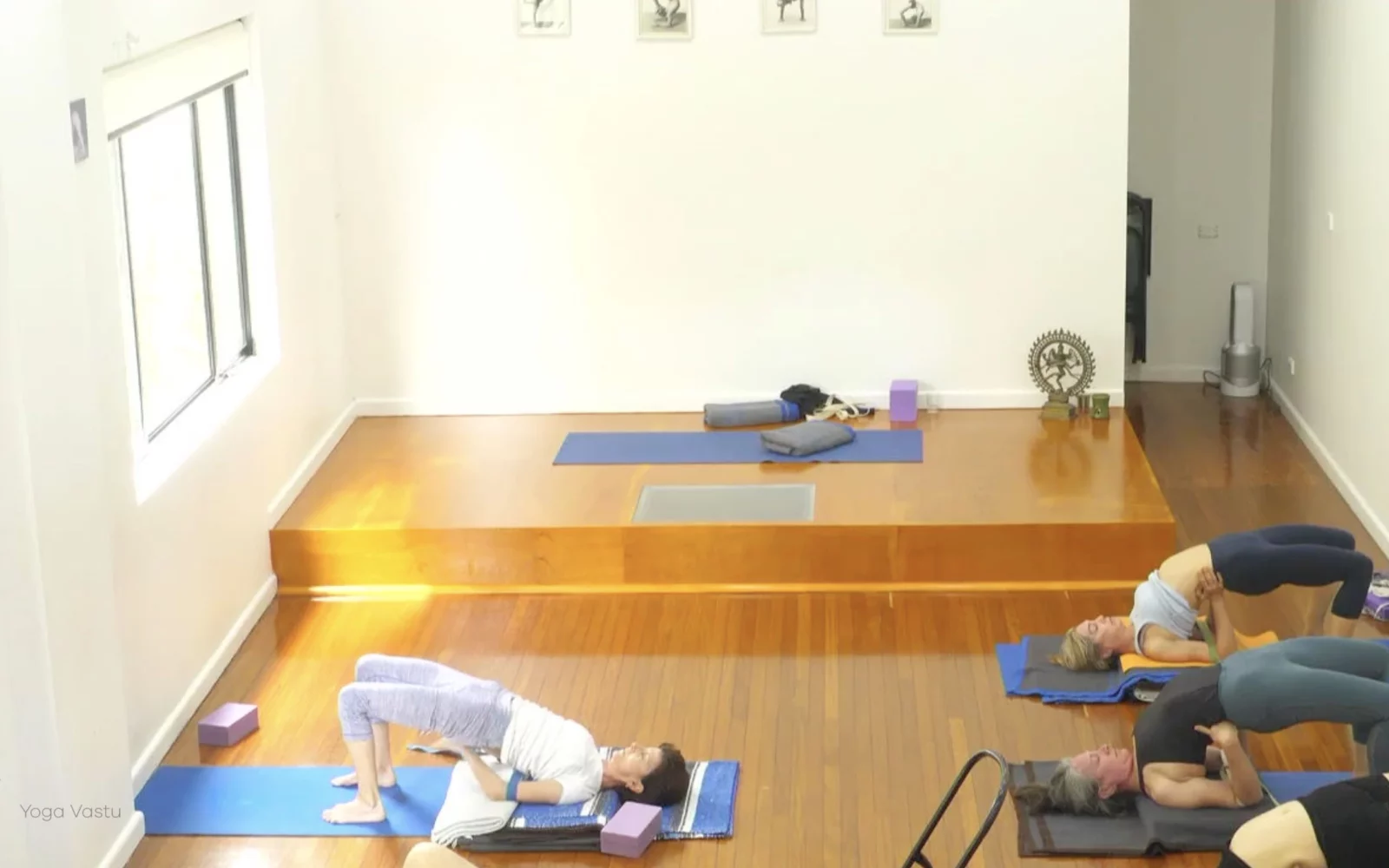
Next comes Supported Setu Bandha Sarvangasana over some folded blankets. Go up into Sarvangasana, then Eka Pada Sarvangasana, then swing your legs overhead and come into Halasana. Go into Bridge Pose again. This time, swing straight up into Sarvangasana. This is an interesting and slightly unusual transition. As advanced practitioners, we rarely experience truly new things in our practice. Pay attention to the novelty of such transitions. Does your intuition help you achieve a smooth transition? What isn’t so easy?
Come down now, bring your legs down so your knees are on either side of your head: Karna Pidasana. Then, Virasana Forward to release before stretching out into your final meditation in Savasana.
Video stills from this sequence