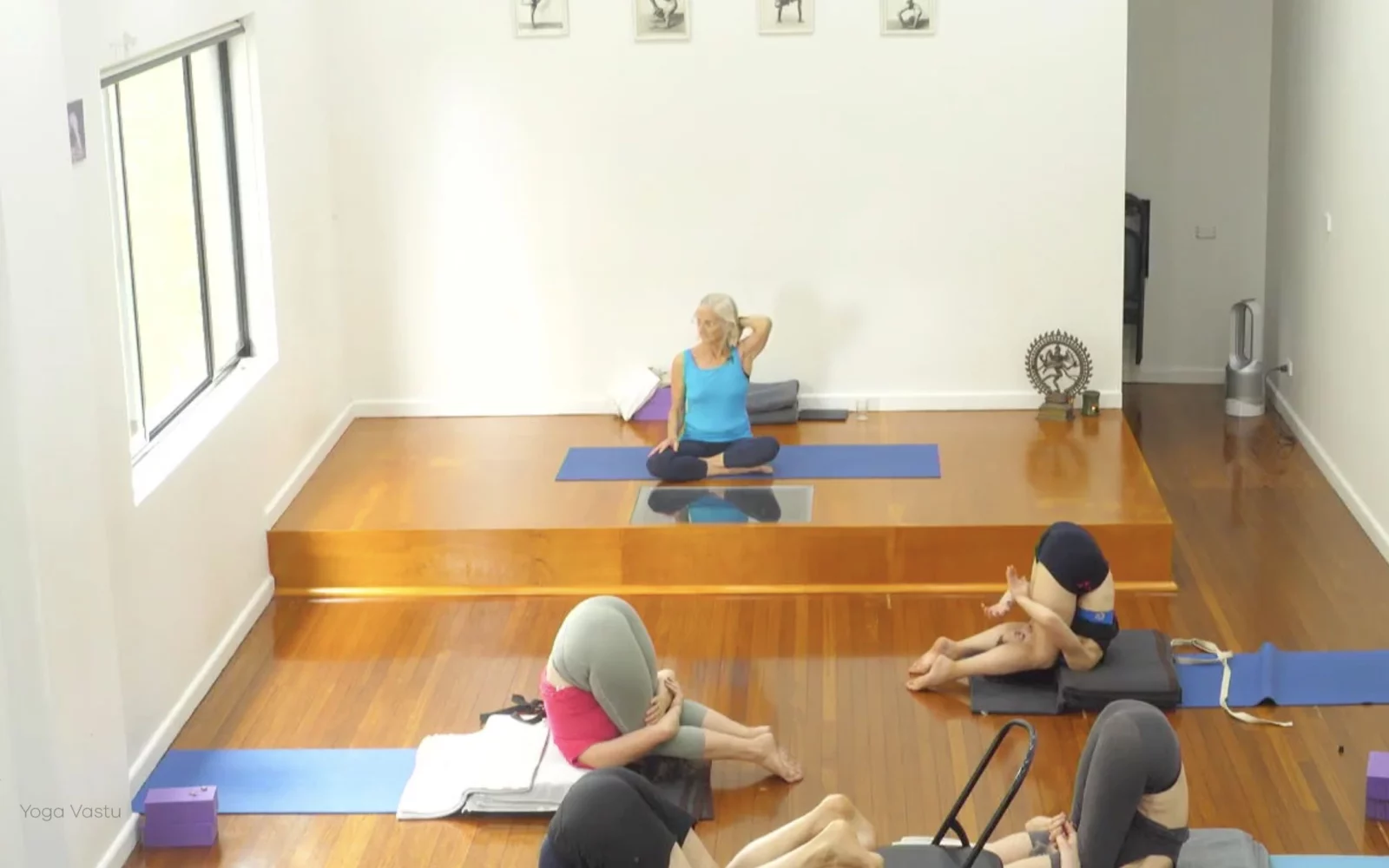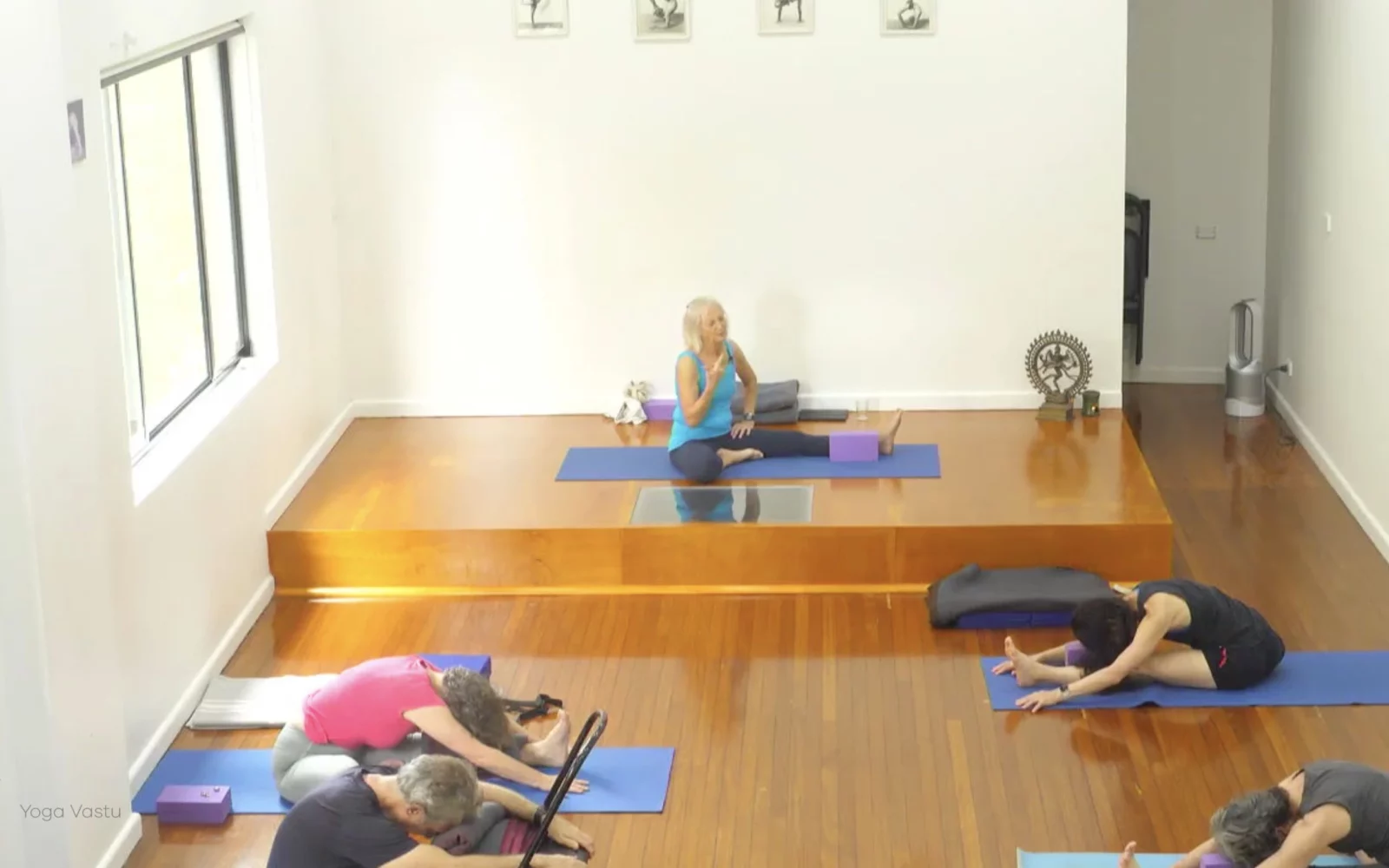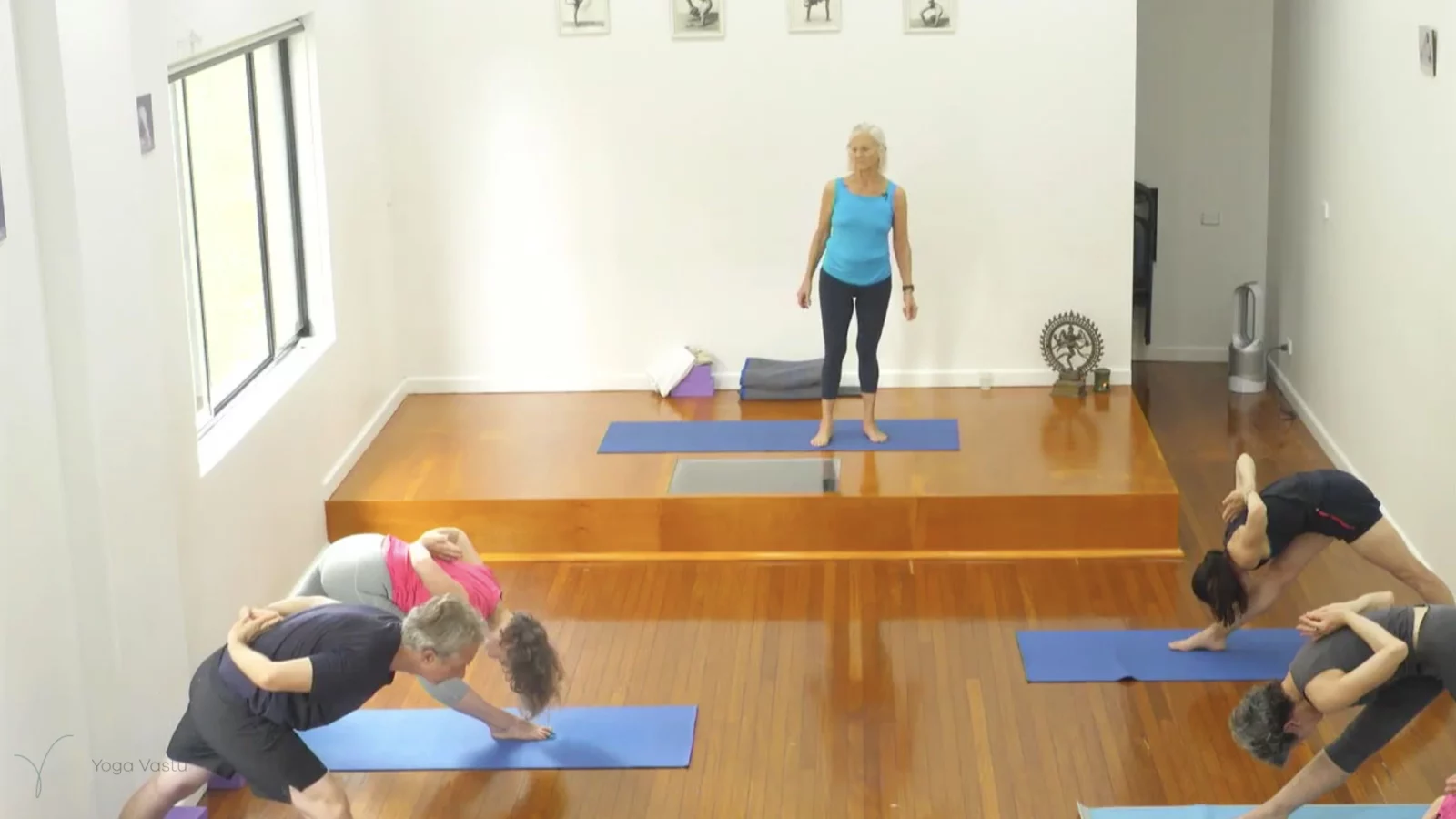
In this class, we will focus on balancing out the inner groin and outer buttock crease in standing poses and inversions. We’ll pay special attention to what difference hip opening can bring to such poses as Parsvottanasana, Prasarita Padottanasana, and Supta Padangusthasana 1, 2, and 3.
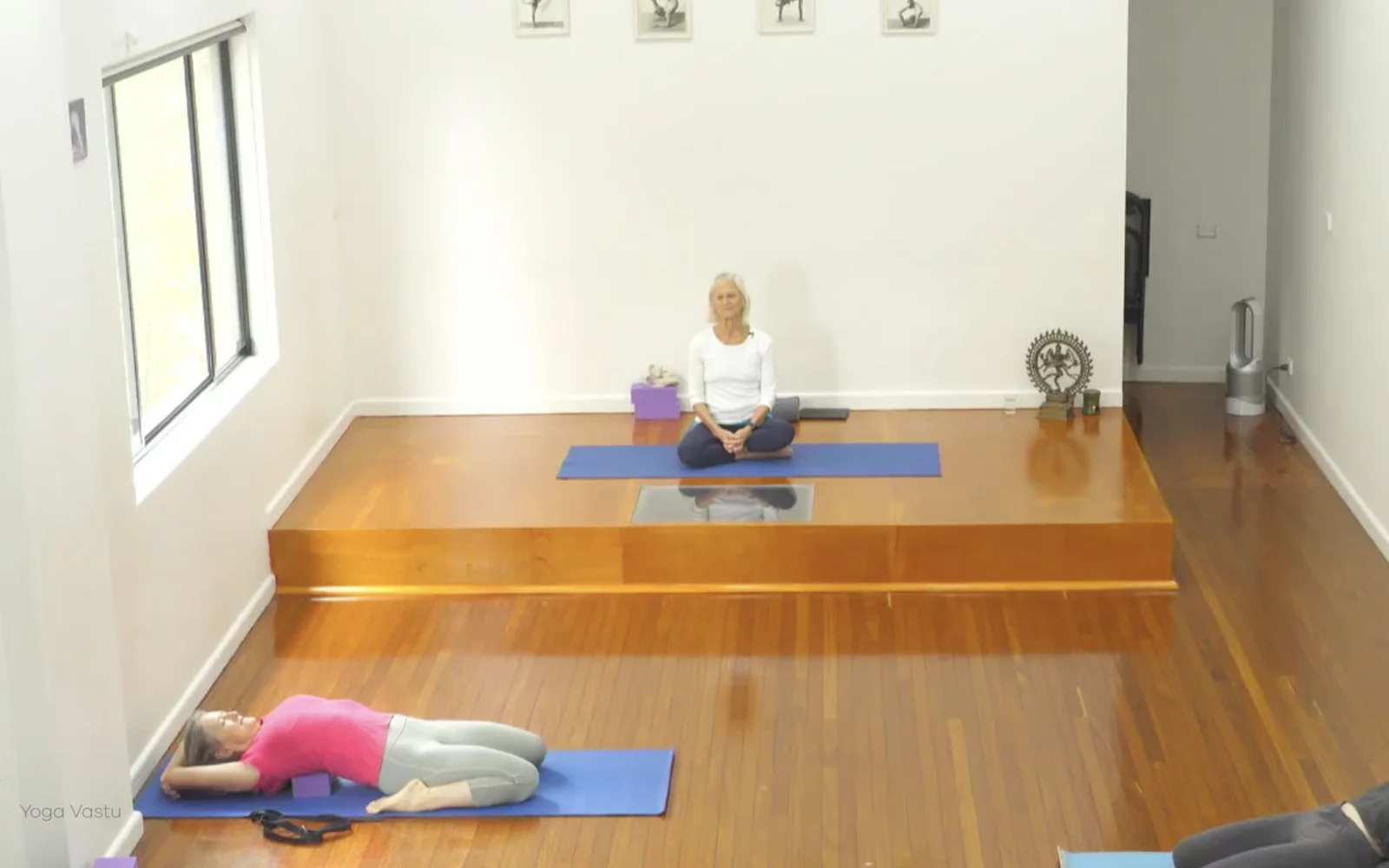
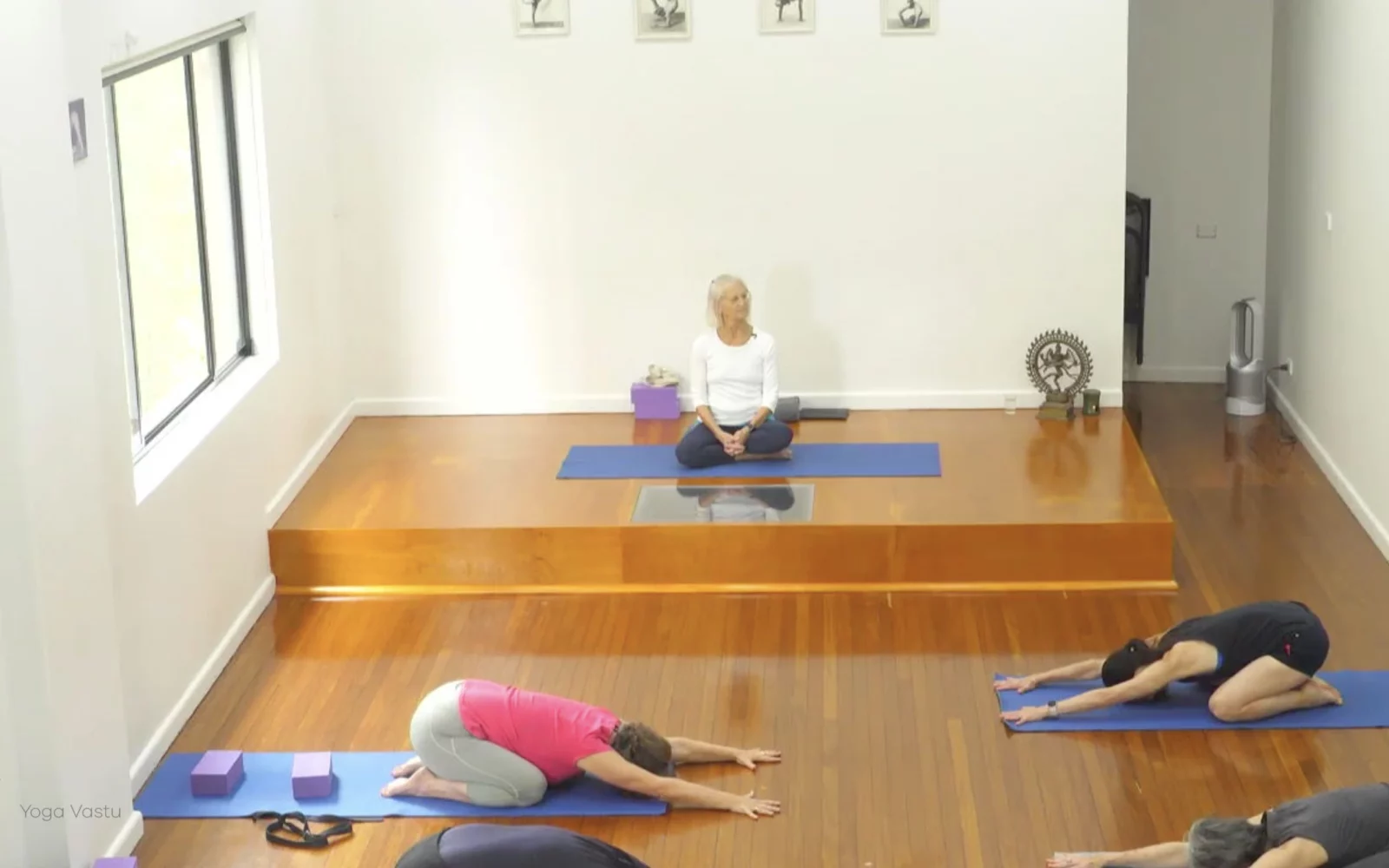
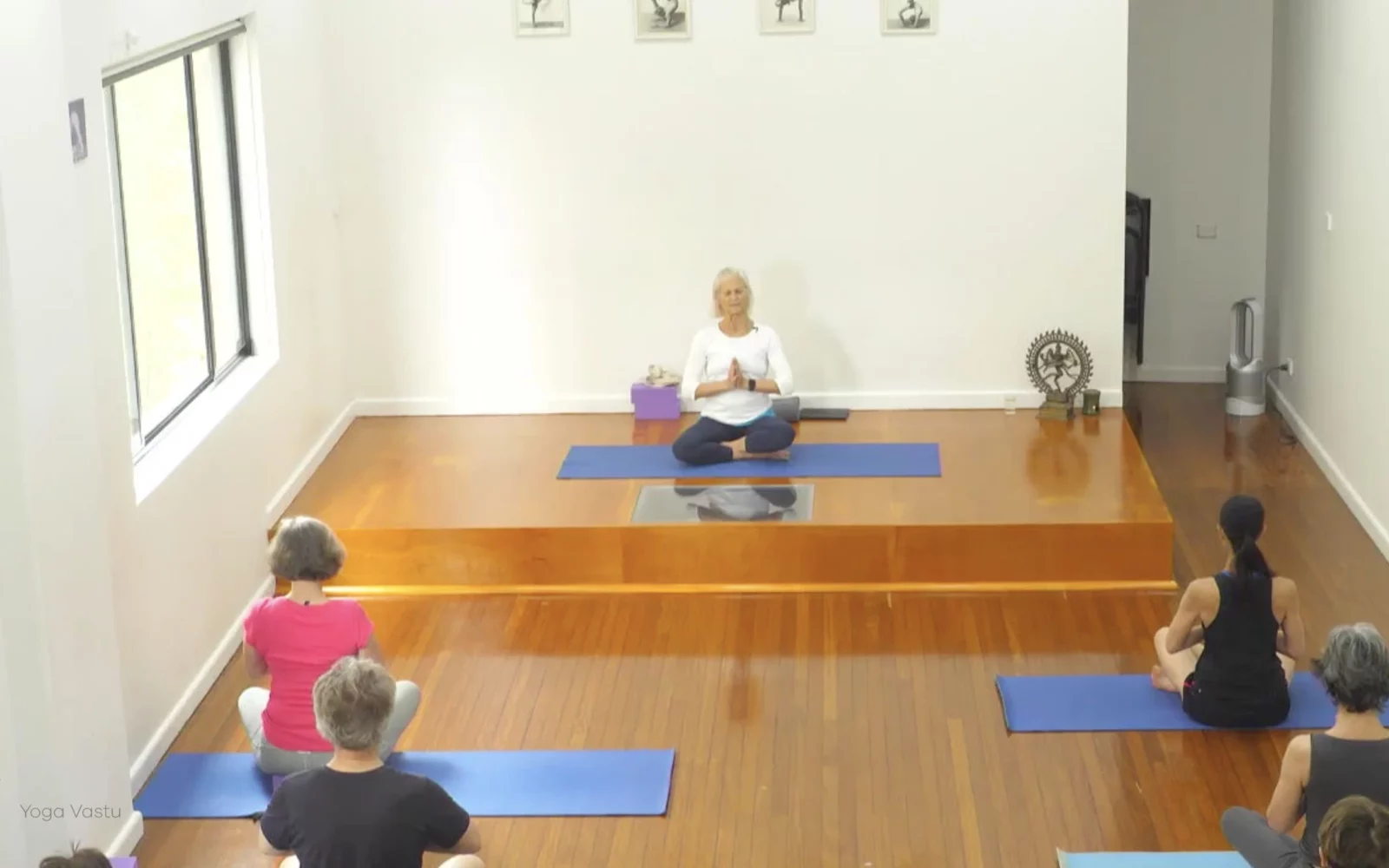
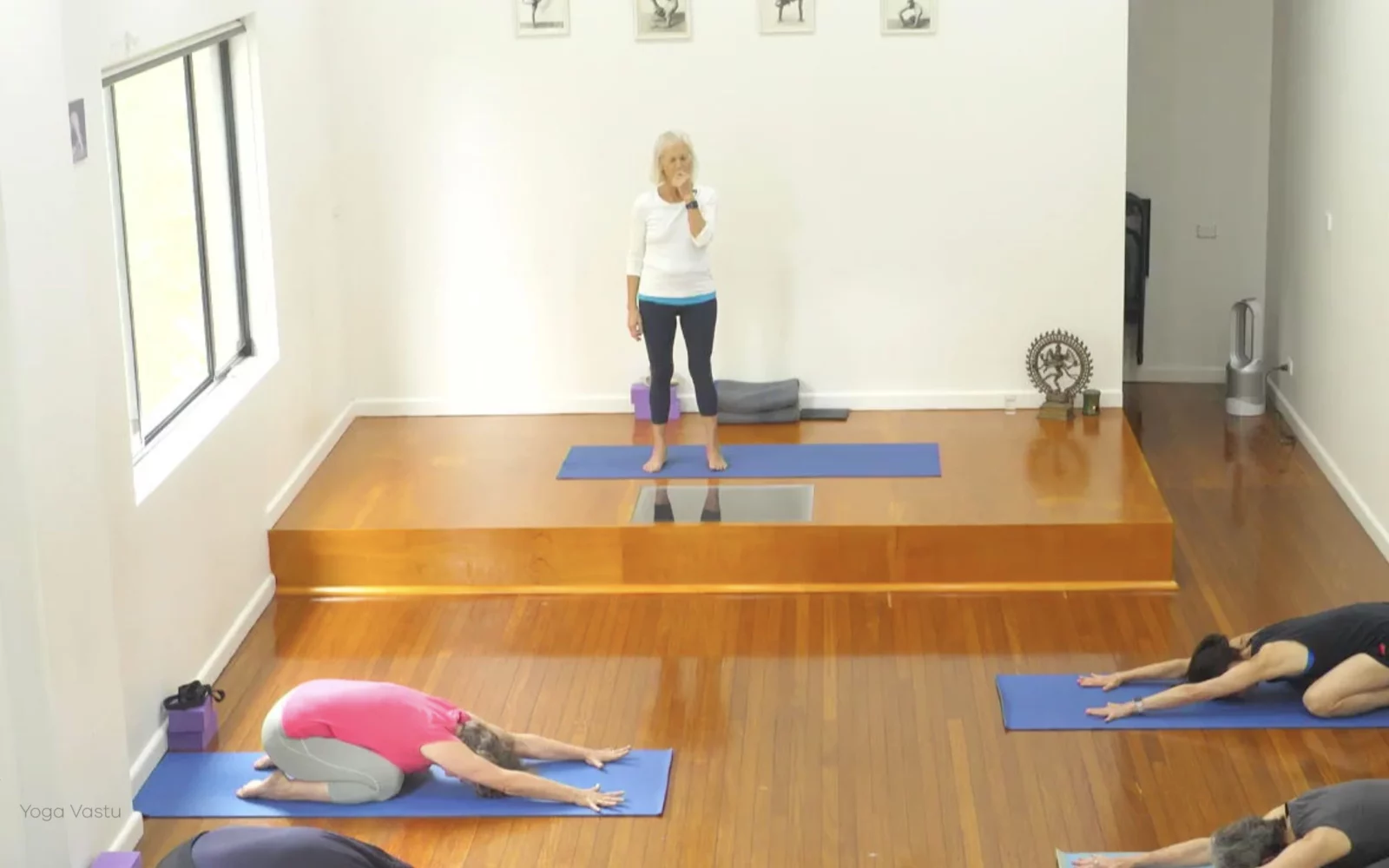
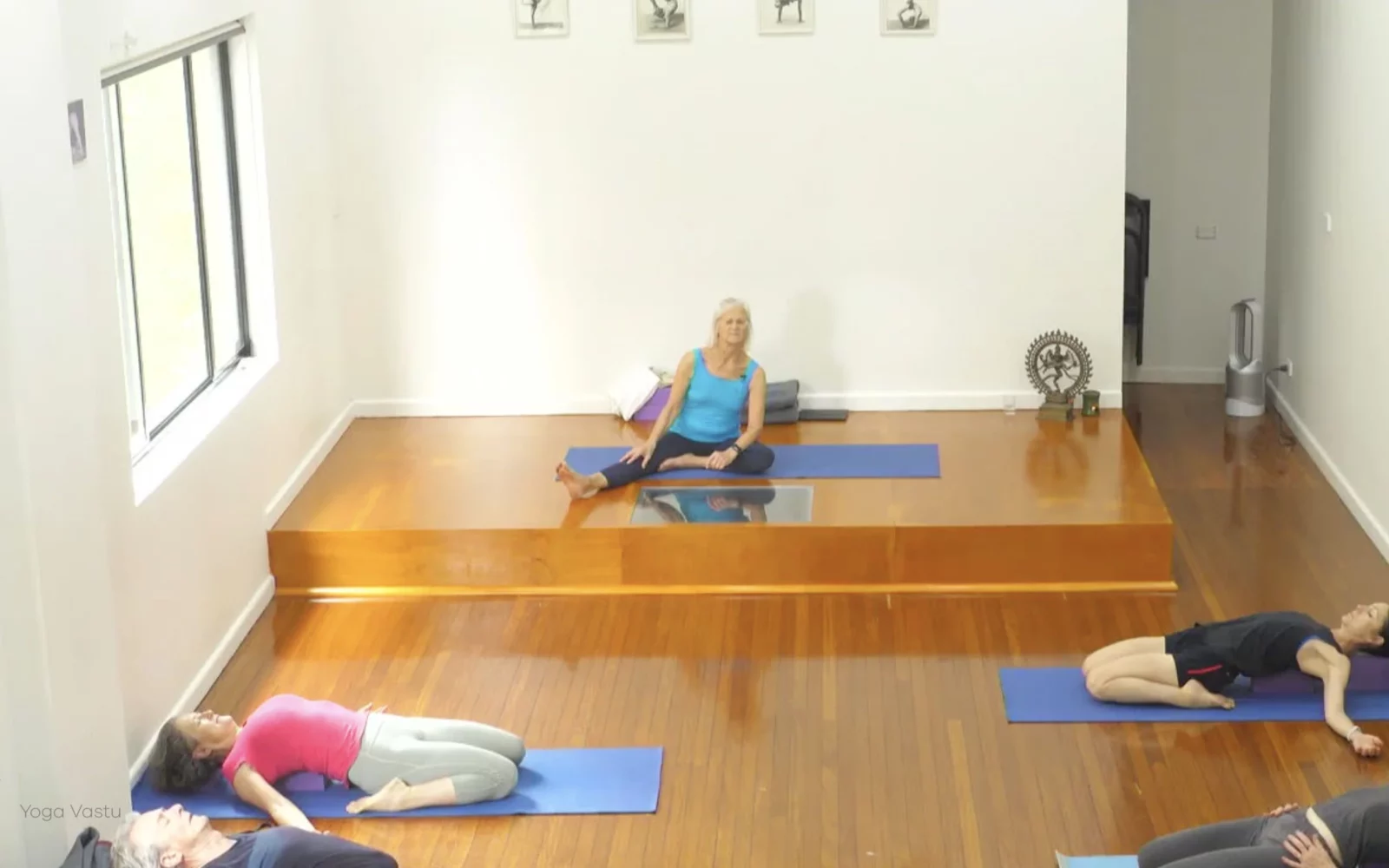
Begin in Supta Virasana, shifting into Virasana Forward with knees apart. Then, sit up for the invocation. As you cross your legs here, make sure to balance out the inner groin and outer buttock crease. Notice where the tension is stored.
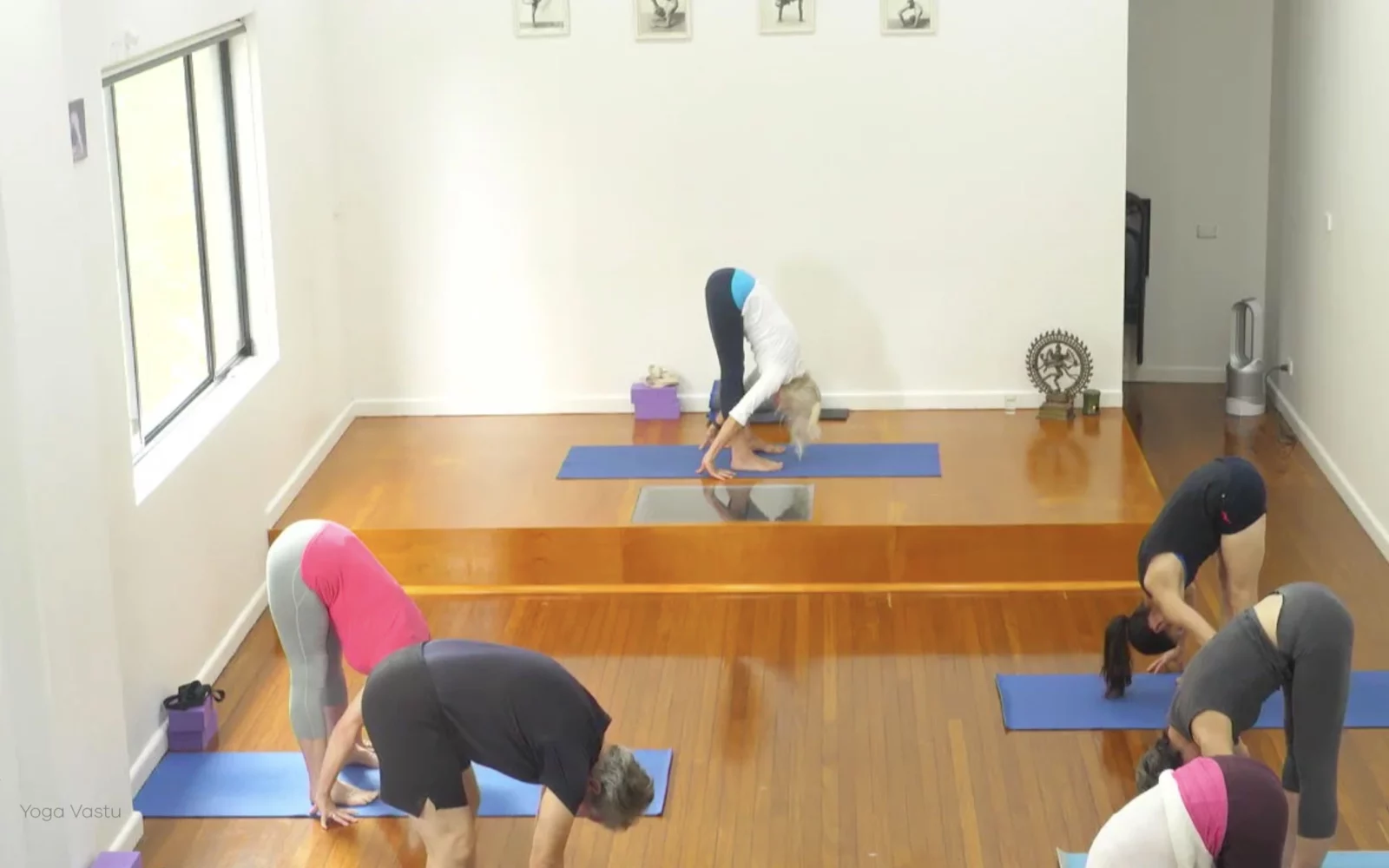
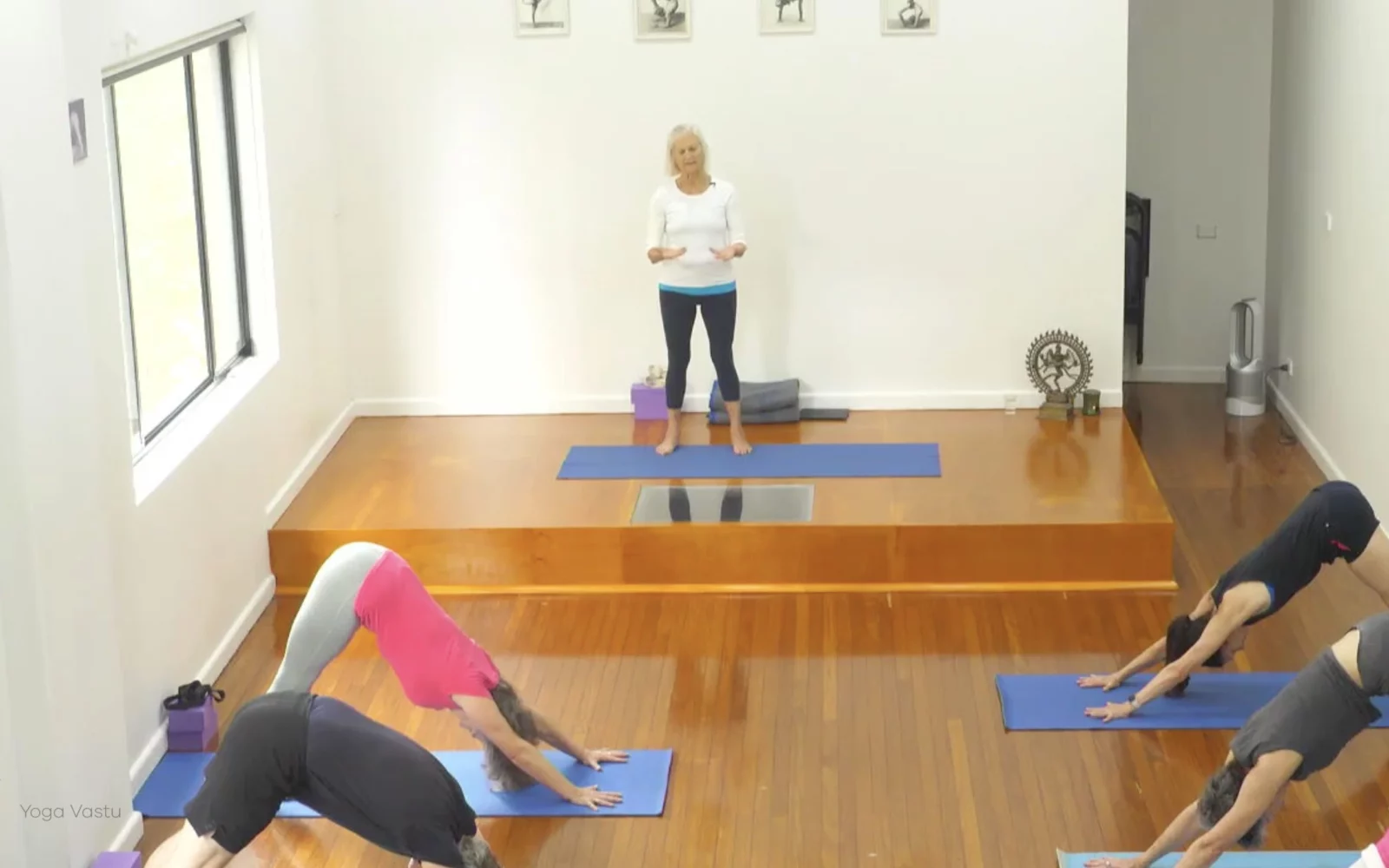
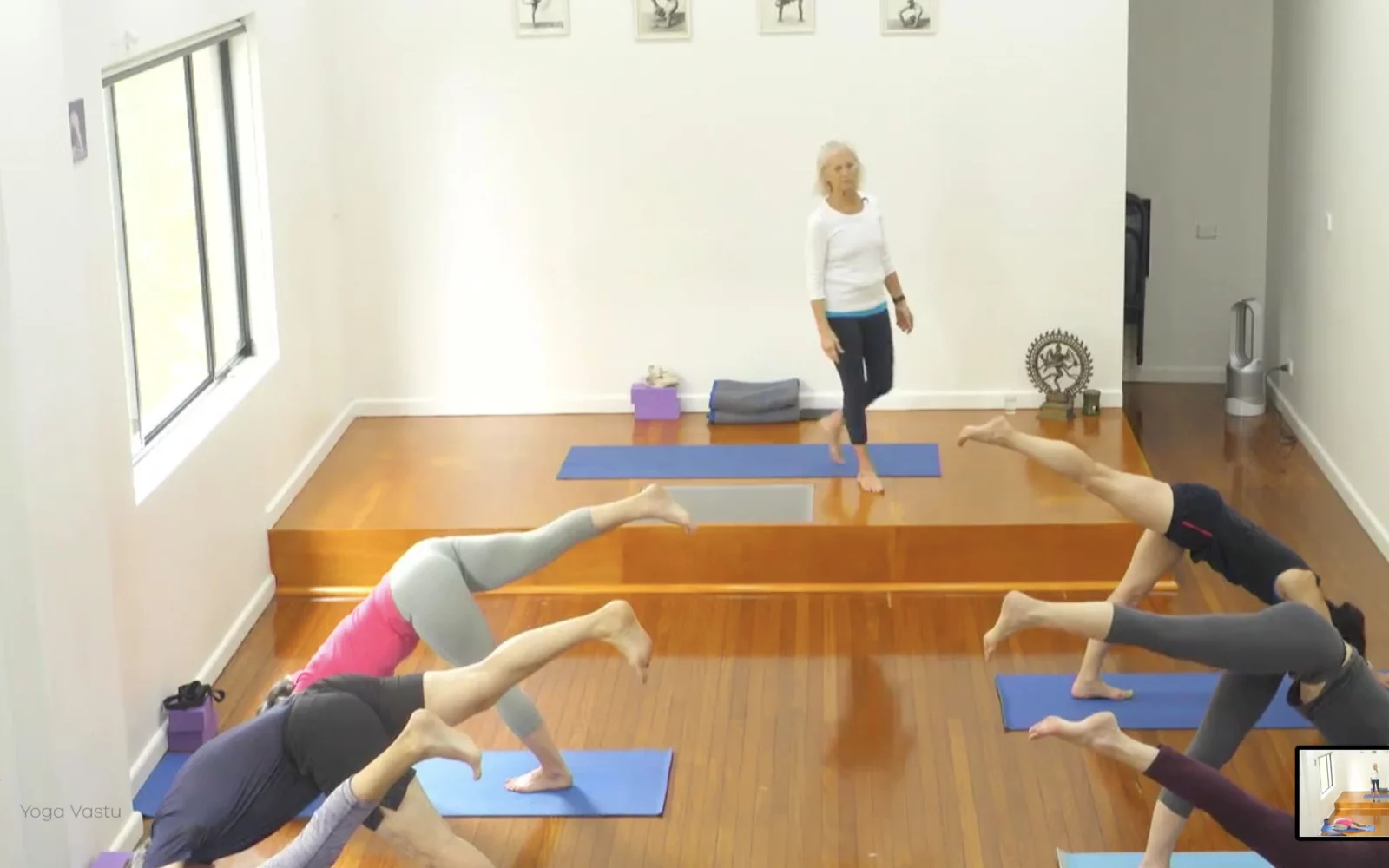
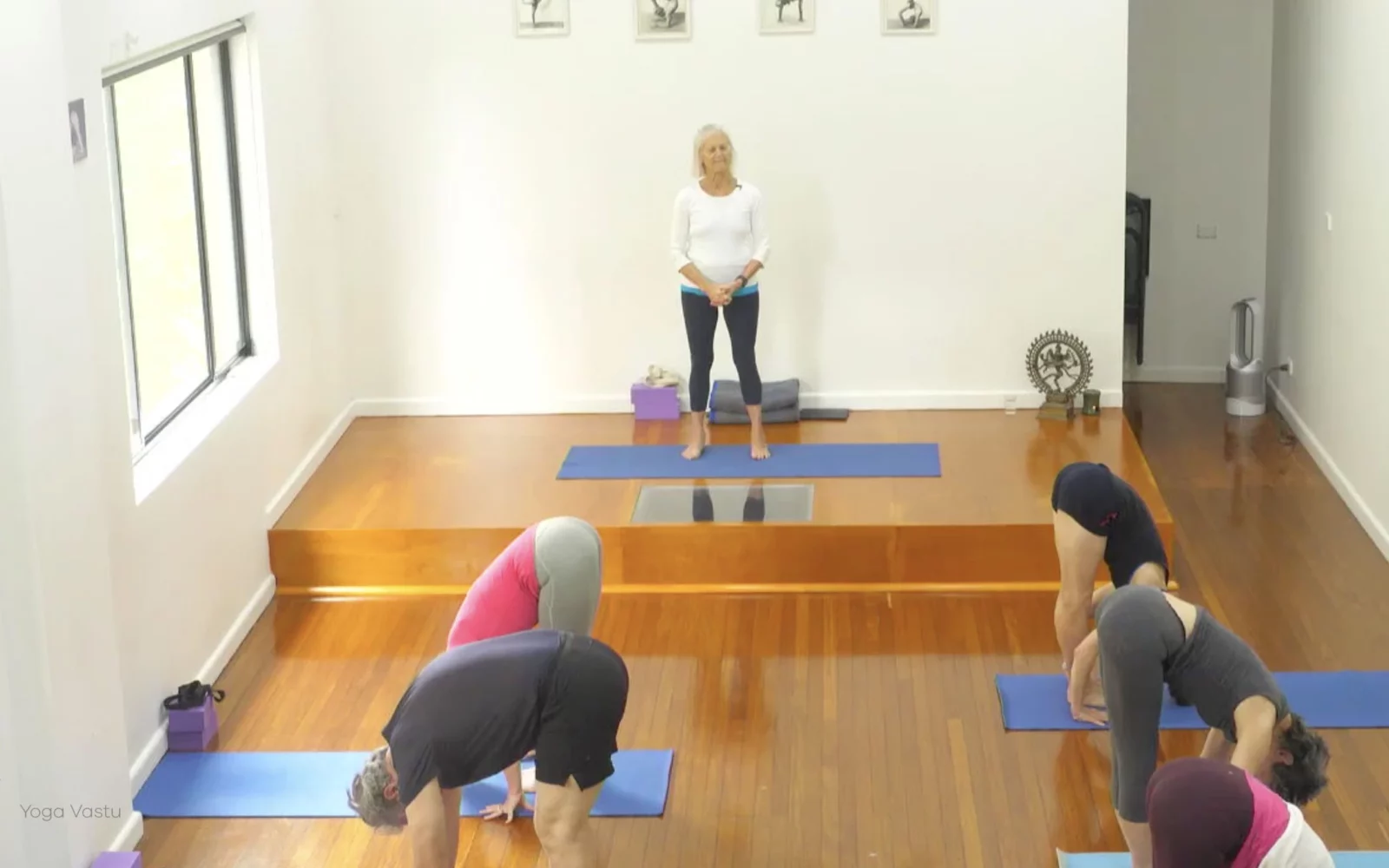
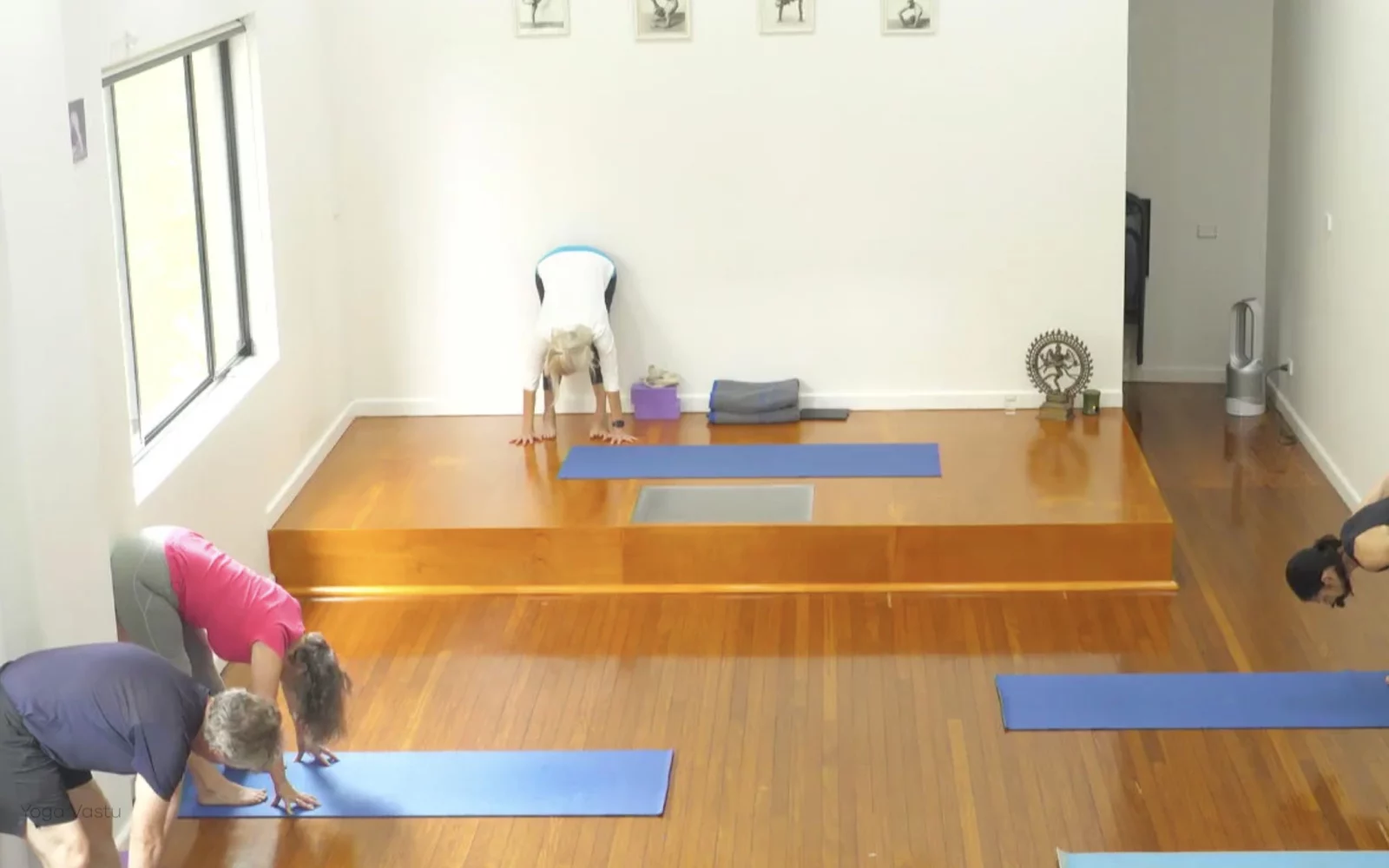
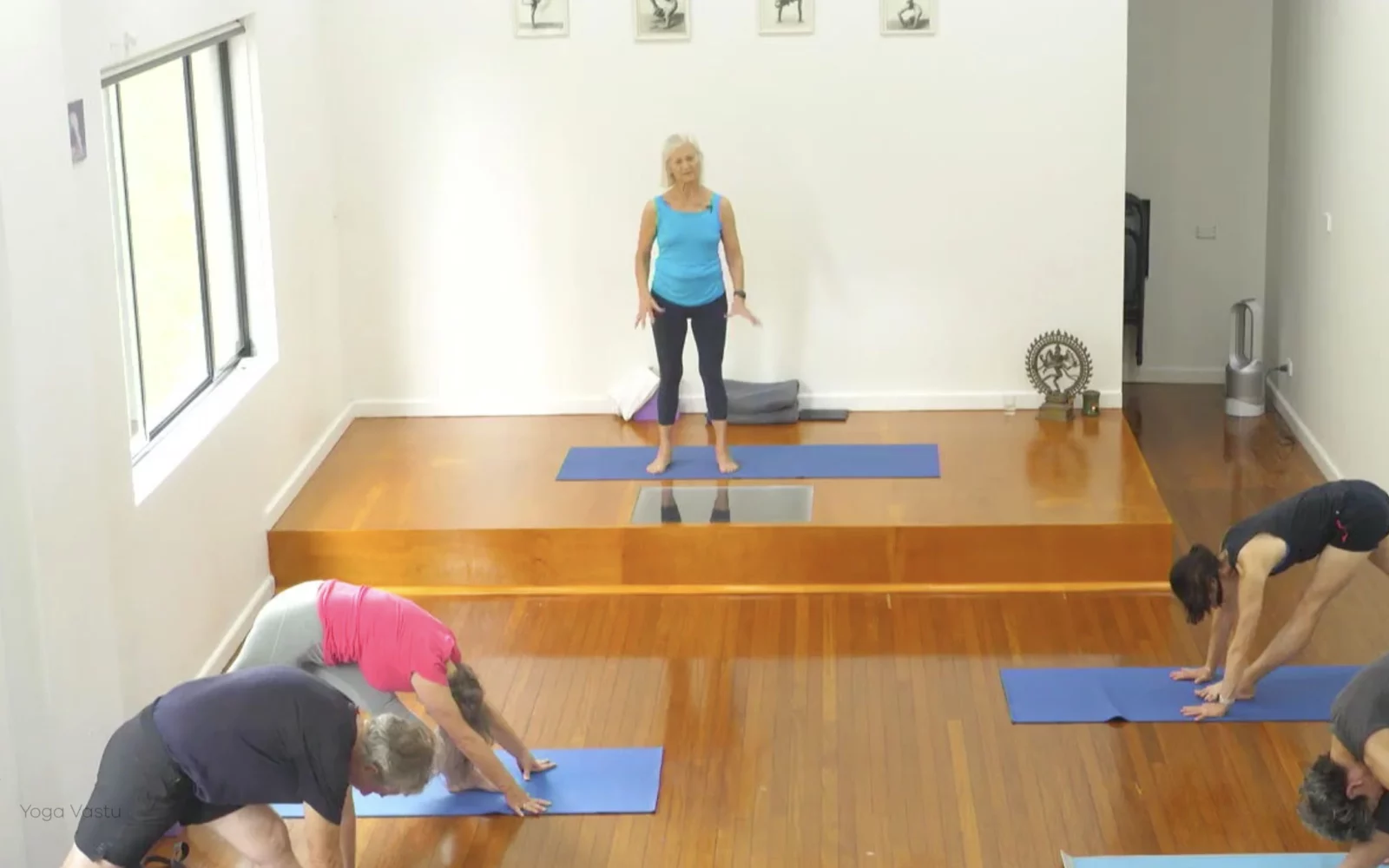
Next, stand up and fold forward into Uttanasana. Feel your foundation to find out where you are and which points are out of balance. Find your neutral space and ground yourself through your feet. Then, walk your hands out into Adho Mukha Svanasana. Shift into Virasana Forward, then back into Adho Mukha Svanasana with one leg raised up behind you. Notice how introducing a bit of extra tension can affect the integrity of the pose. Recenter yourself through your hips, then change sides and see what difference this brings.
Then, step back and take Uttanasana to the wall. Having wall support can help you become more aware of the actions in your hips and groin. It can help you even things out. Remember the feeling of your hips against the wall because you will keep coming back to it later in the practice: this is the feeling of neutrality you are aiming to replicate. Hold Uttanasana for a few breaths and remember: all poses, even the most ‘basic’ ones, are done for a reason; we don’t do them just to warm up or just because; they help us scan the body for the information necessary for us to move on with our practice and they do this much more efficiently than more ‘advanced’ poses do.
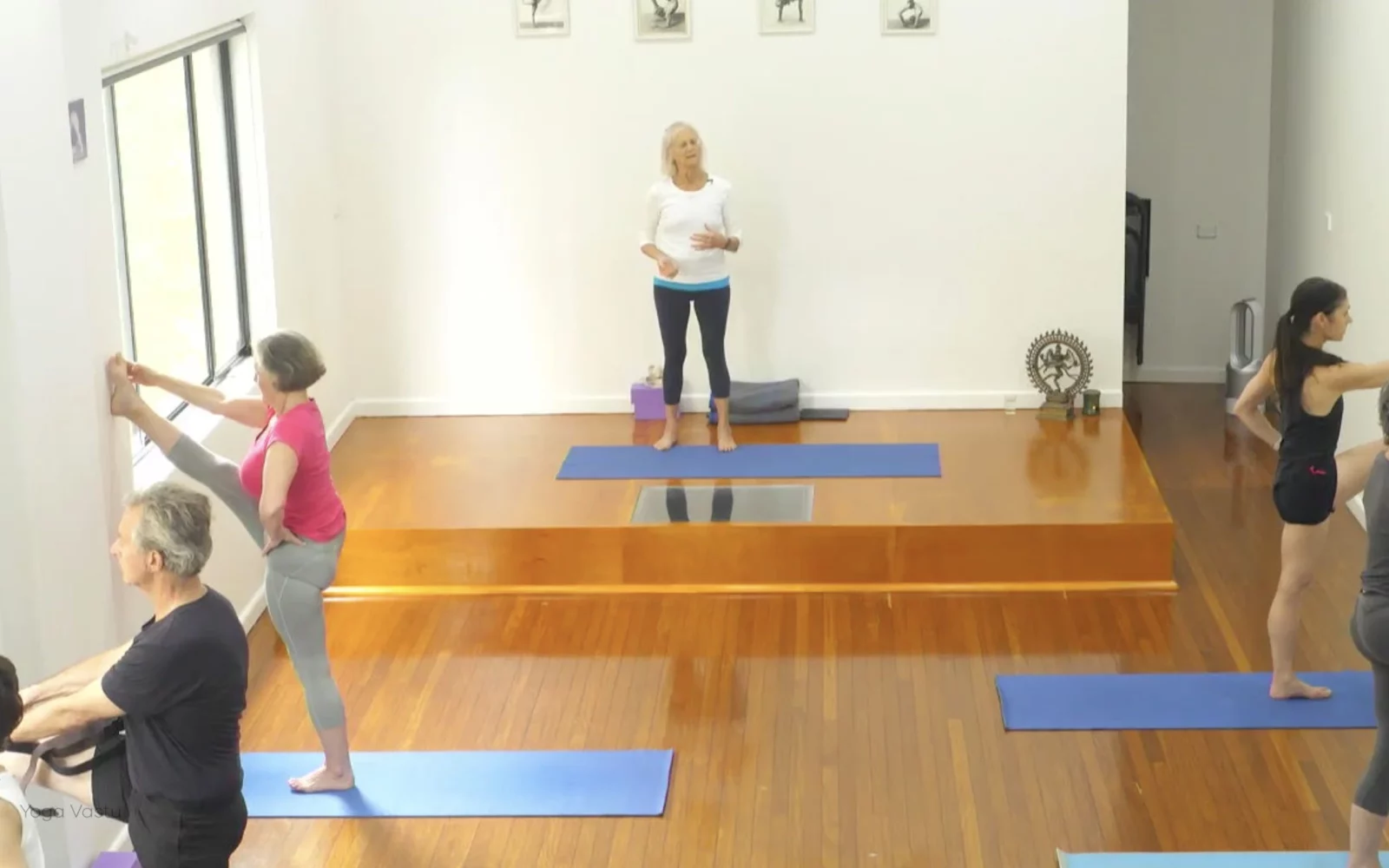
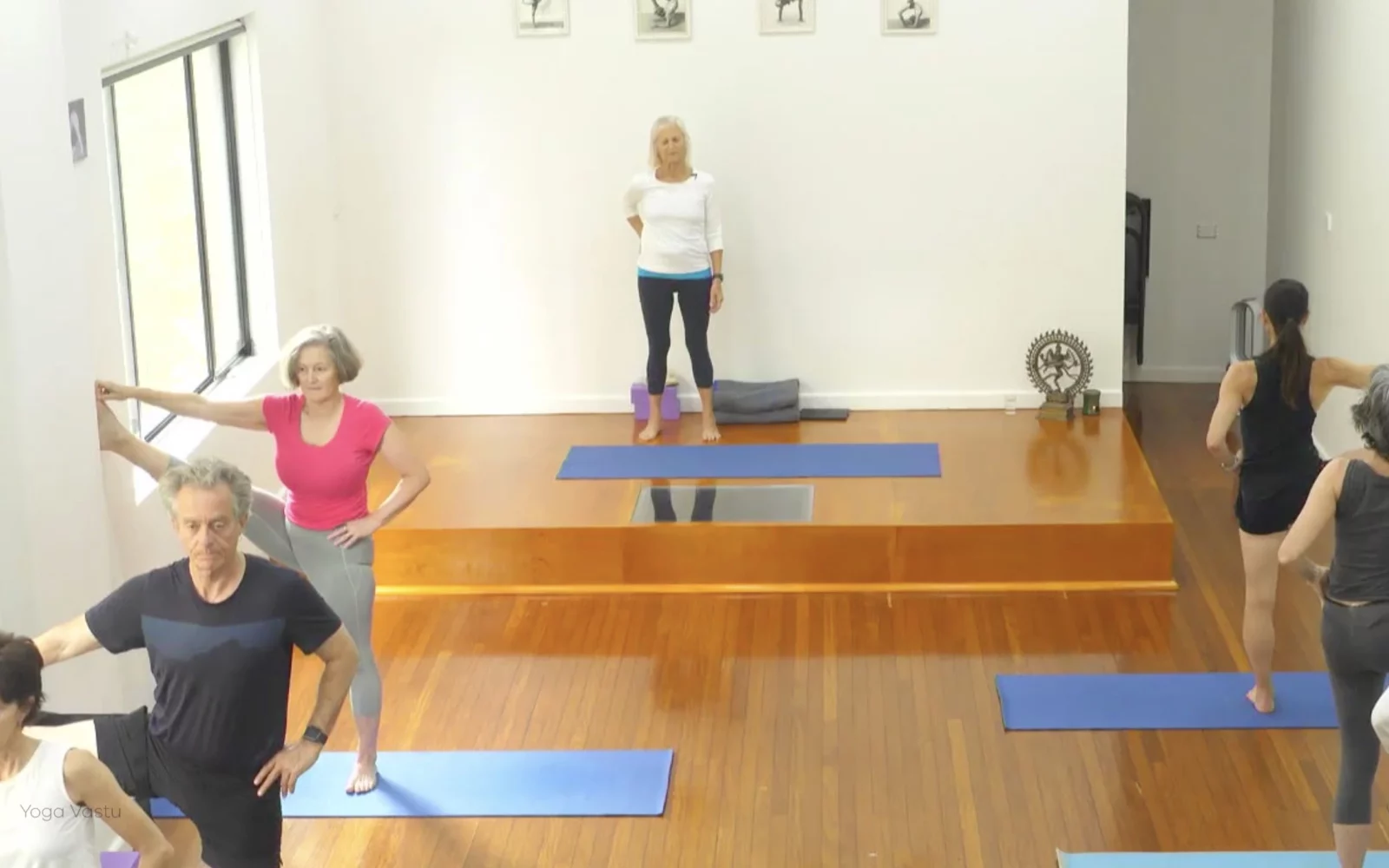
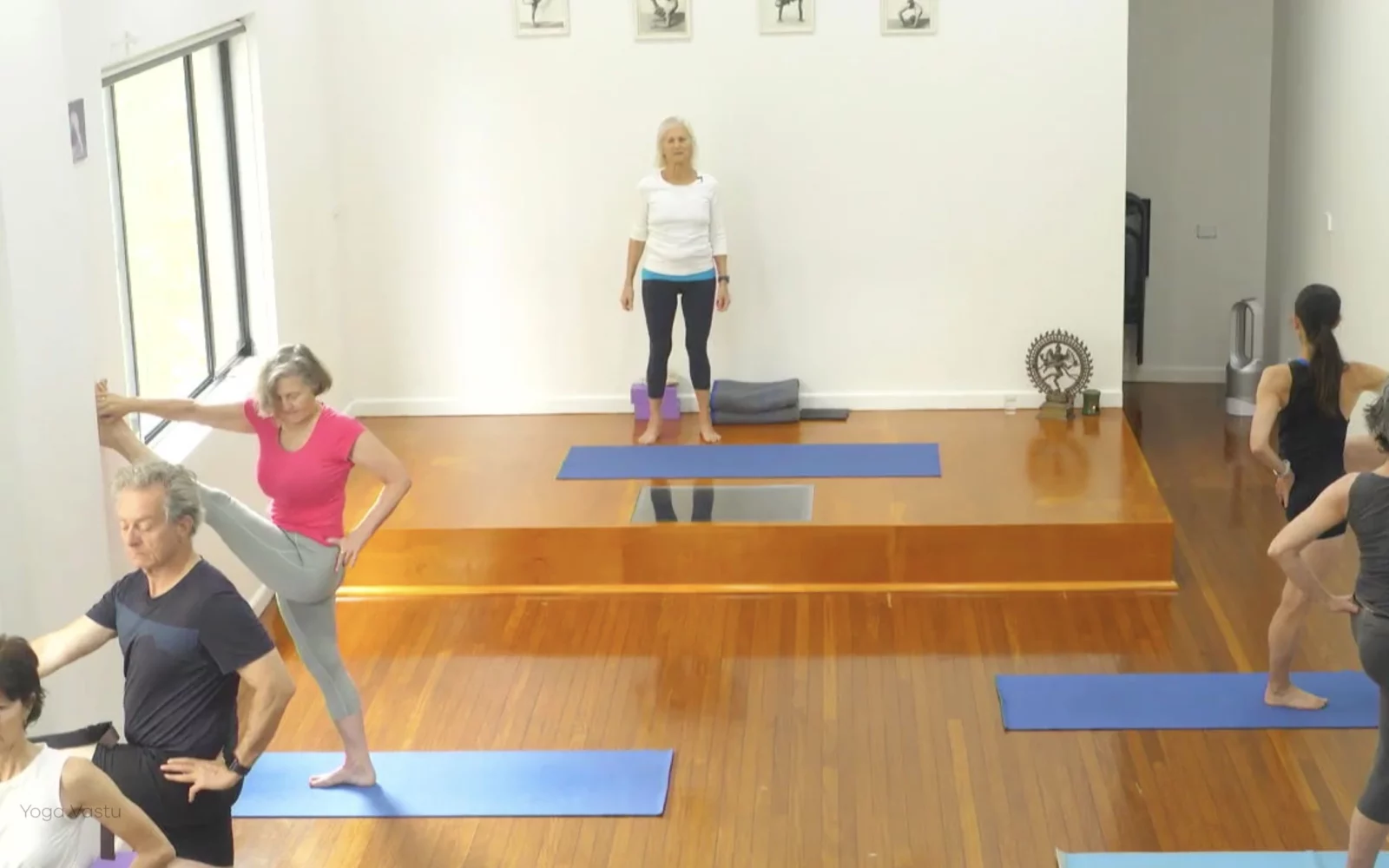
Stand up now for Utthita Hasta Padangusthasana 1 and 2 to the wall. Then, go back to the first variation and twist.
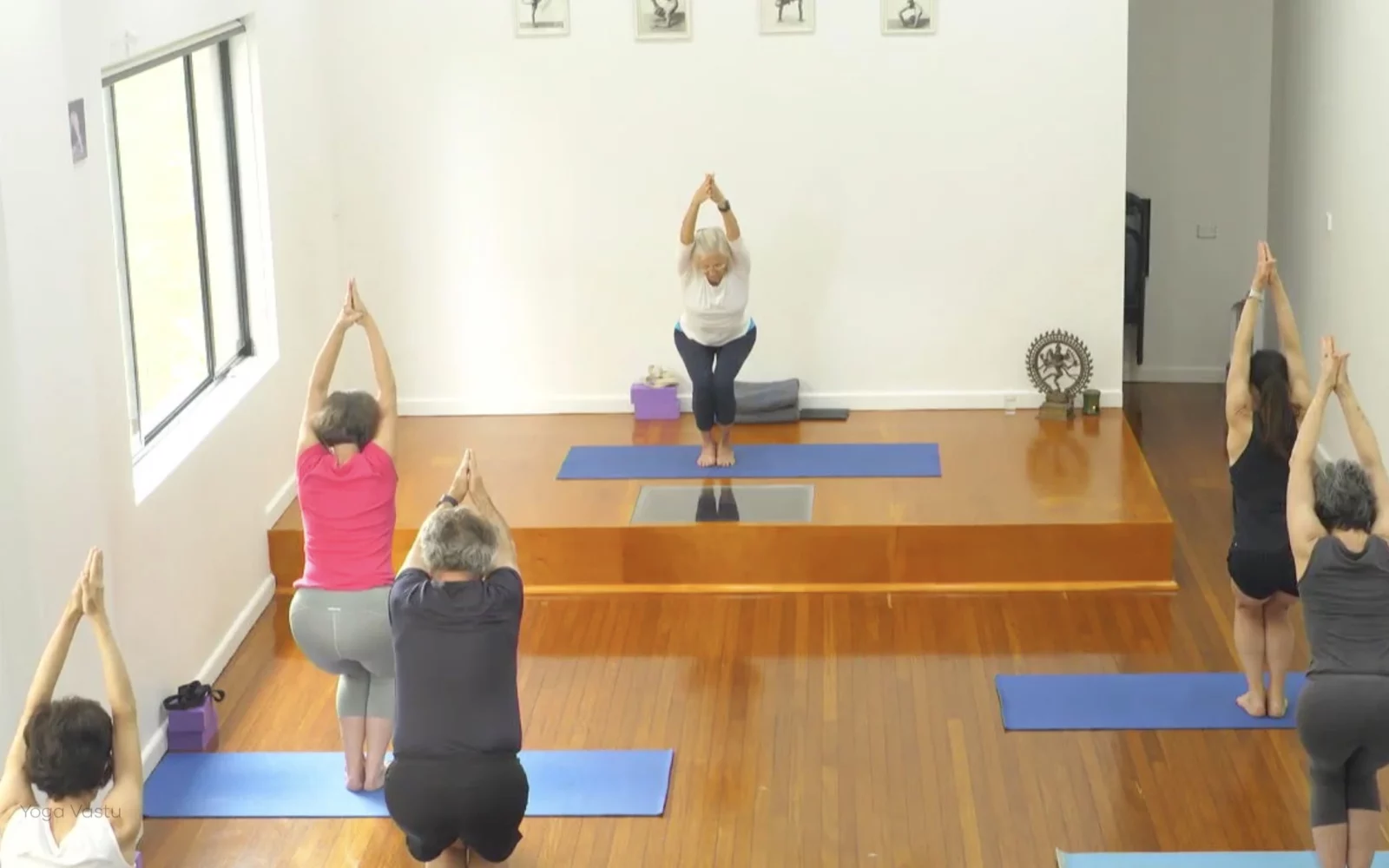
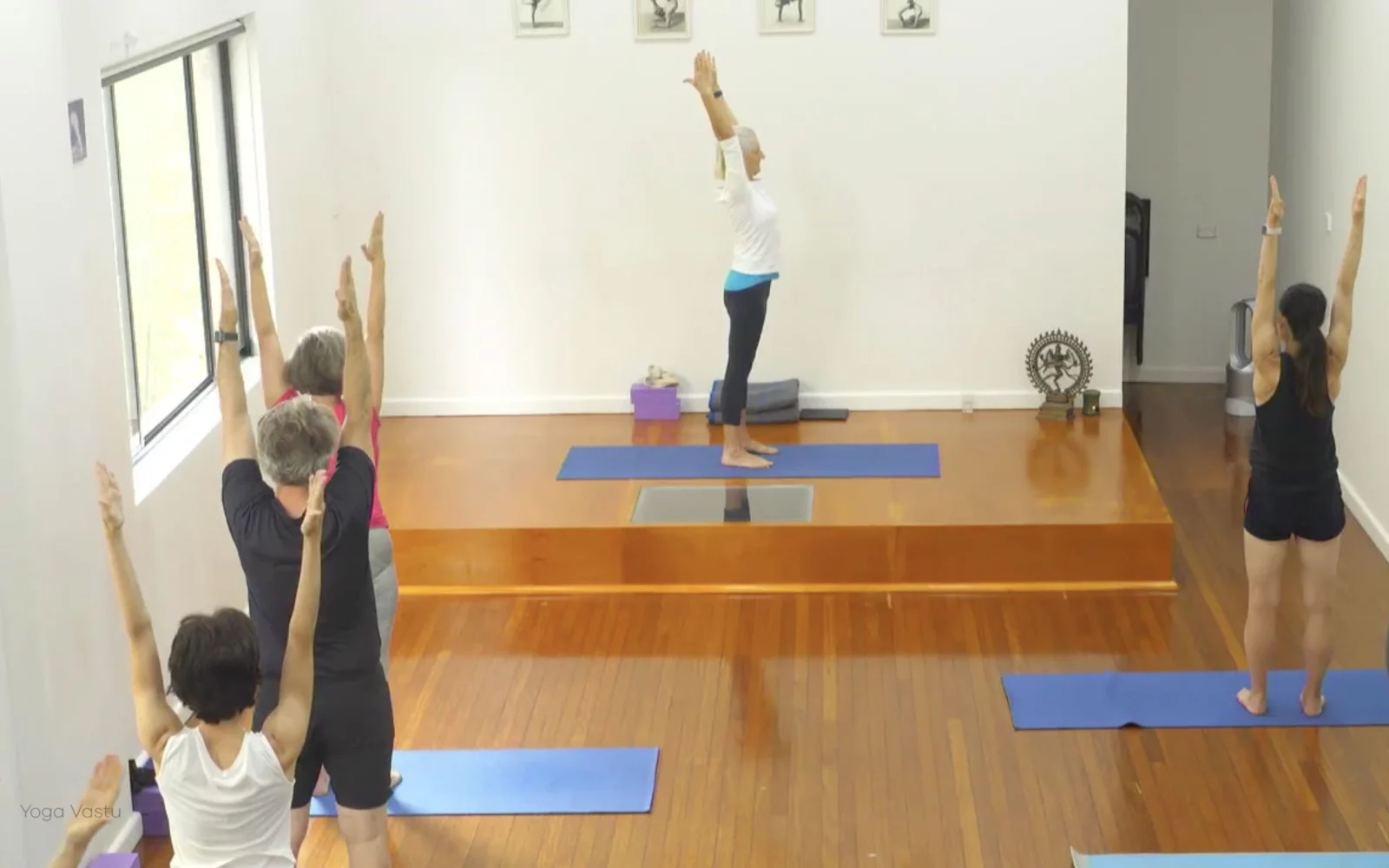
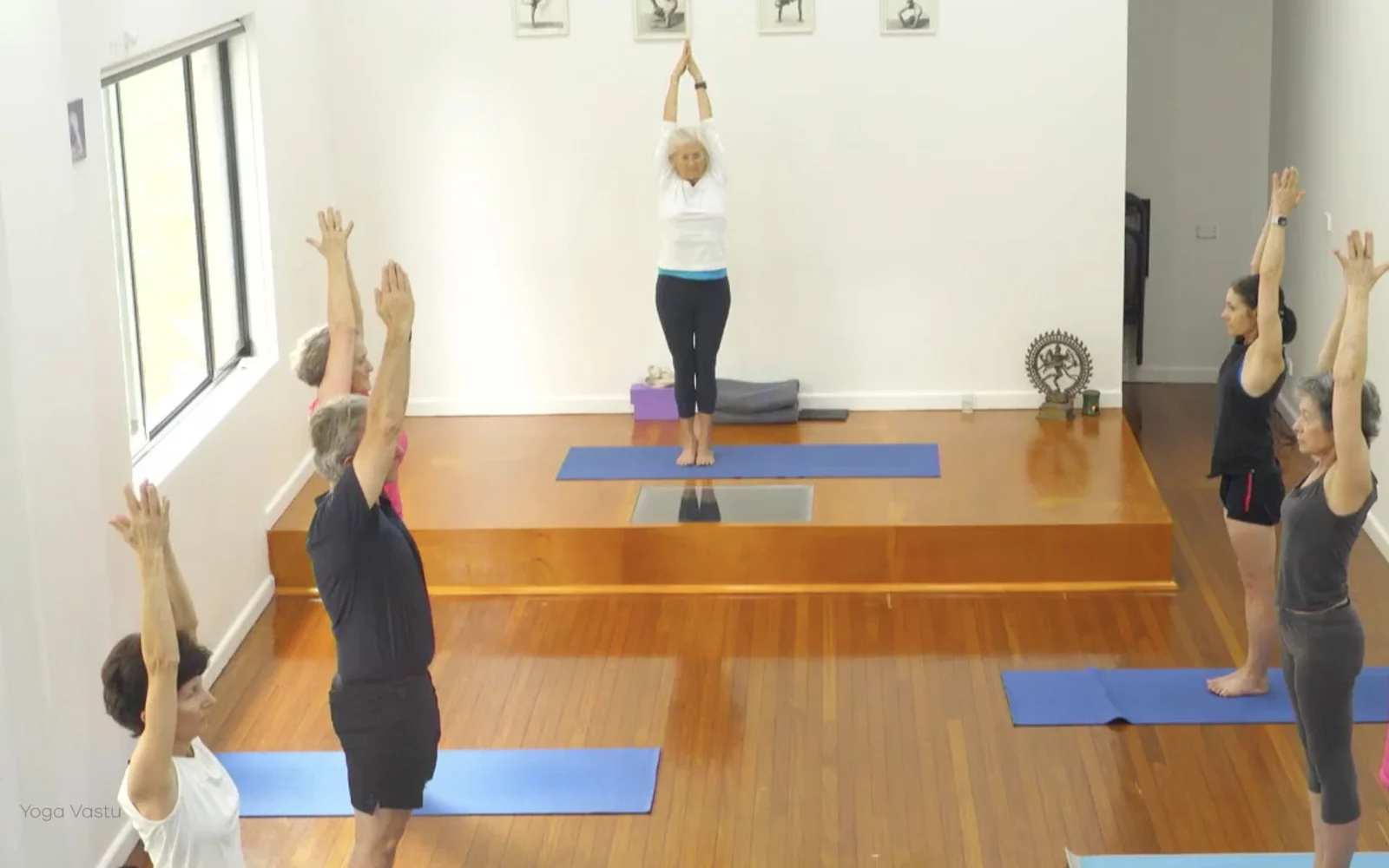
Now, a mini sequence to help you activate your hips and groin in a different way: sit your hips back into Utkatasana, stand up tall in Tadasana with your hands in Namaskar, and repeat this 3 times.
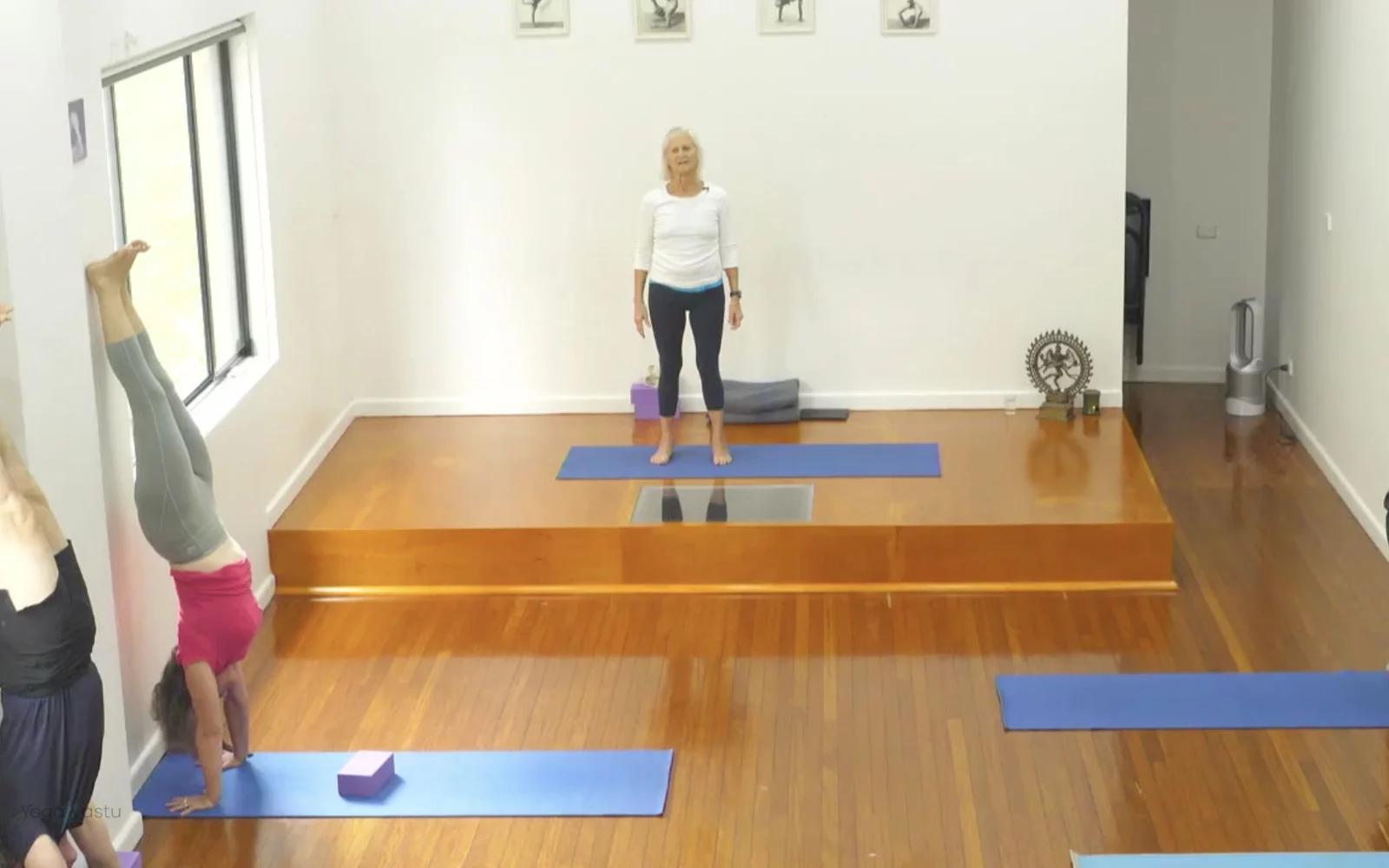
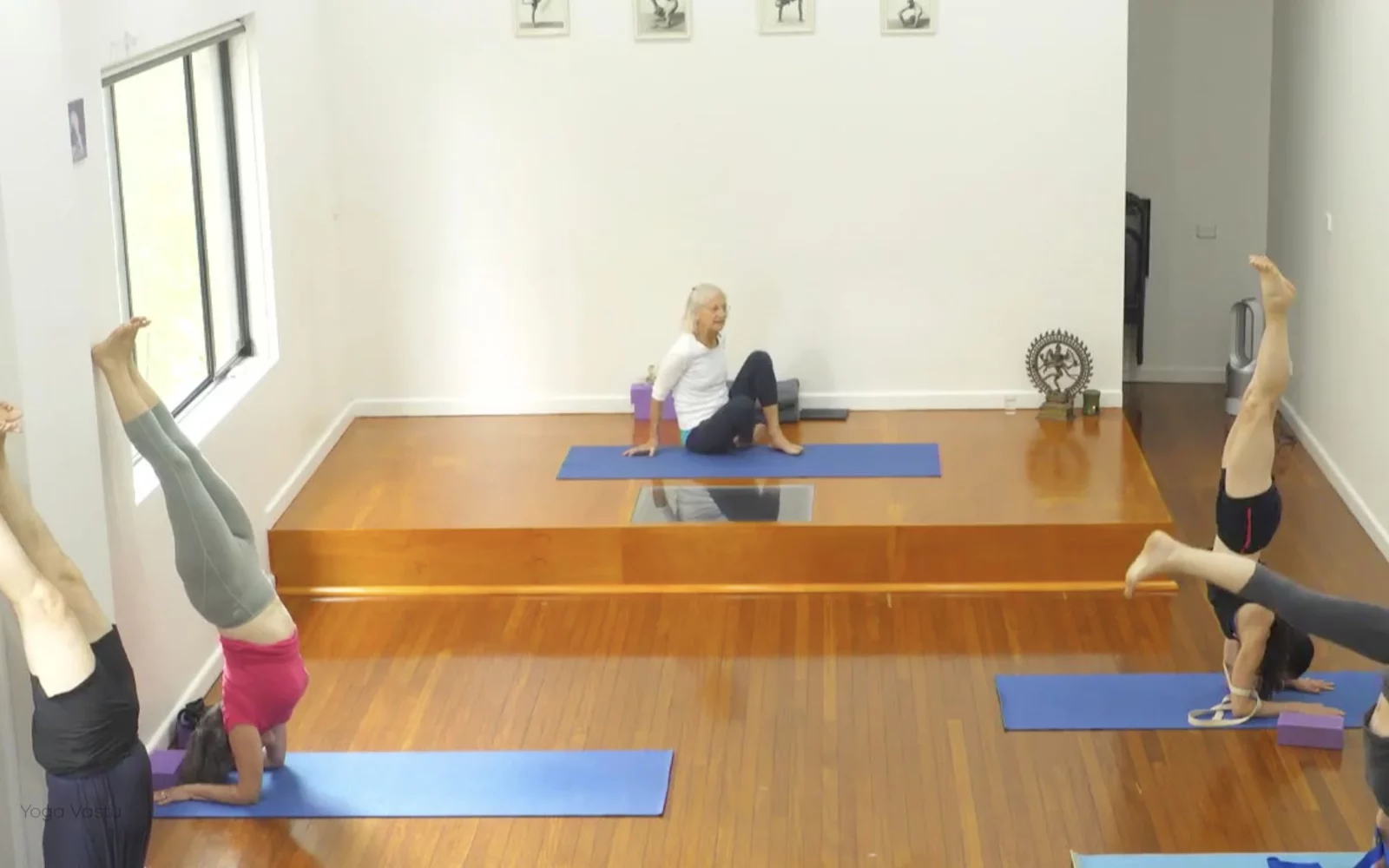
Go up into Adho Mukha Vrksasana, then Pincha Mayurasana, then take a few breaths in Virasana Forward. Even in the inversions, focus on the groin. Lift through the hips.
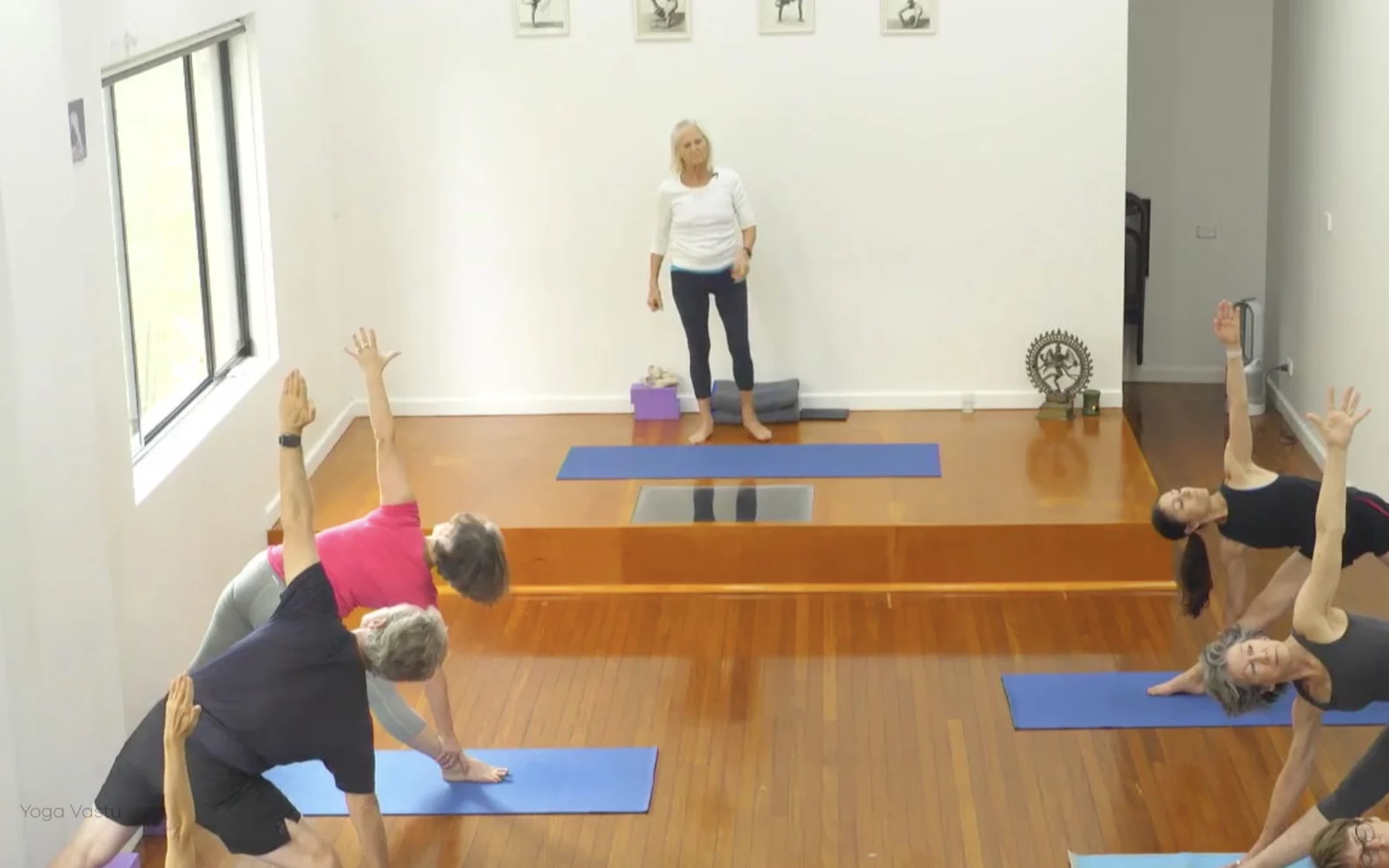
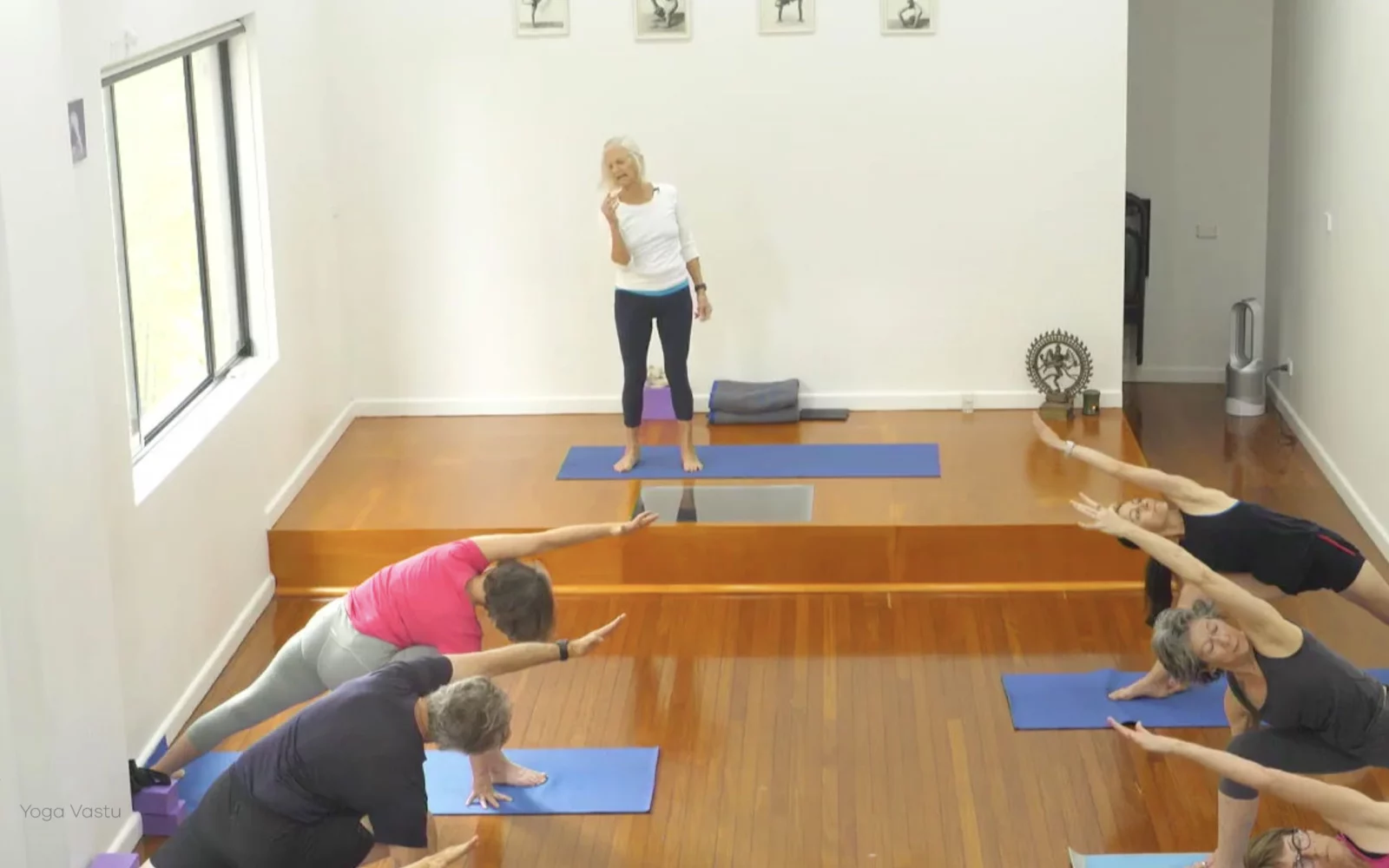
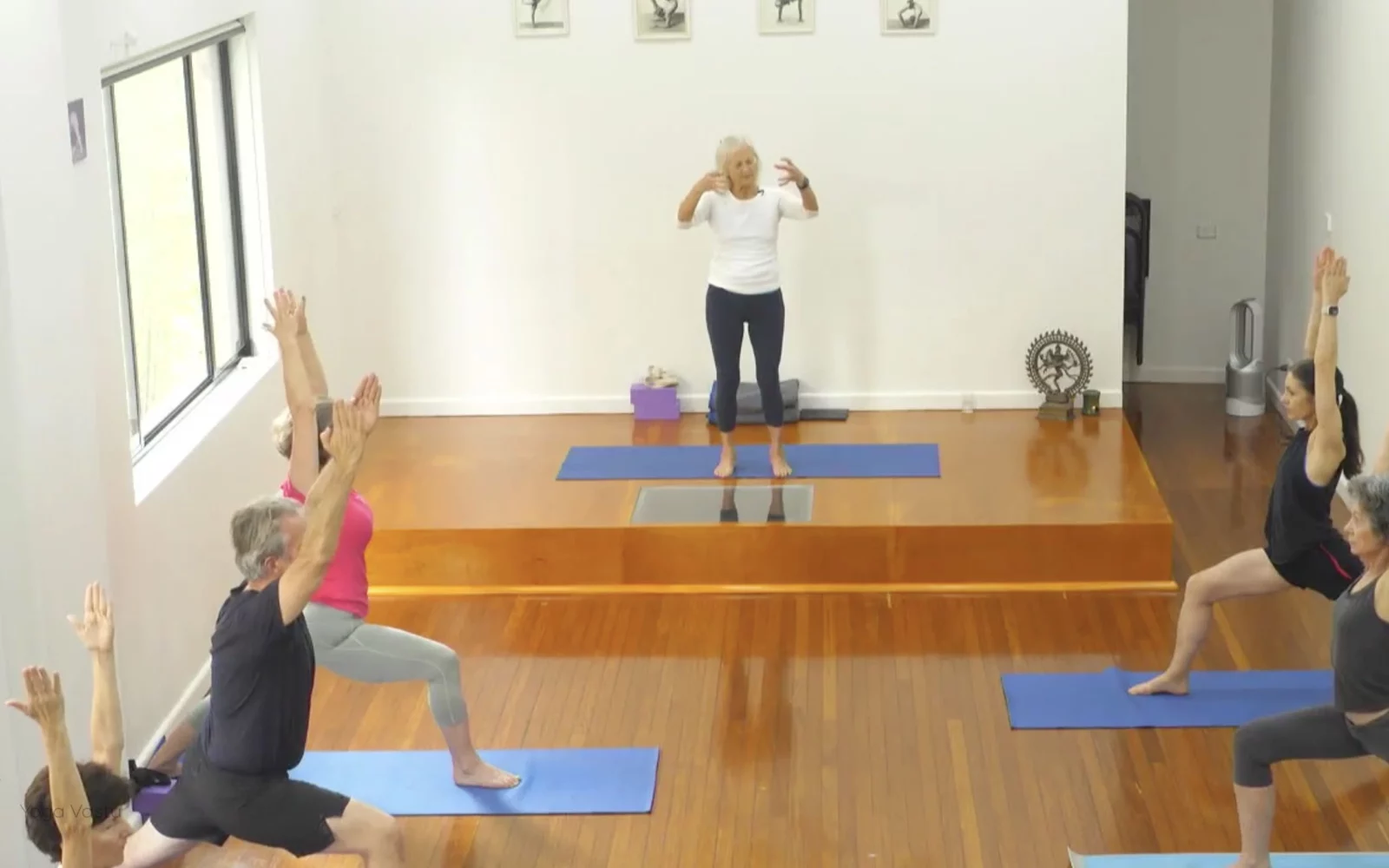
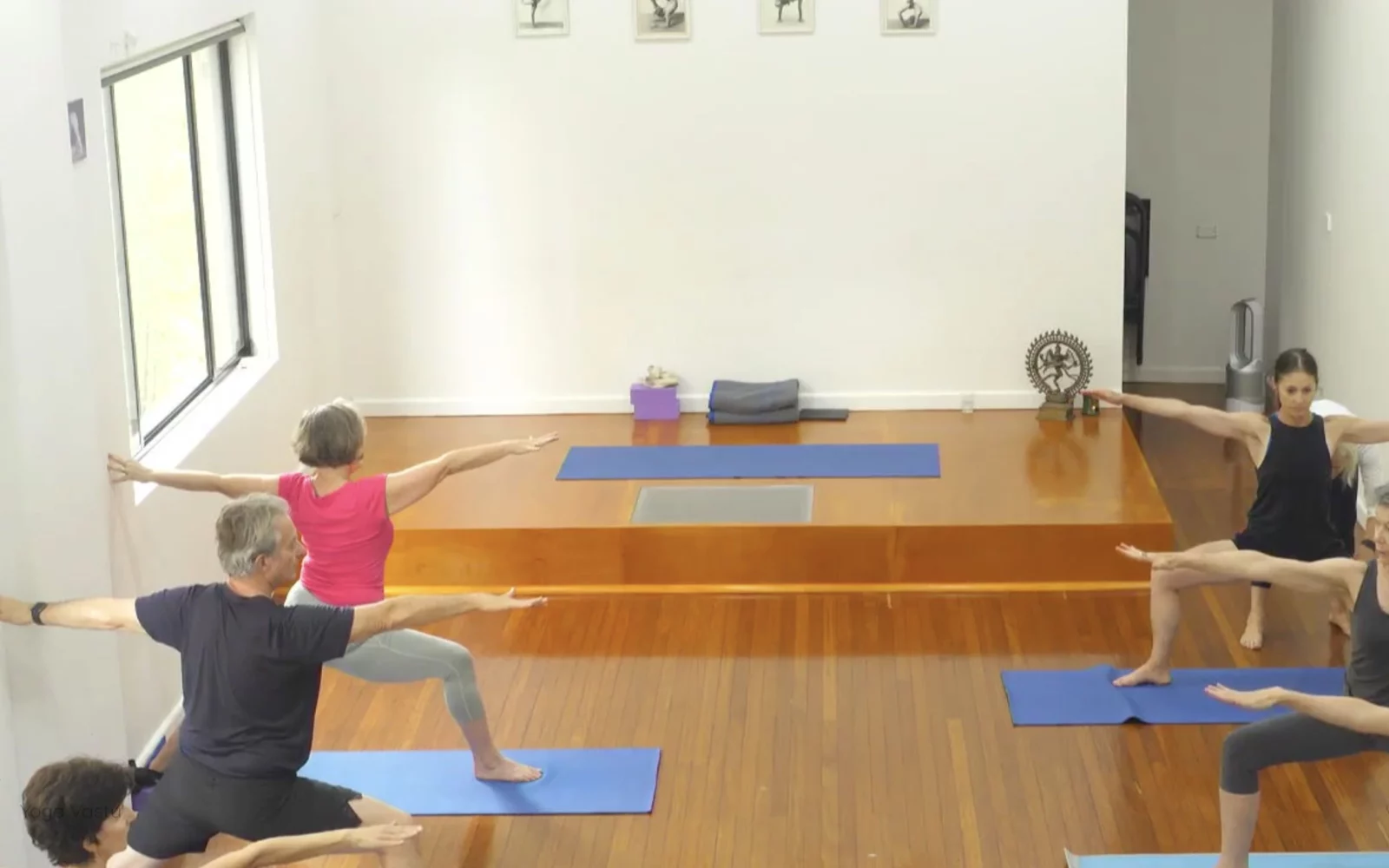
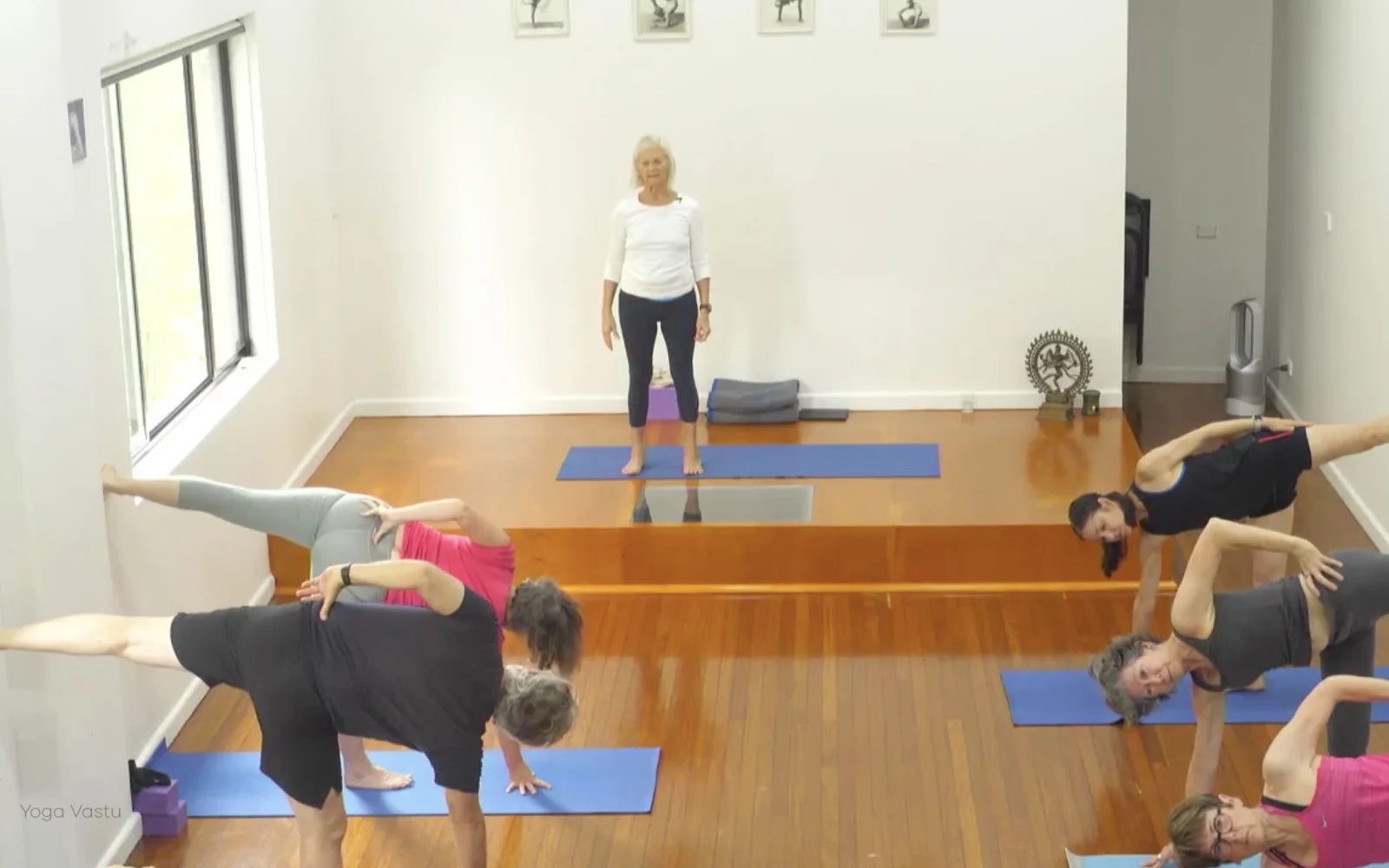
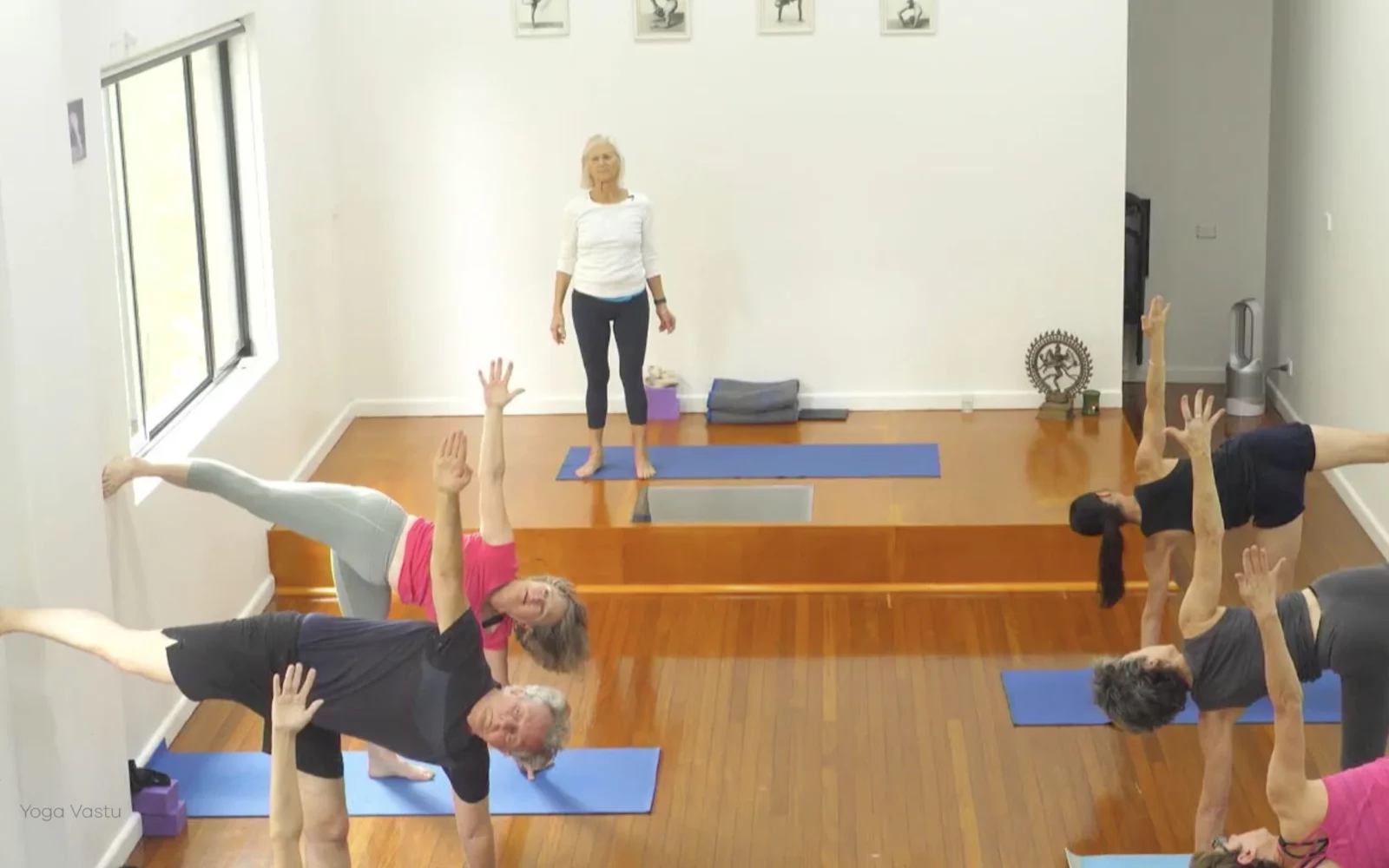
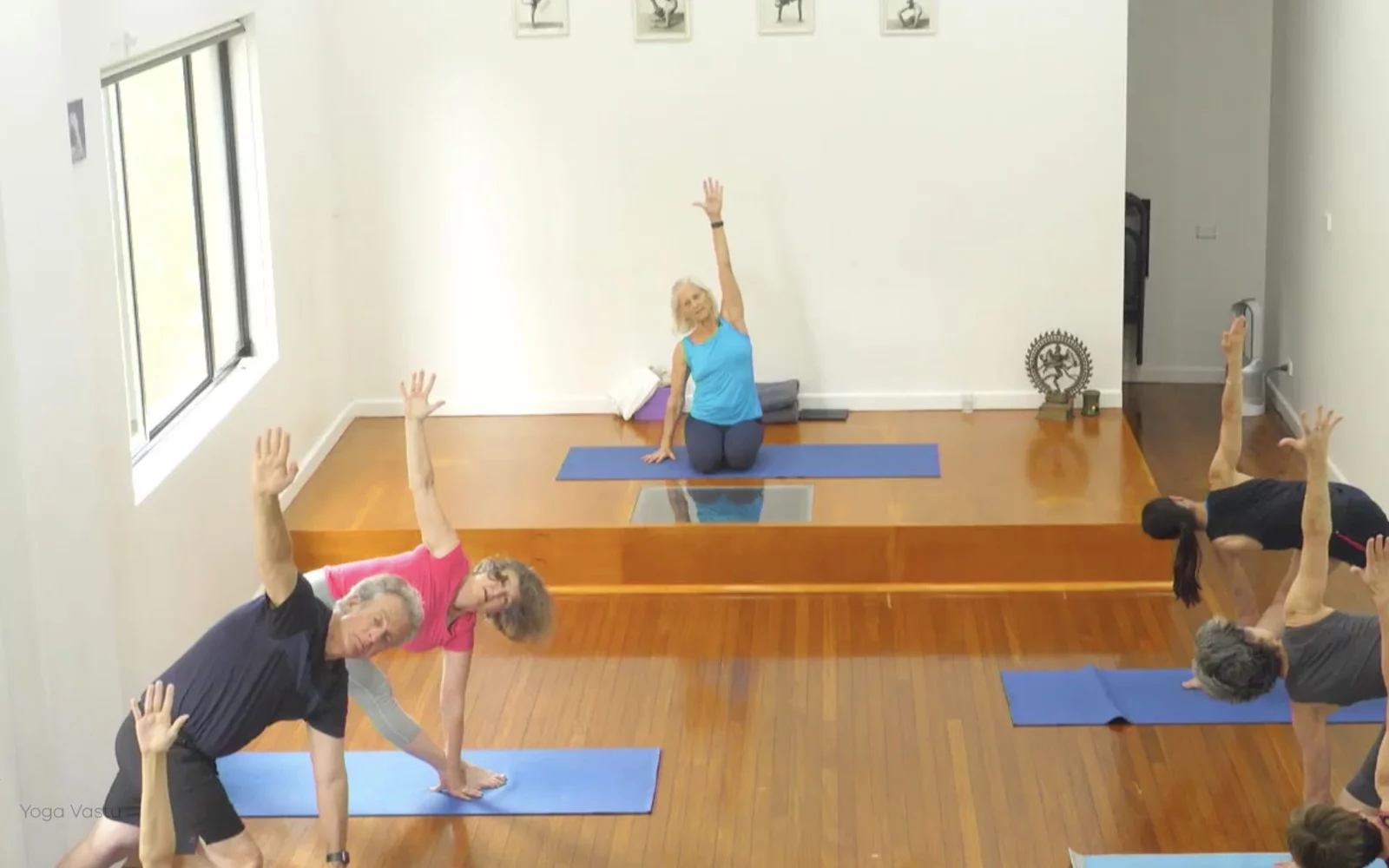
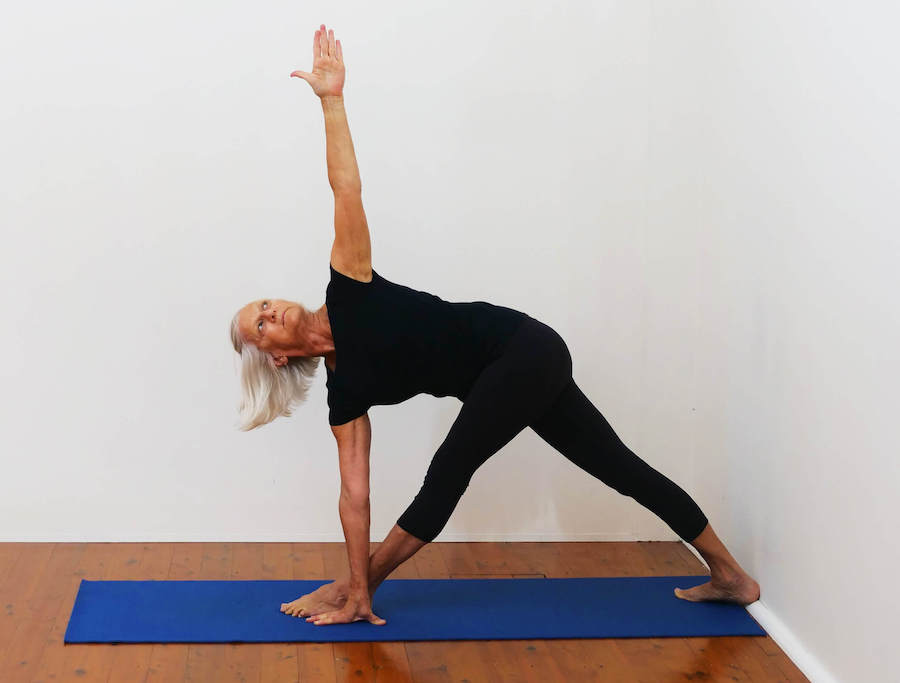
Now come the standing poses. Begin with Utthita Trikonasana, then come up into Virabhadrasana 1. Stretch your arms out parallel to the floor in Virabhadrasana 2, then step back into Uttanasana before going into Ardha Chandrasana with the foot against the wall. Then, come up into Tadasana. Take your arms up, then join the palms and bring them down in Namaskar. Step back into Parivritta Trikonasana.
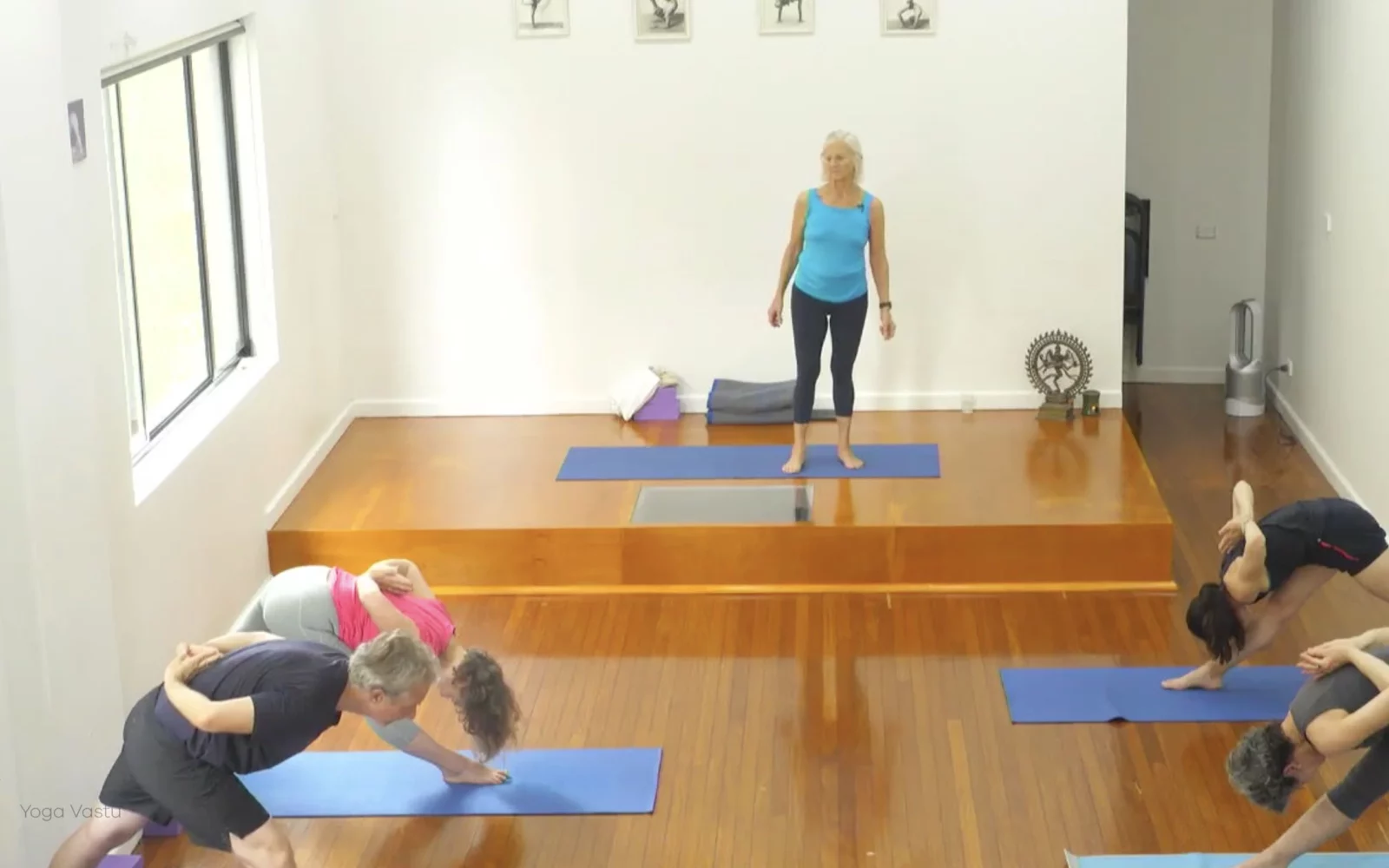
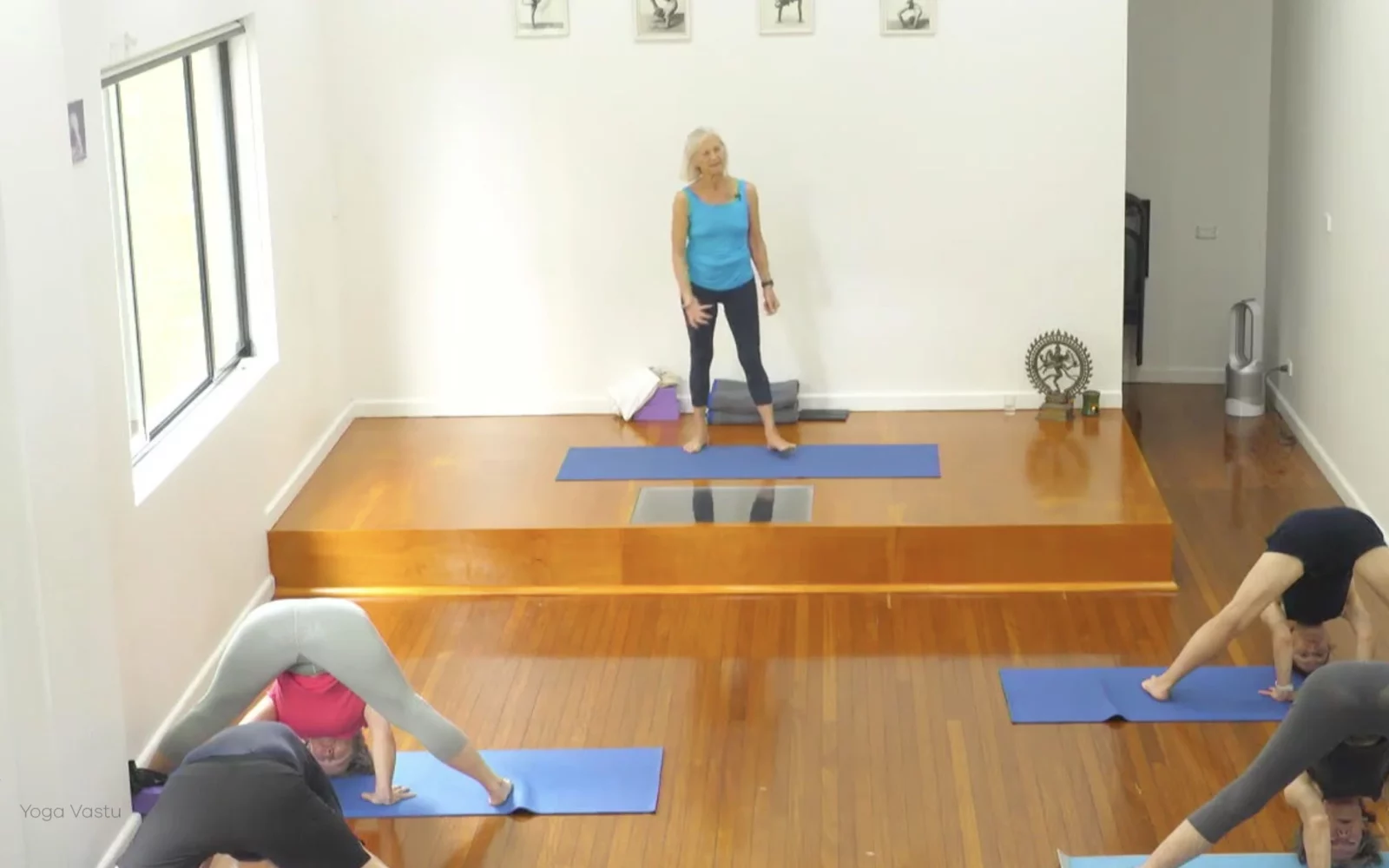
Come into Parsvottanasana. This is the culmination of the standing pose part of the class and we will spend some extra time in this pose, seeing how the hip opening we’ve been working on can be put to use and help us deepen a pose. As you bend forward, see if pulling your hip back a little allows you to fold deeper. It’s funny how sometimes it’s not a driving but a releasing movement that helps you go further forward. Come up and fold forward again but this time with your arms in Paschima Namaskar. Now play around with the same releasing action in Prasaritta Padottanasana. See how deep you can go.
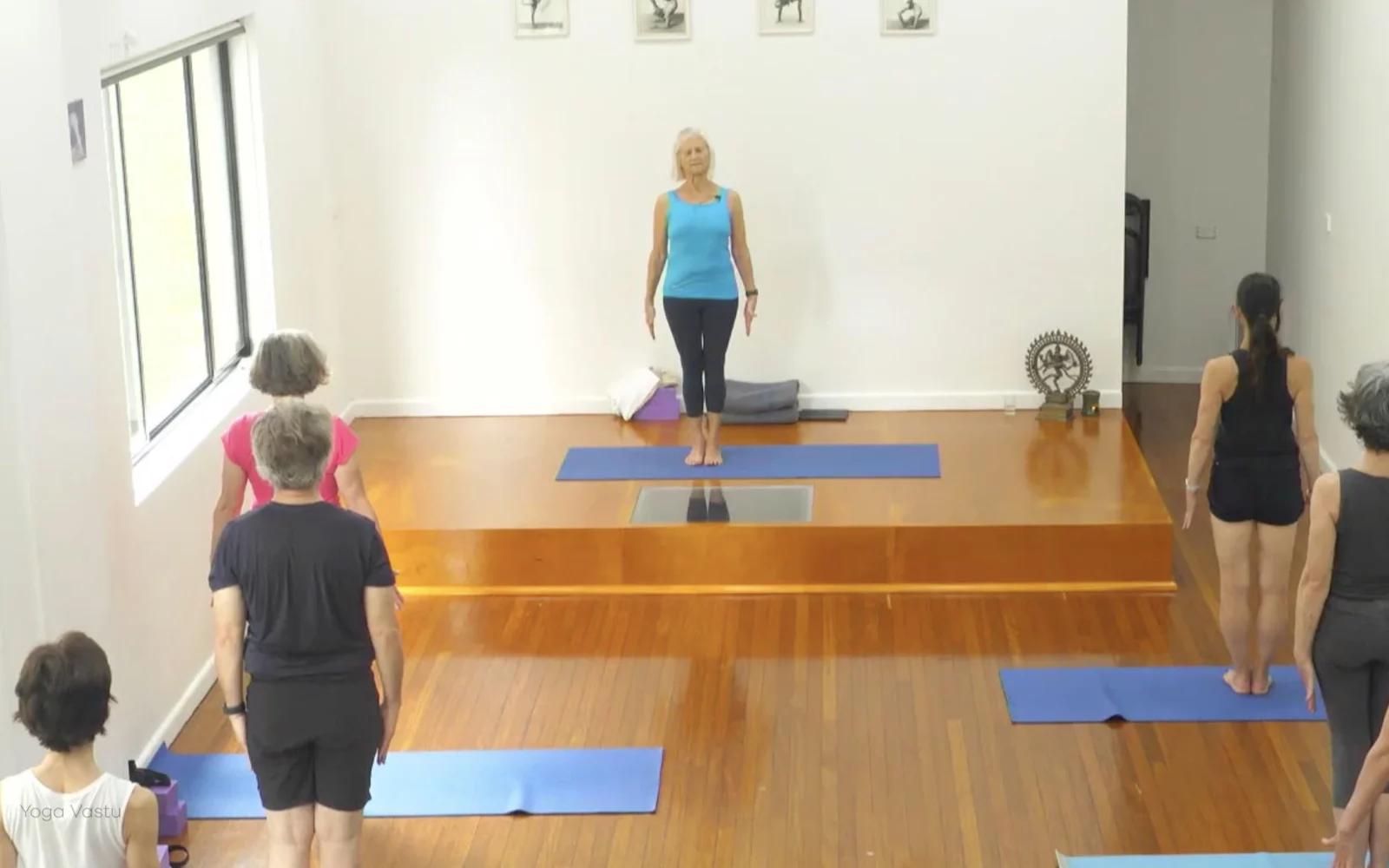
Stand back up in Tadasana: rebalance and scan the body. Get feedback through the soles of your feet, through the ways in which they come into contact with the floor.
Supta Virasana for a few breaths, then Virasana Forward. Rebalance, find your neutral space.
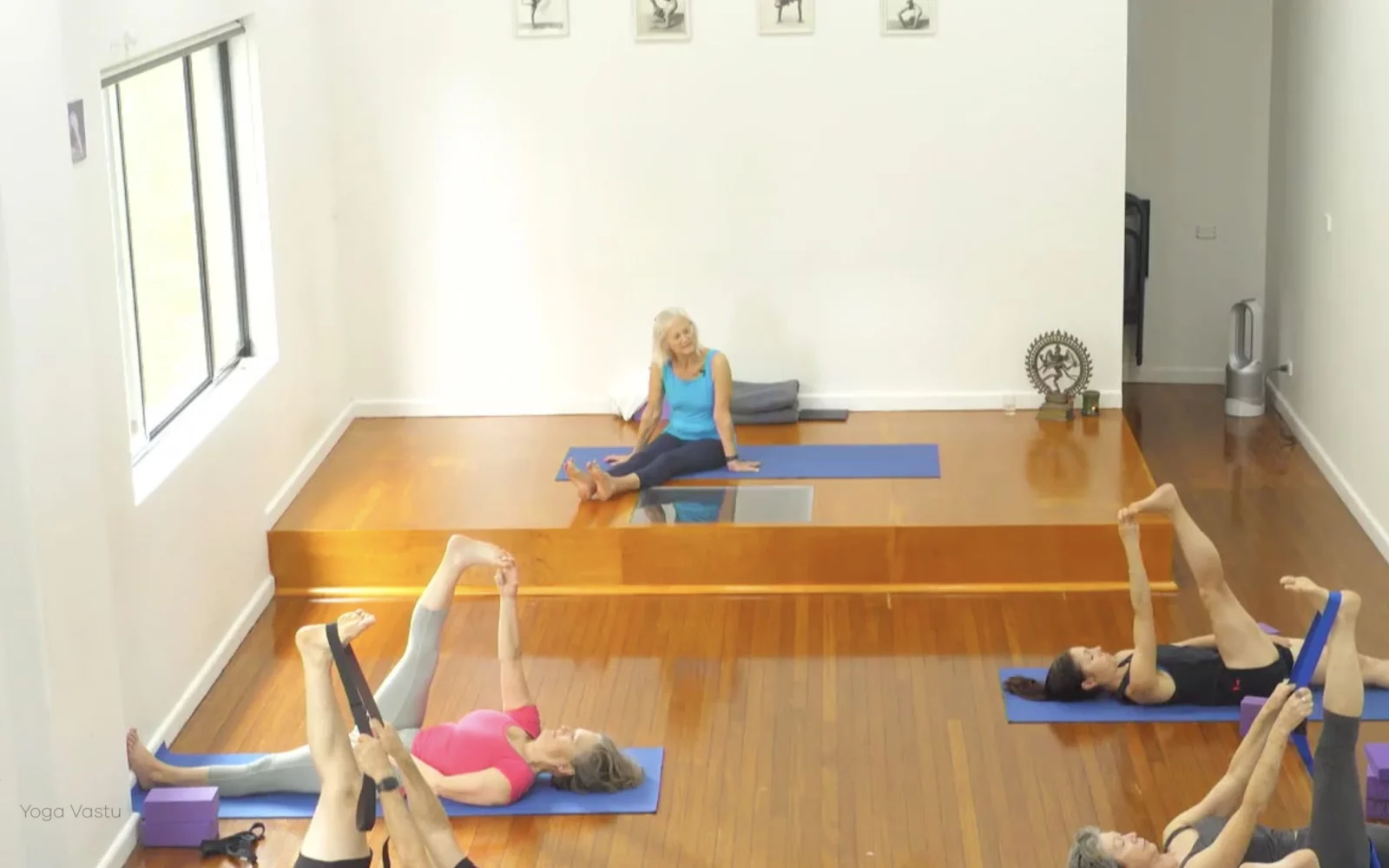
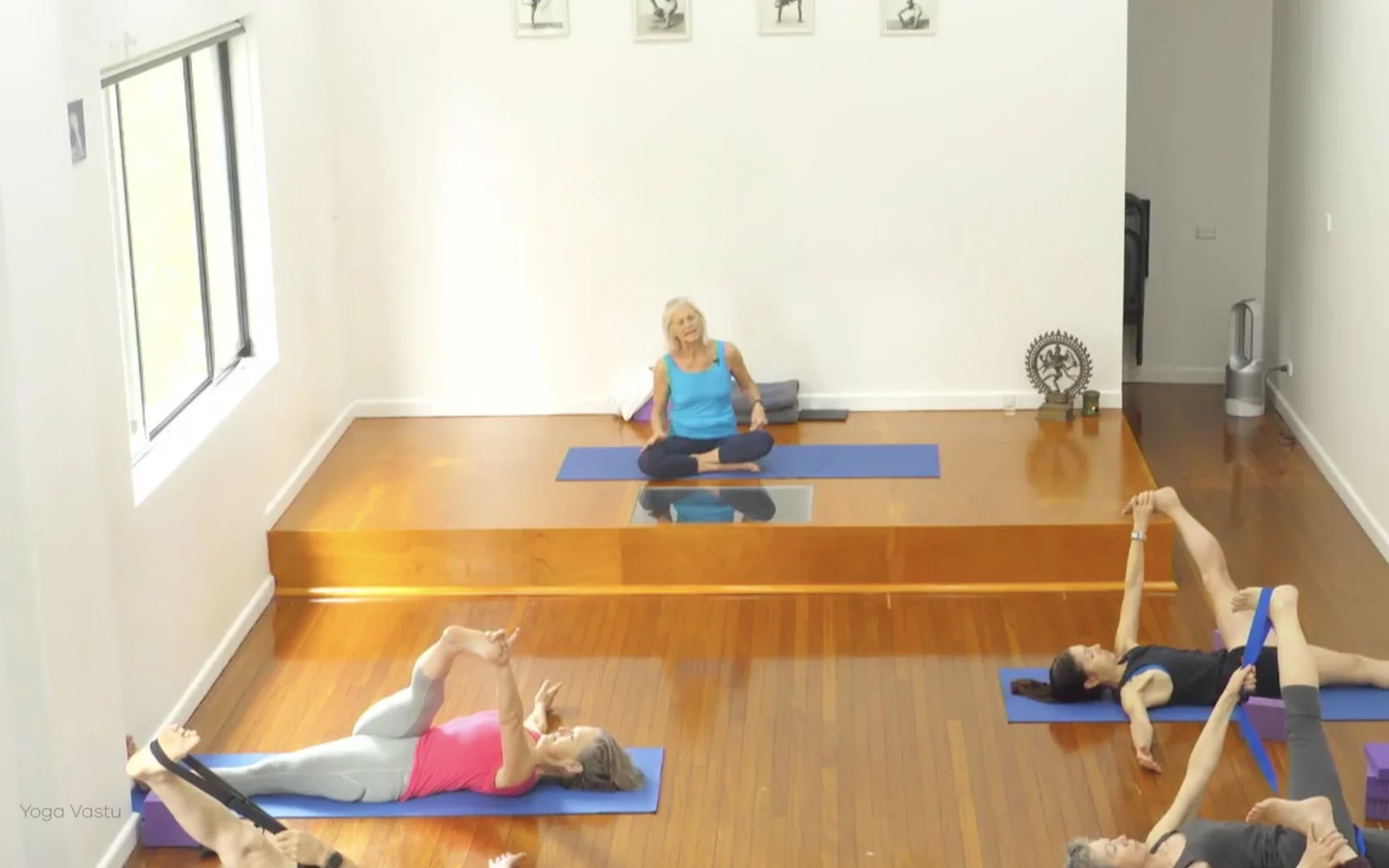
Now we’ll go through a sequence of Supta Padangusthasana 1, 2, and 3 with a belt. In these poses, return to the actions of Parsvottanasana; let the conclusions you’ve come to earlier in the class guide you.
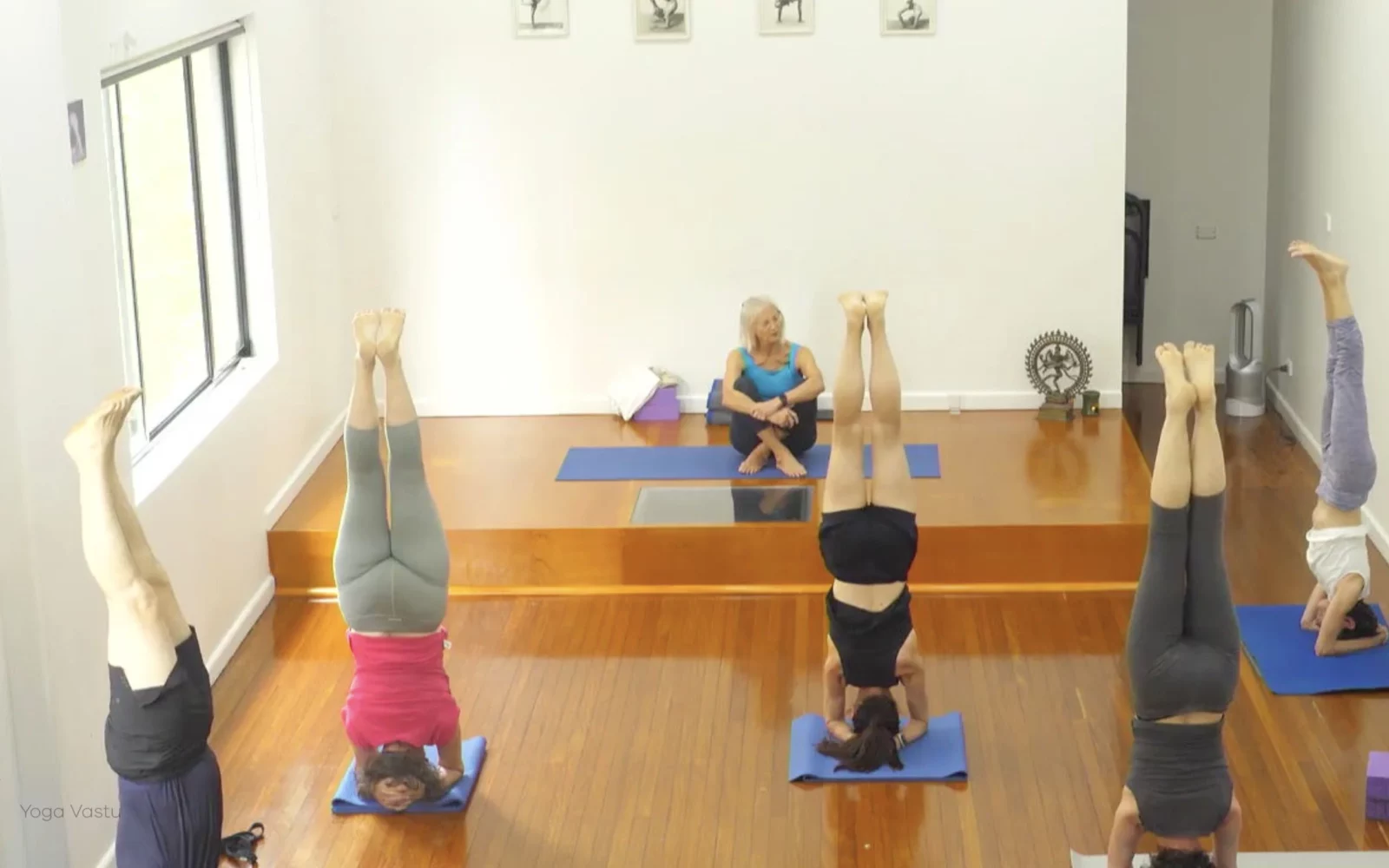
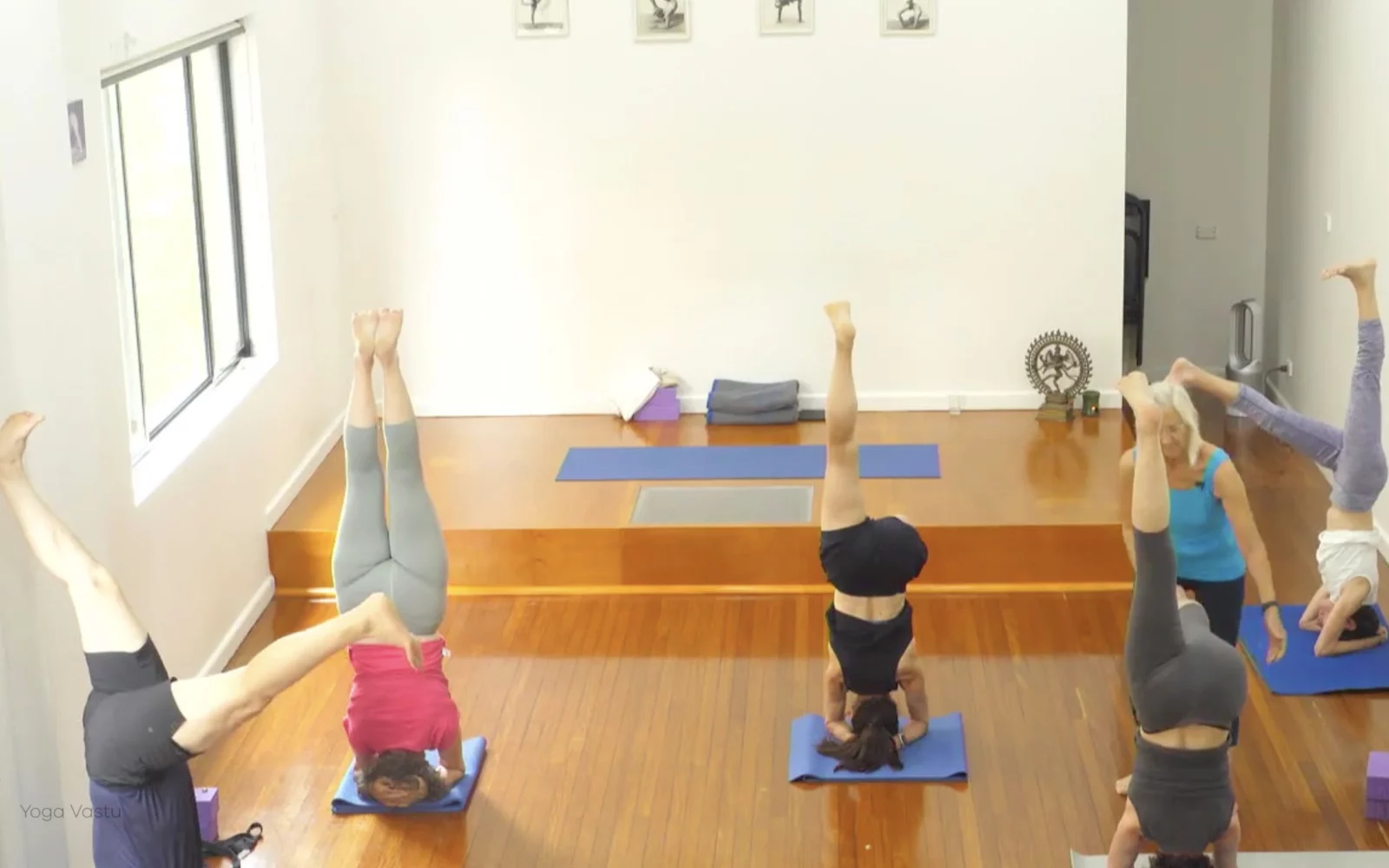
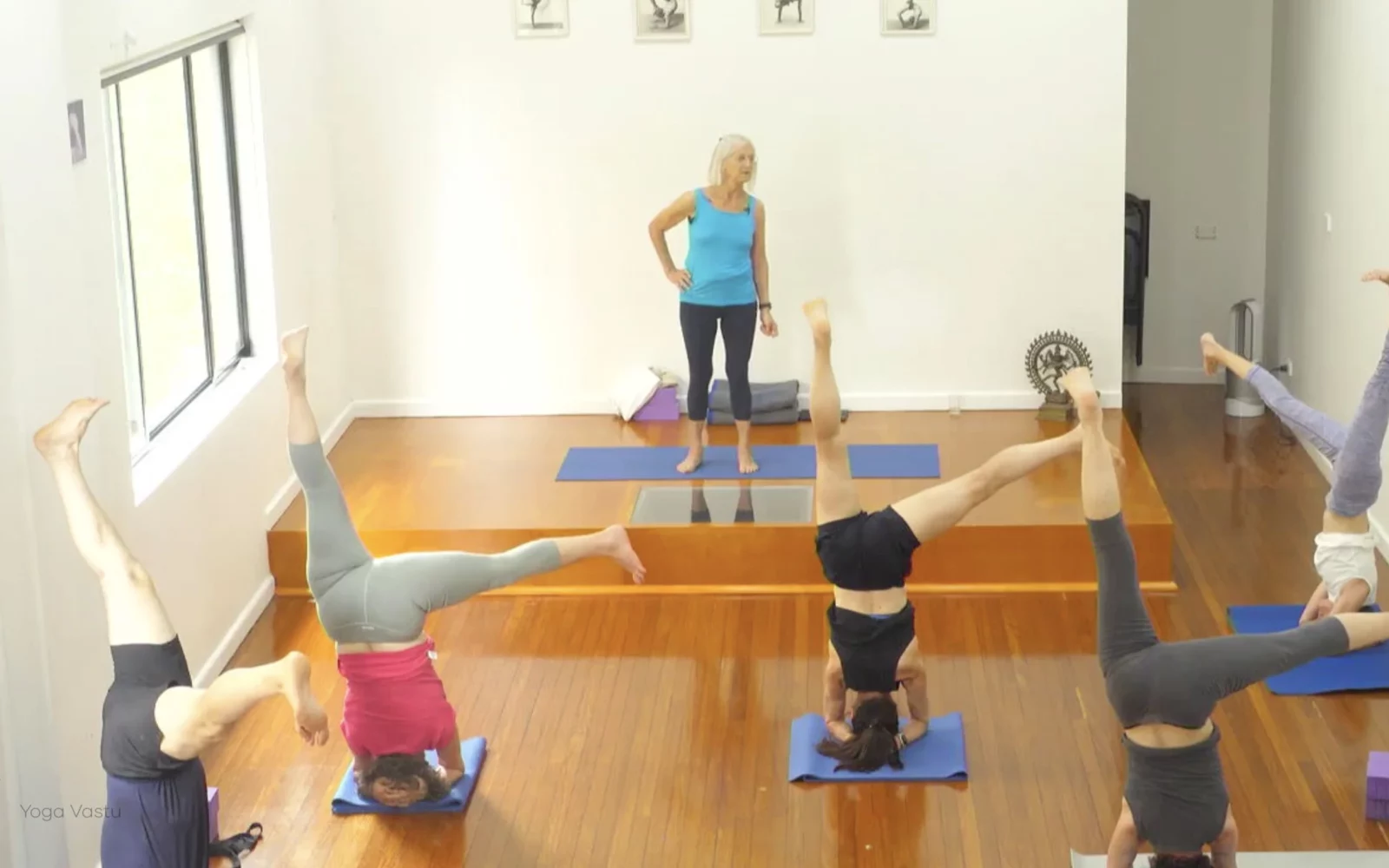
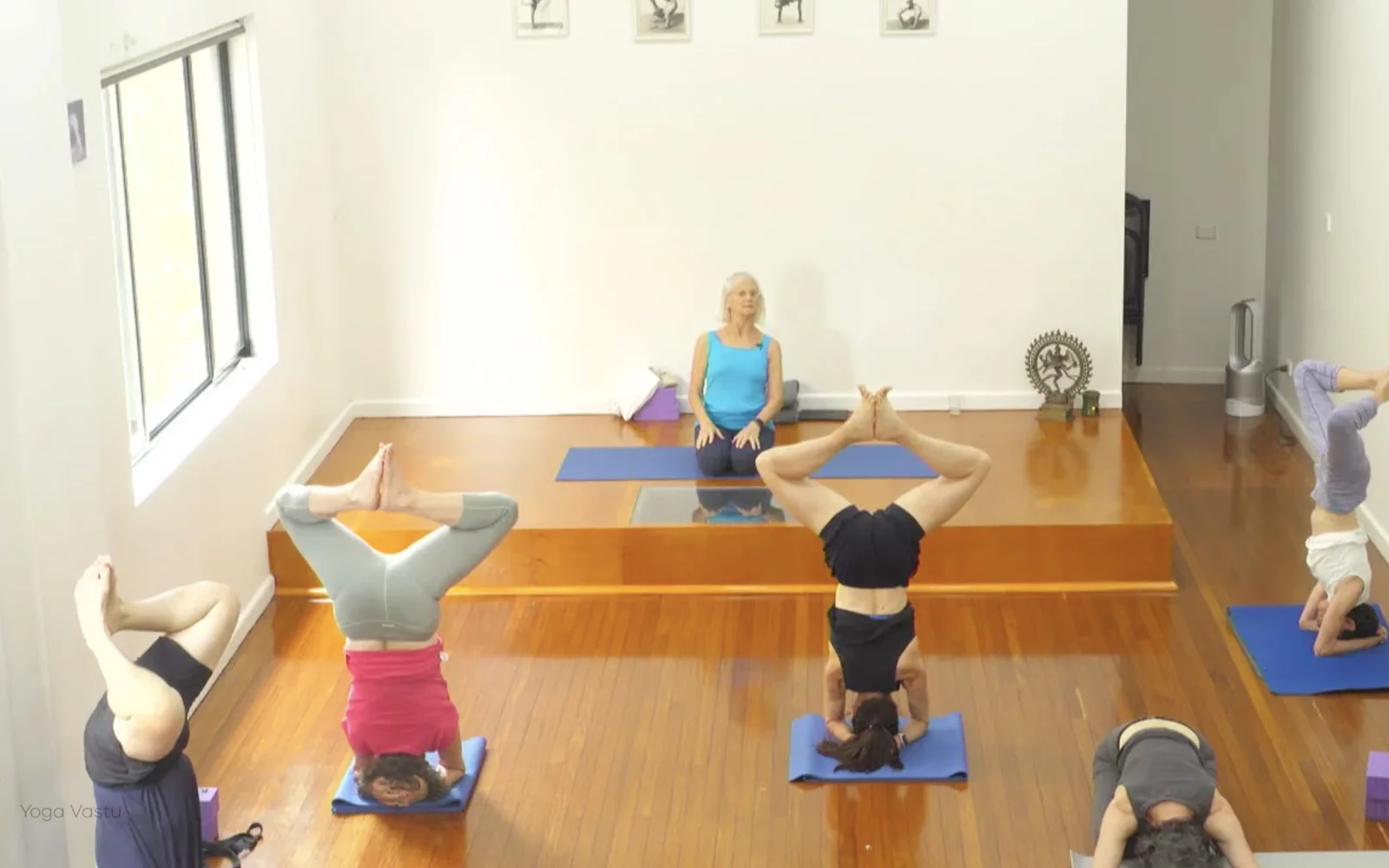
Then, come up into Sirsasana. We’ll do a few variations: the full pose, single-legged, one leg to the side, and Baddha Konasana legs. Come into Virasana Forward. Remain active, don’t let yourself slump in this pose. Feel your spine.
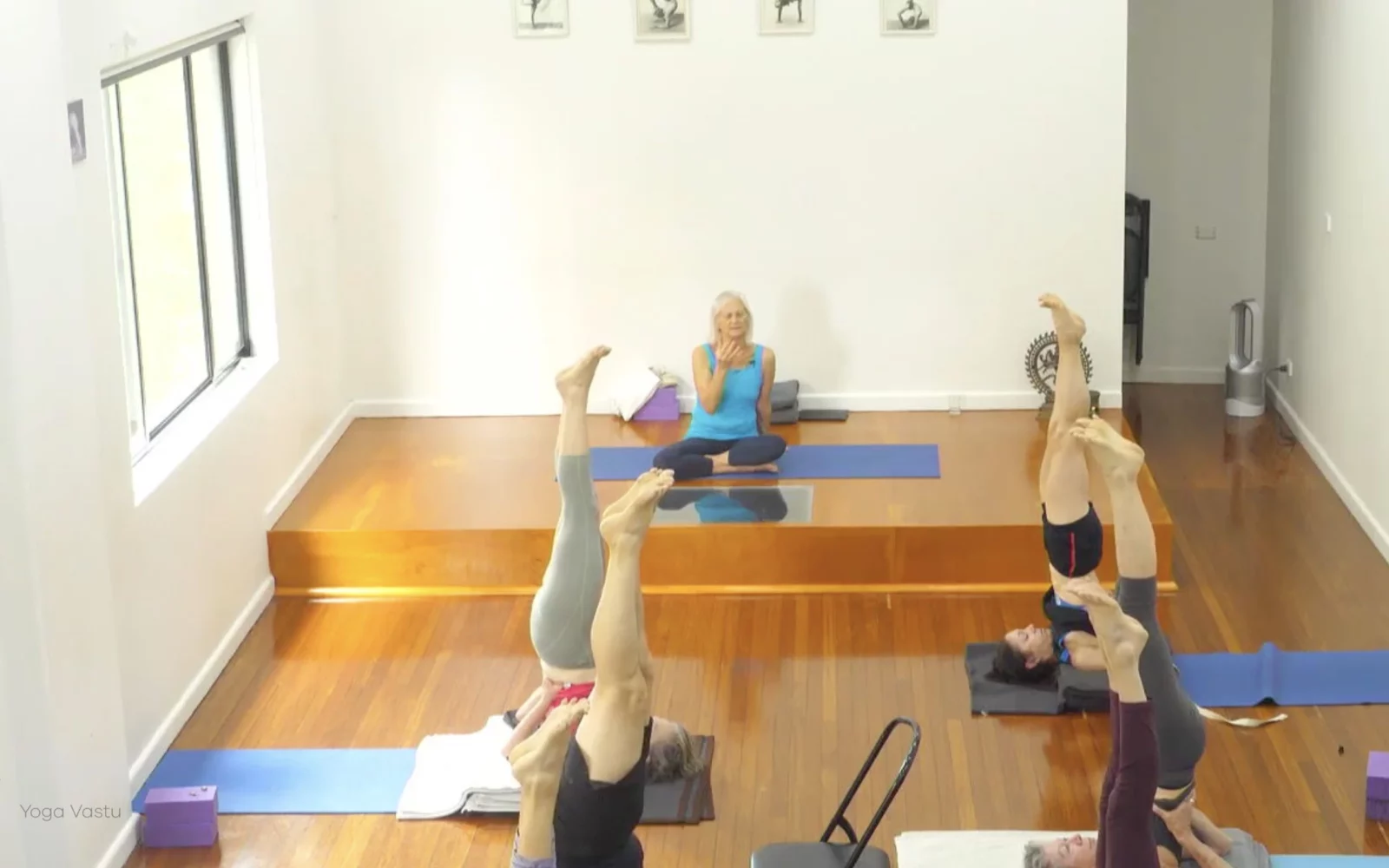
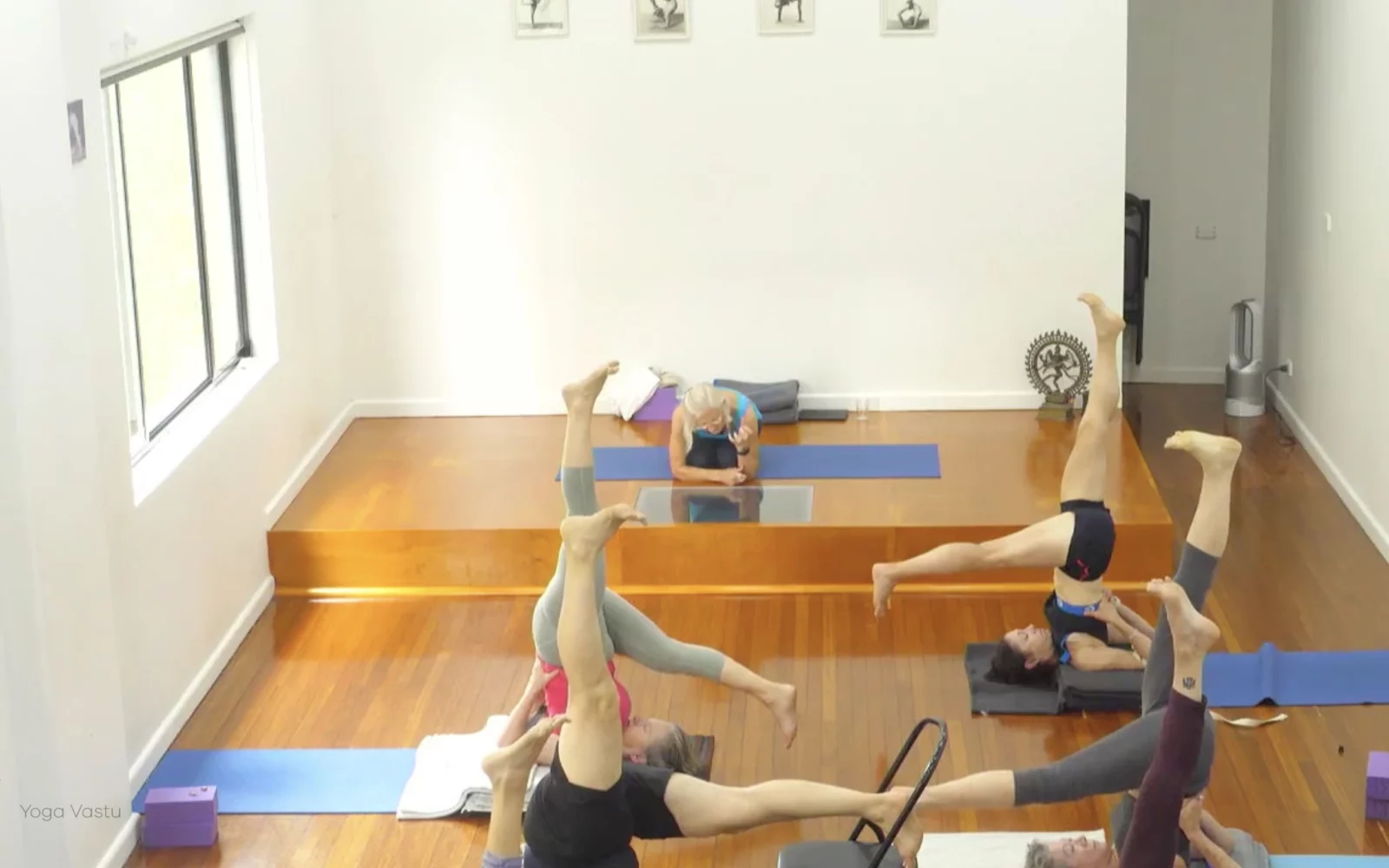
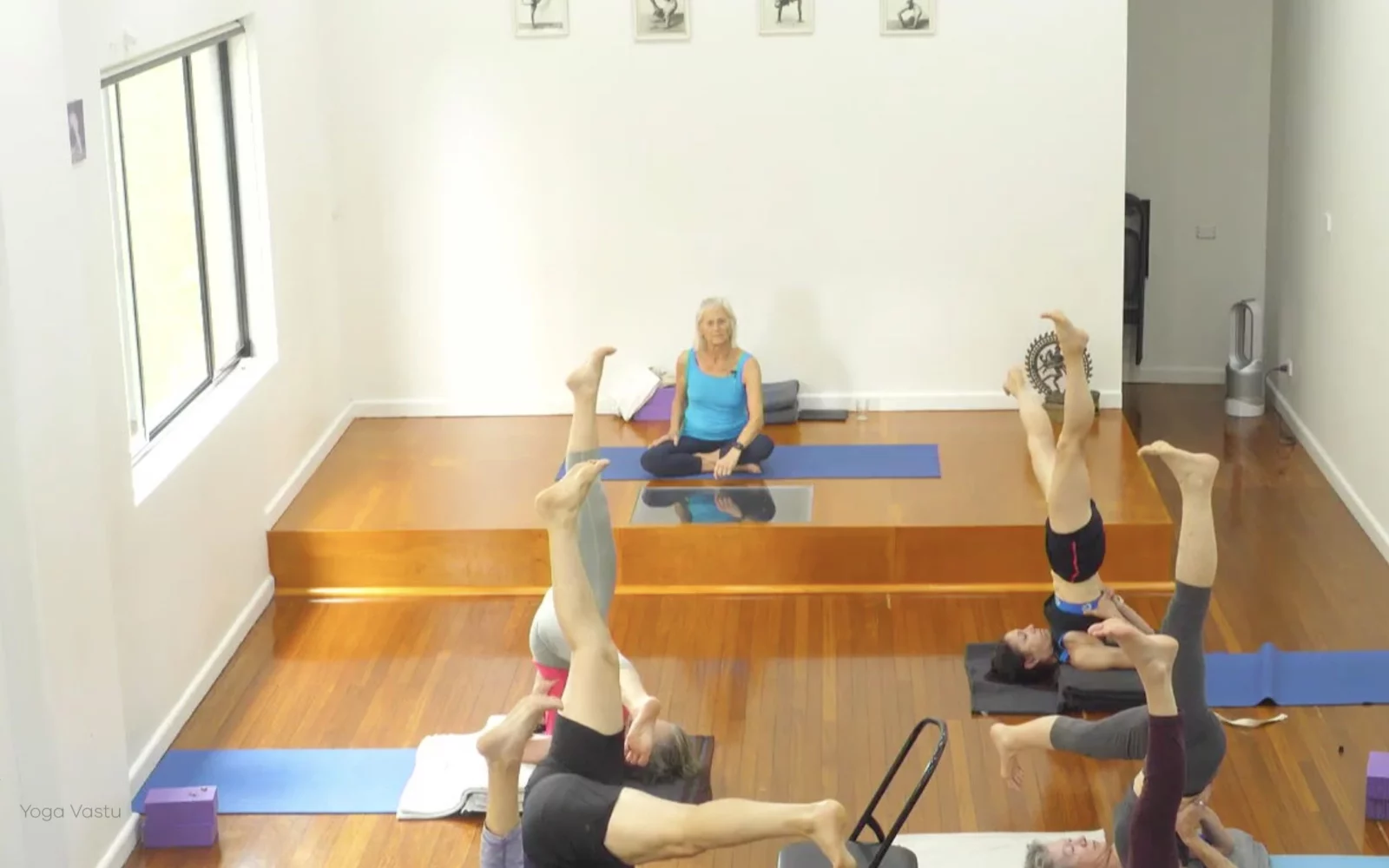
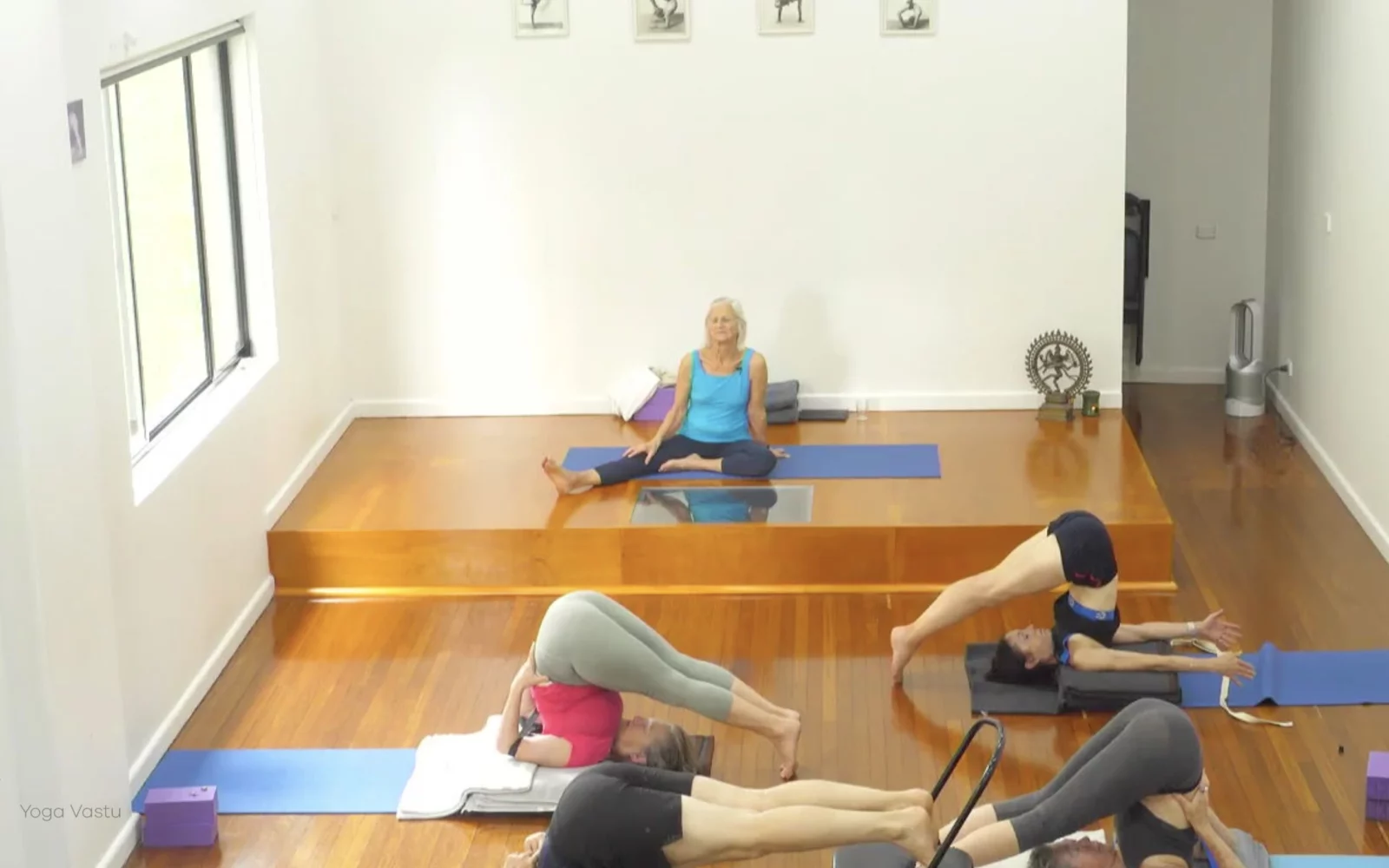
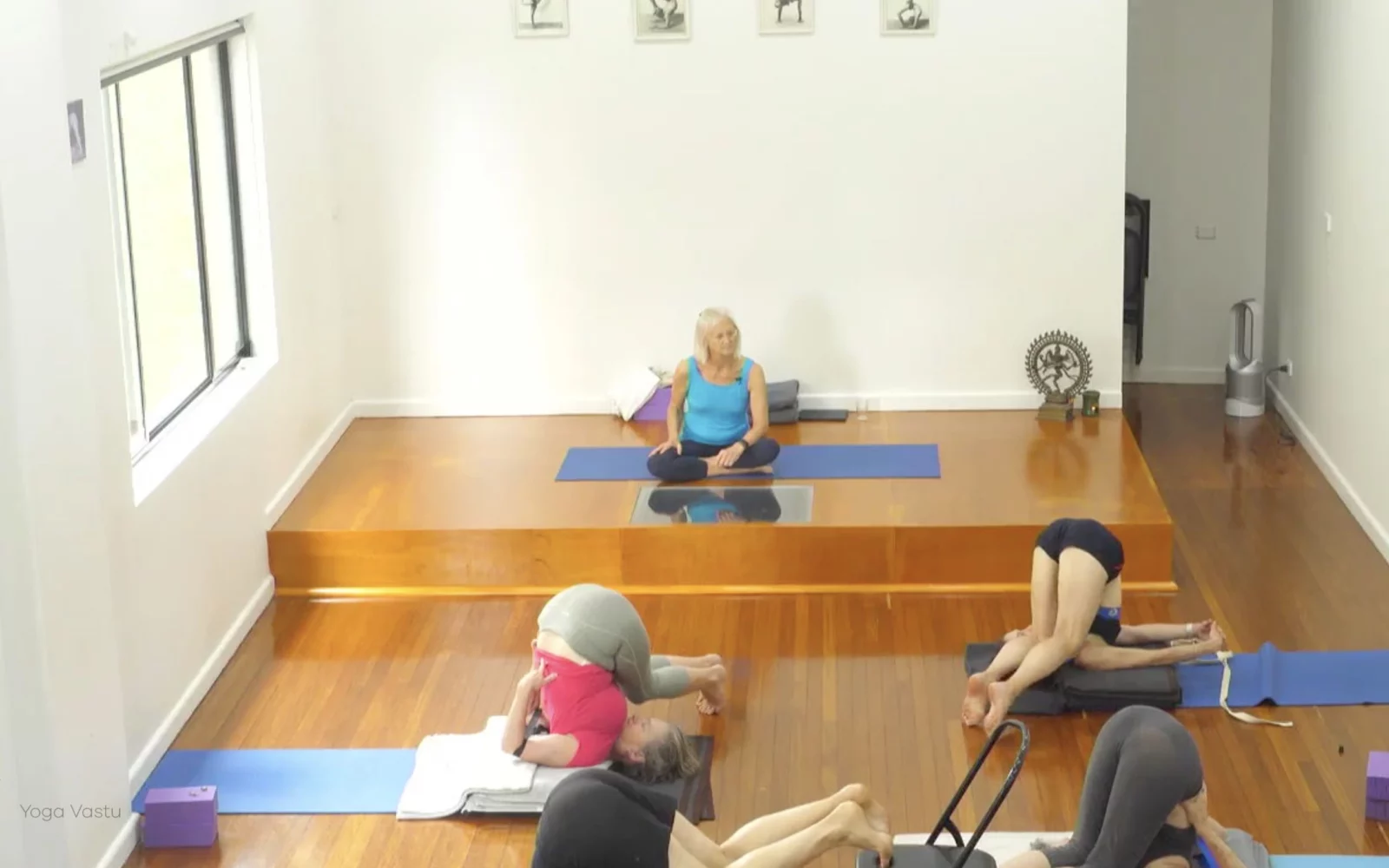
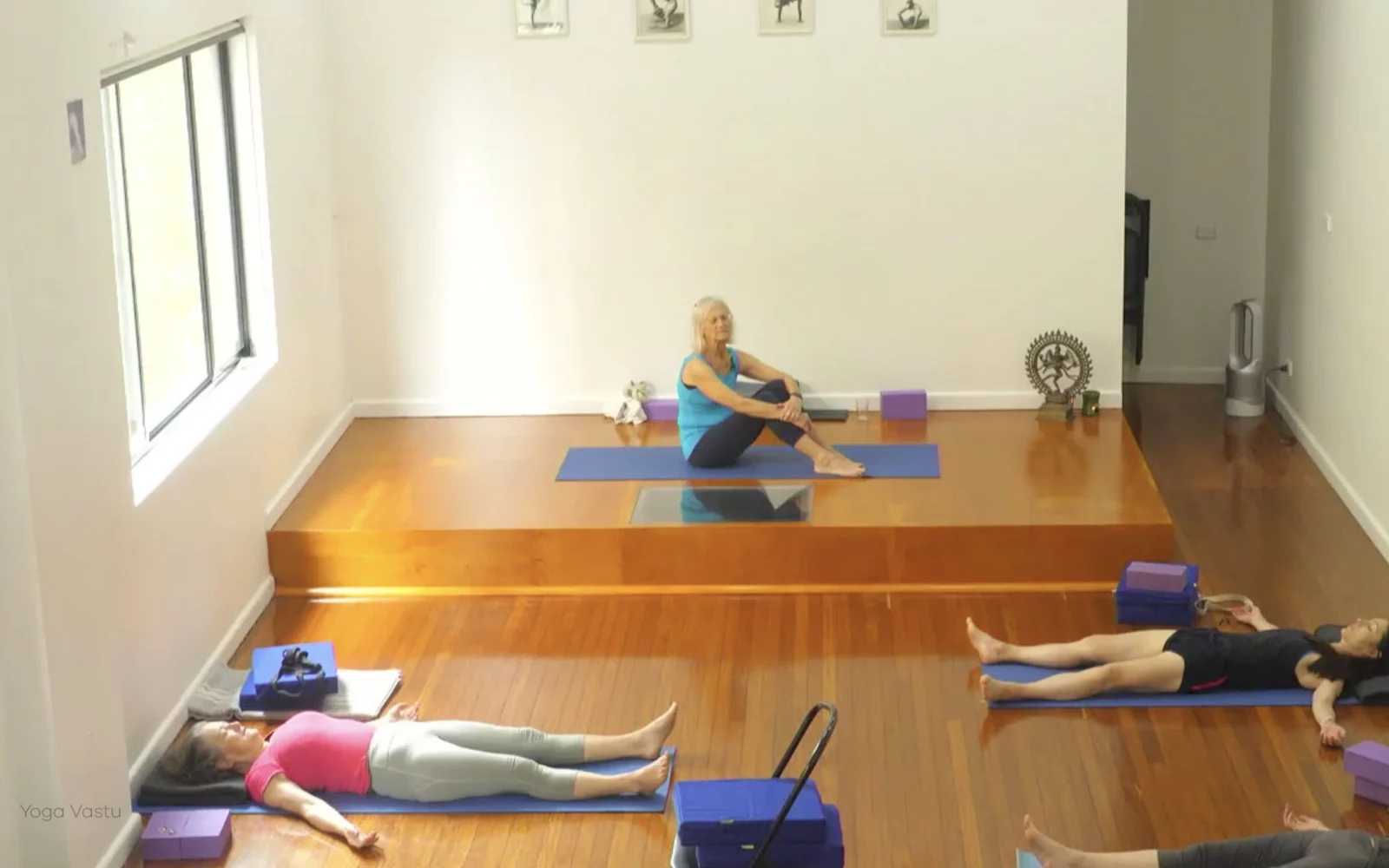
Then, Sarvangasana: full pose, single leg, one leg to the side. Then, Halasana, including the side variation. Karna Pidasana to release the tension in the spine. Sit up in Triang Mukha Eka Pada Paschimottanasana to take stock of your hips for the last time in this session and lay back in Savasana for your final meditation.
Video stills from this sequence