tttanYoga can be seen as the practice of getting out of one’s own way. In this restorative and pranayama class, we explore this concept.
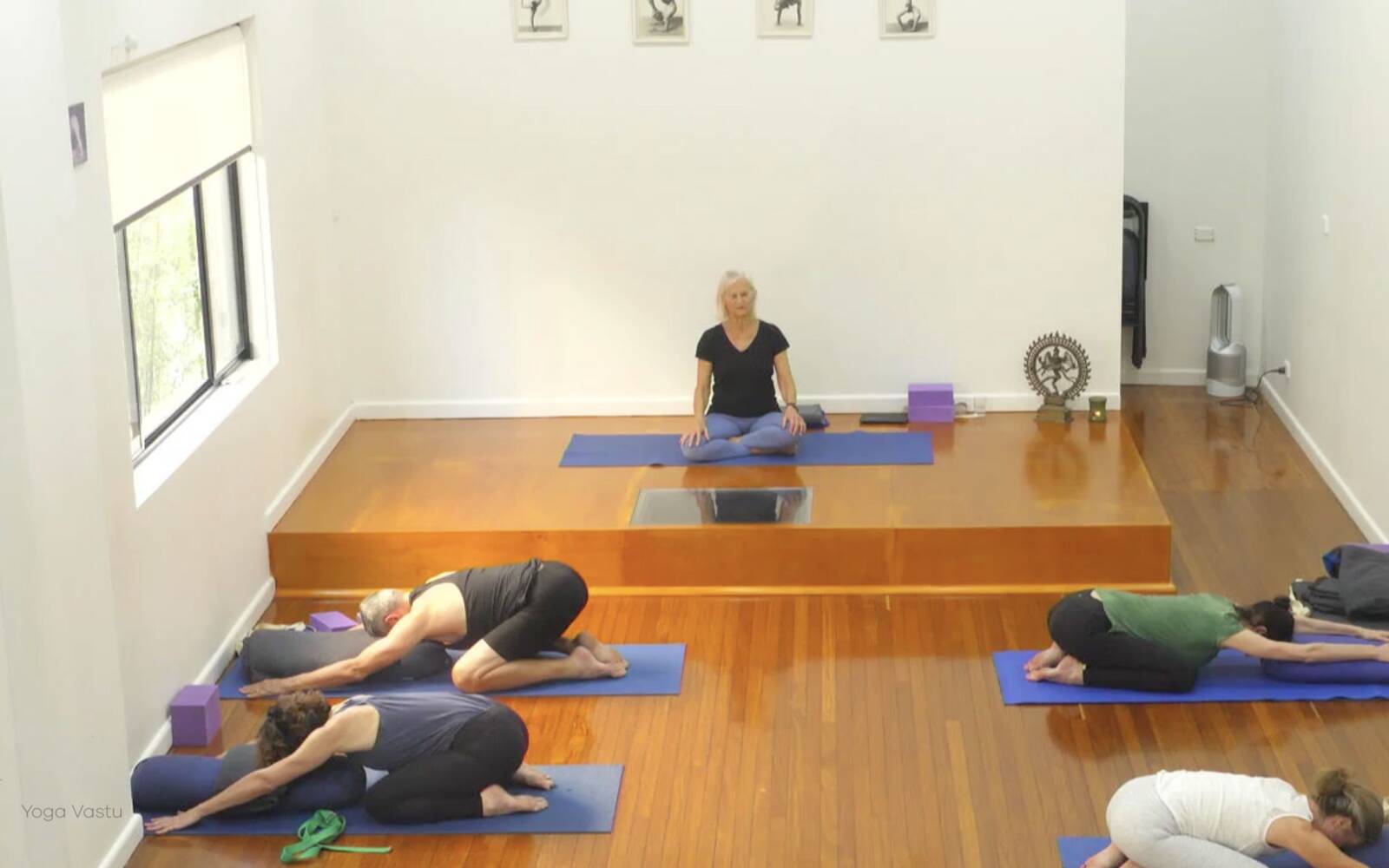
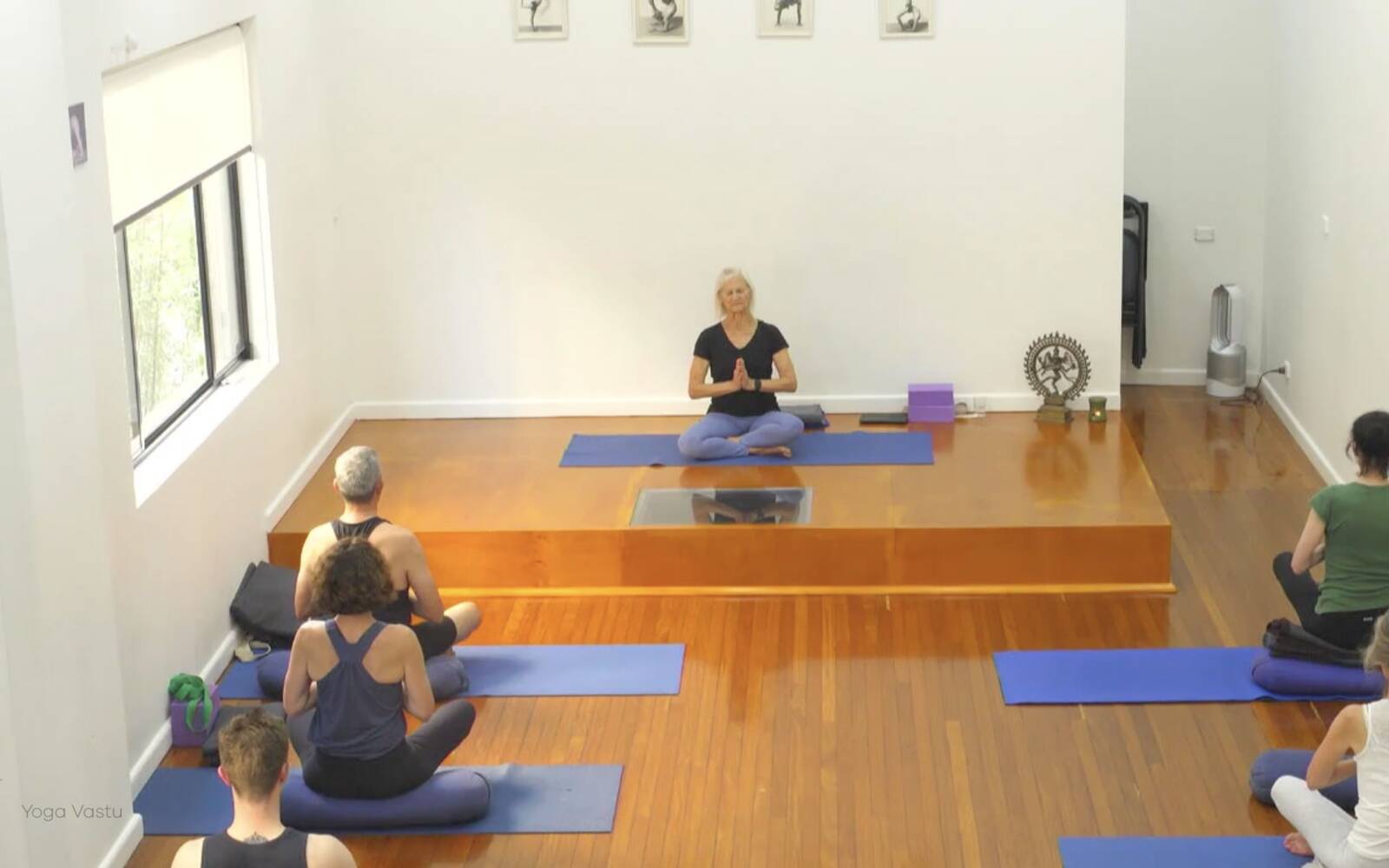
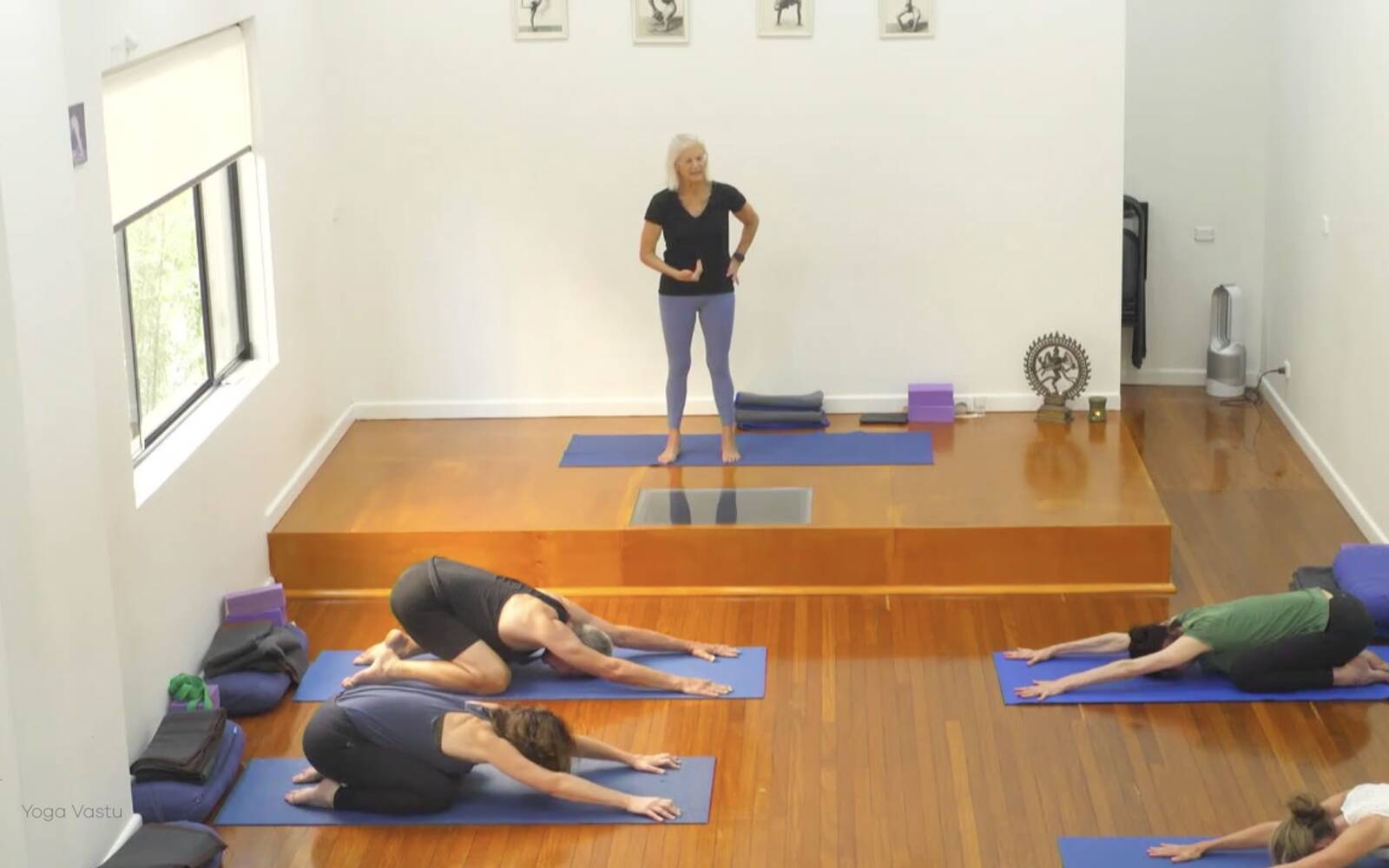
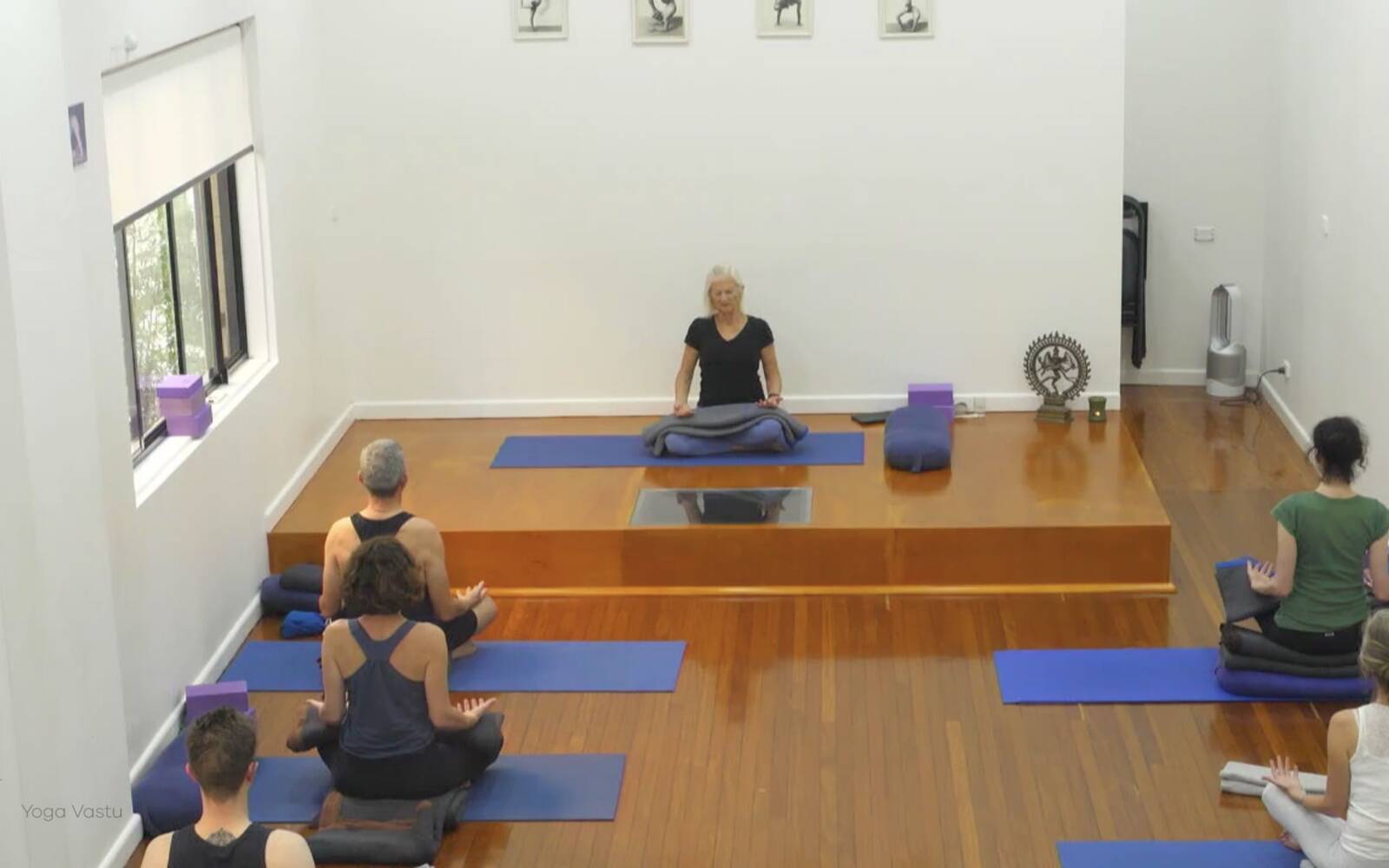
We begin in Virasana Forward, then sit up in simple cross legs for the invocations. While we do this, we have a chance to soften the face and throat – developing and maintaining softness is be a big theme of this class.
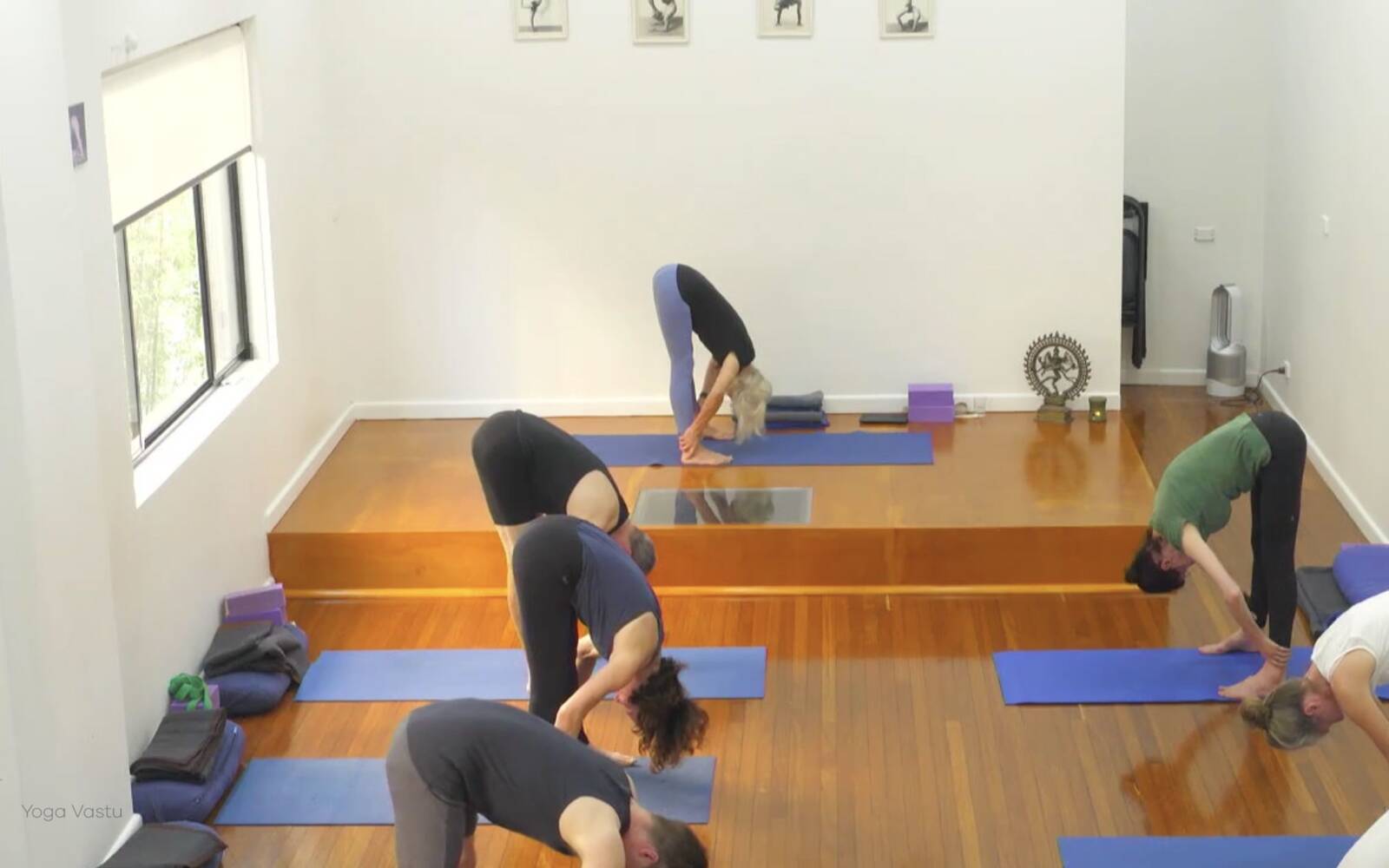
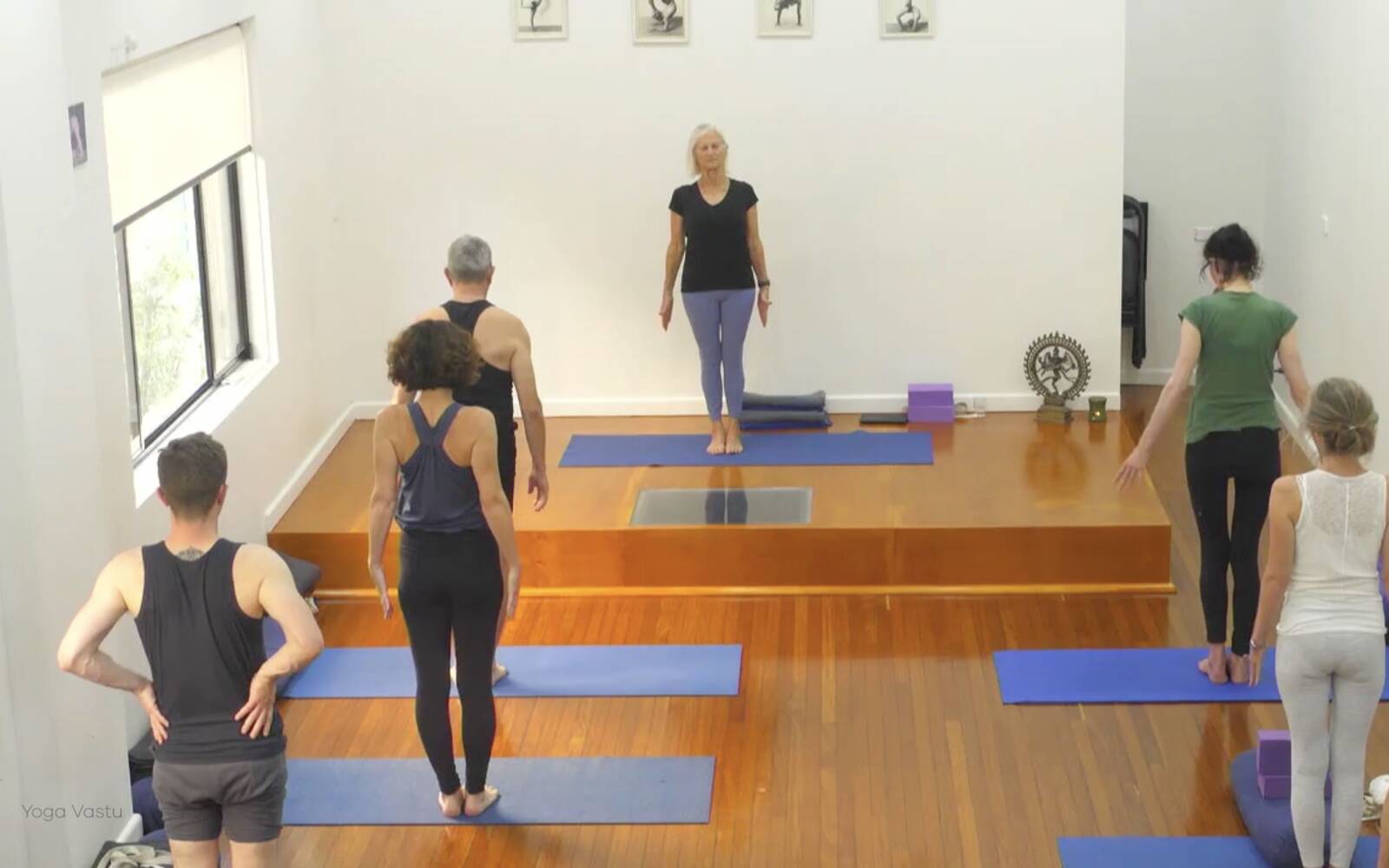
We stand up for Uttanasana. As you bend into the pose, focus on your back body as it activates – it should feel as if you’re coloring in the backs of your legs. Feel the lengthening in your spine but also work on maintaining the softness in your throat and face.
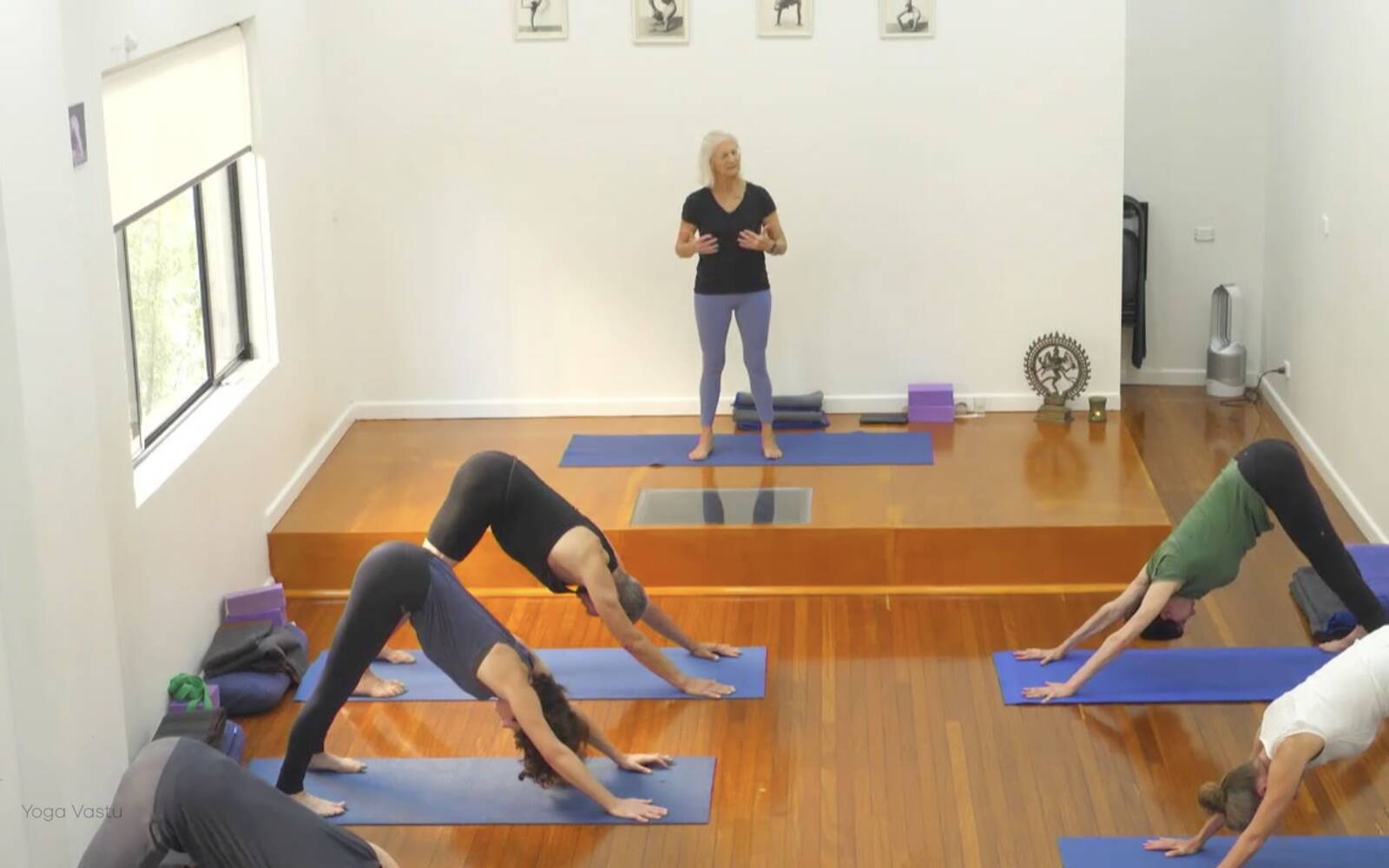
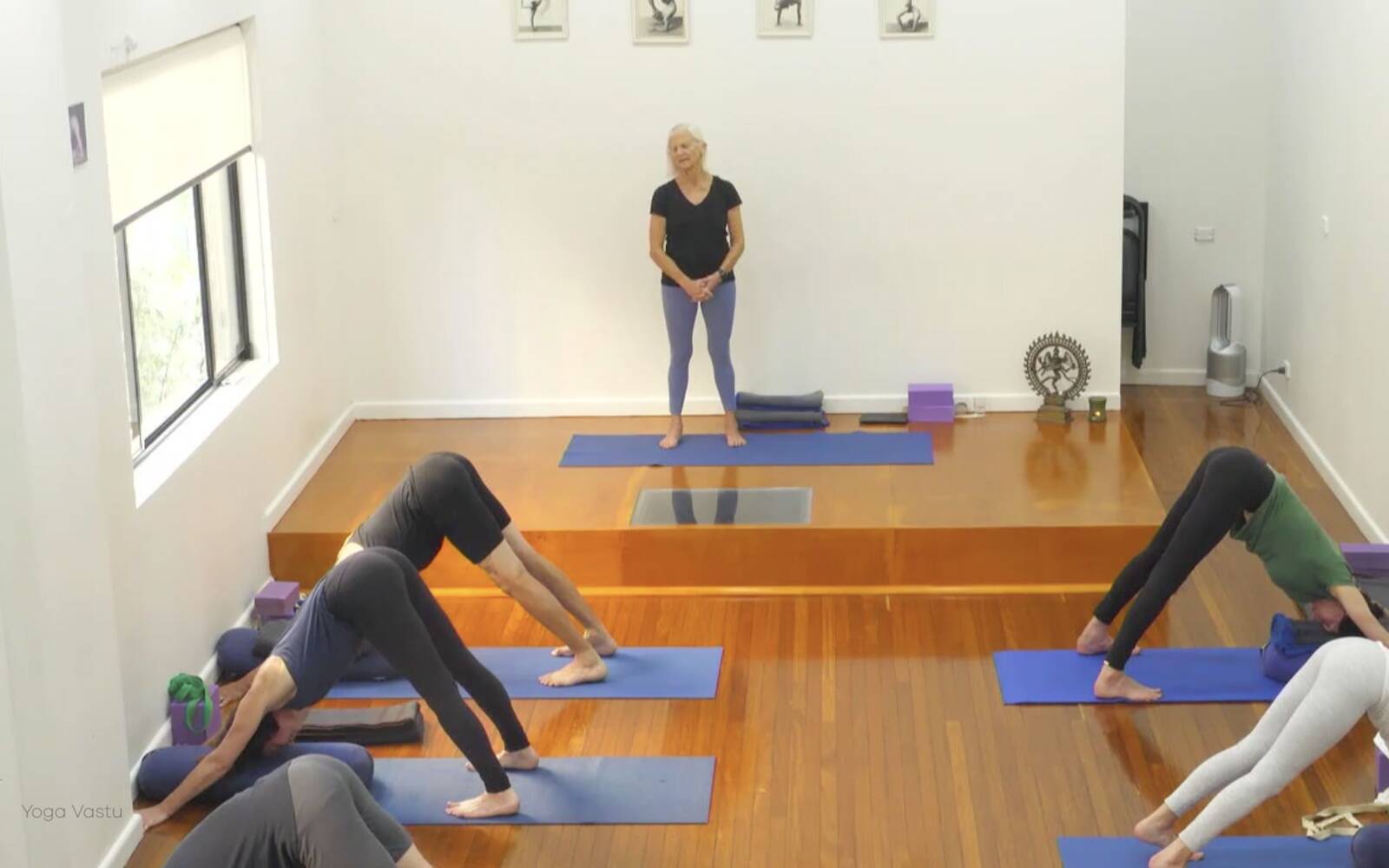
Extend into Adho Mukha Svanasana. You’re looking to distribute the load and bring balance into your efforts. Make sure you’re not putting too much strain on your arms or any other part of your body.
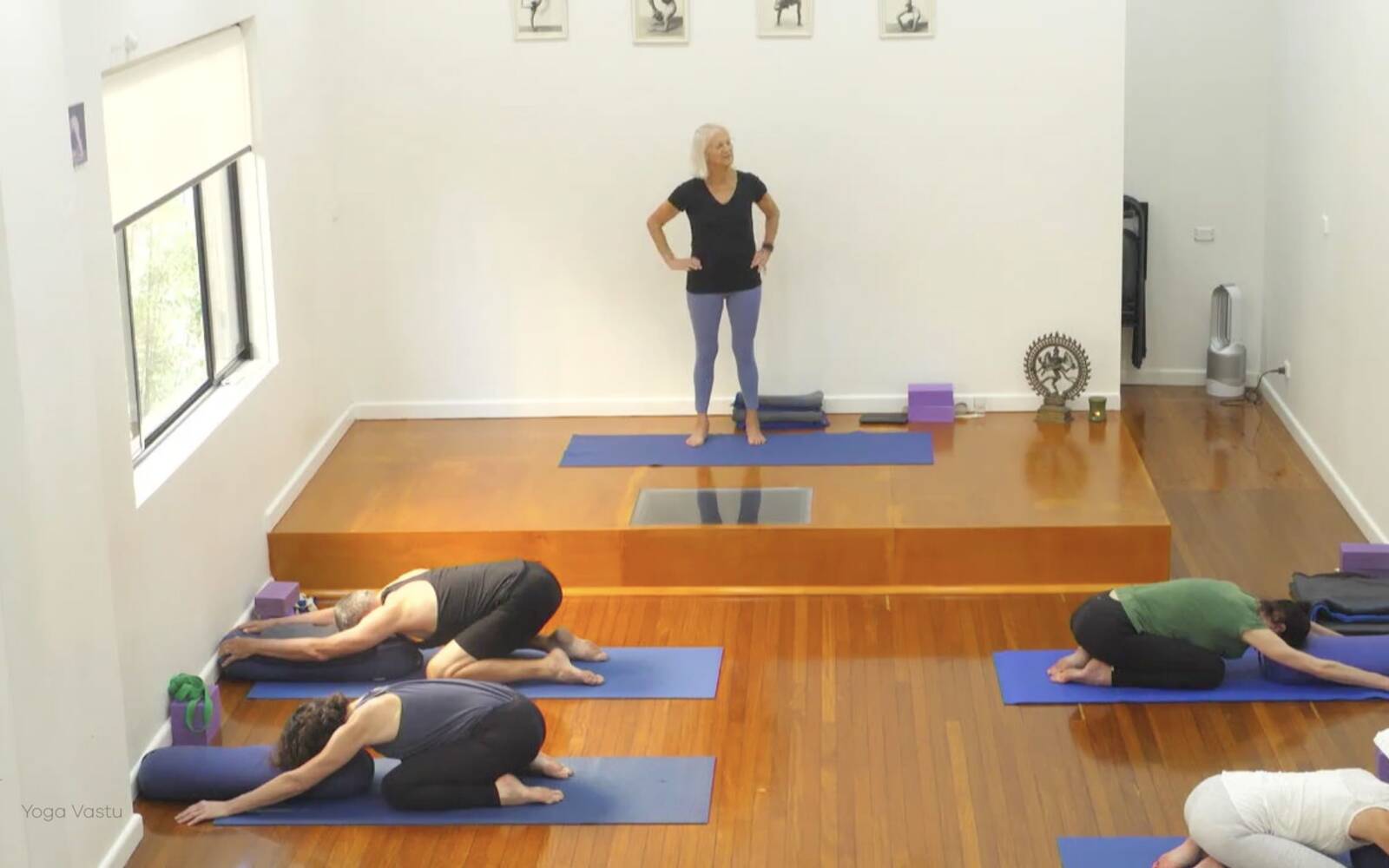
Back to Virasana Forward before stretching back into Adho Mukha Svanasana but with your hands to a bolster against the wall. As you go into your second iteration of this pose, think about the pictures of the yogis that you usually see. Think about their faces: you’ll notice that their faces tend to maintain that Savasana calmness even when they’re doing strenuous poses like Kapotasana.
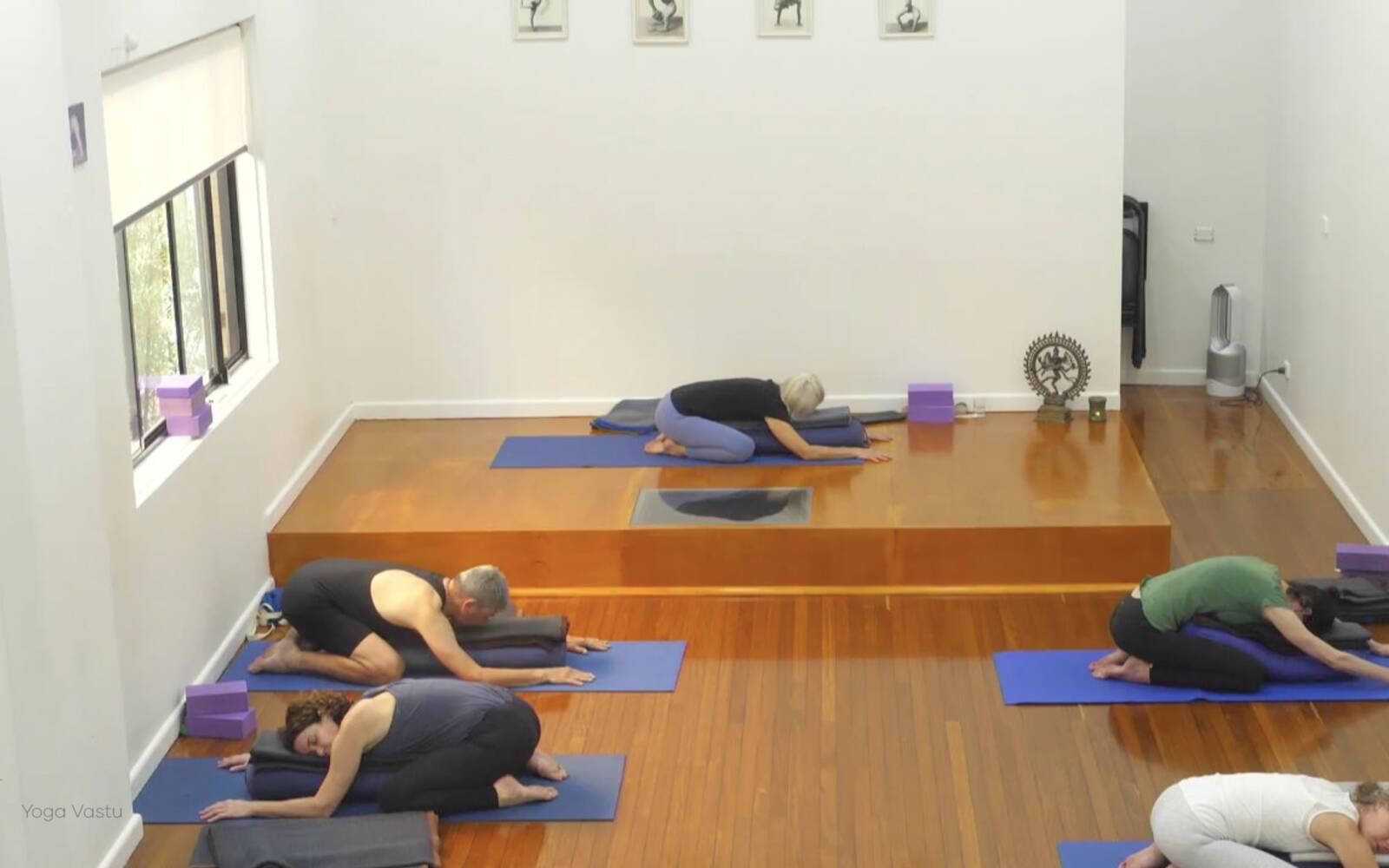
Go into Virasana Forward over a bolster. Feel the effect of the previous pose. Reflect for a while here. As you do the poses in this class, be mindful of them, savour them, don’t just rush through them or go through the motions. As we progress in our practice and more and more poses become familiar, we tend to shift into auto-pilot mode. That tendency should be avoided.
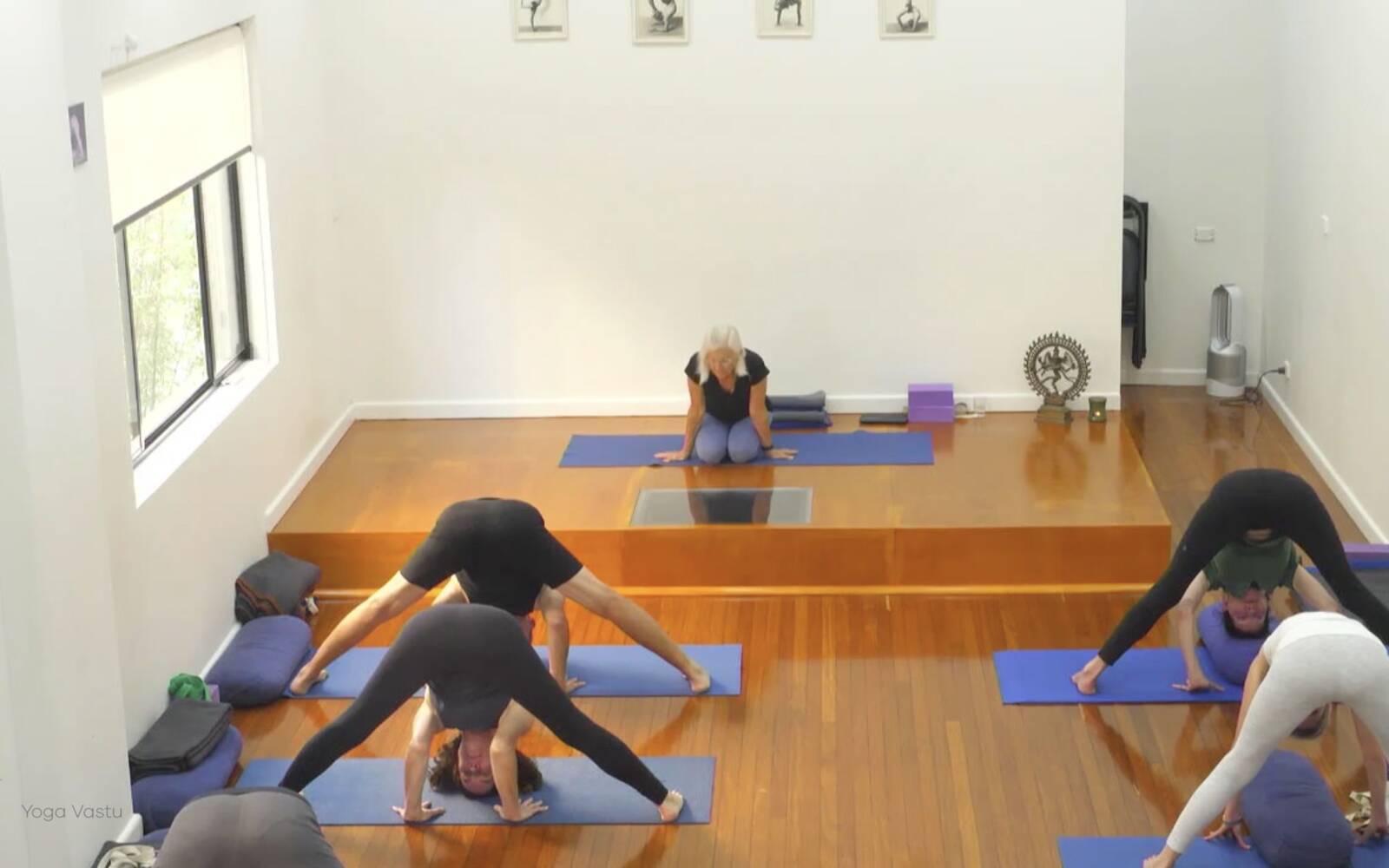
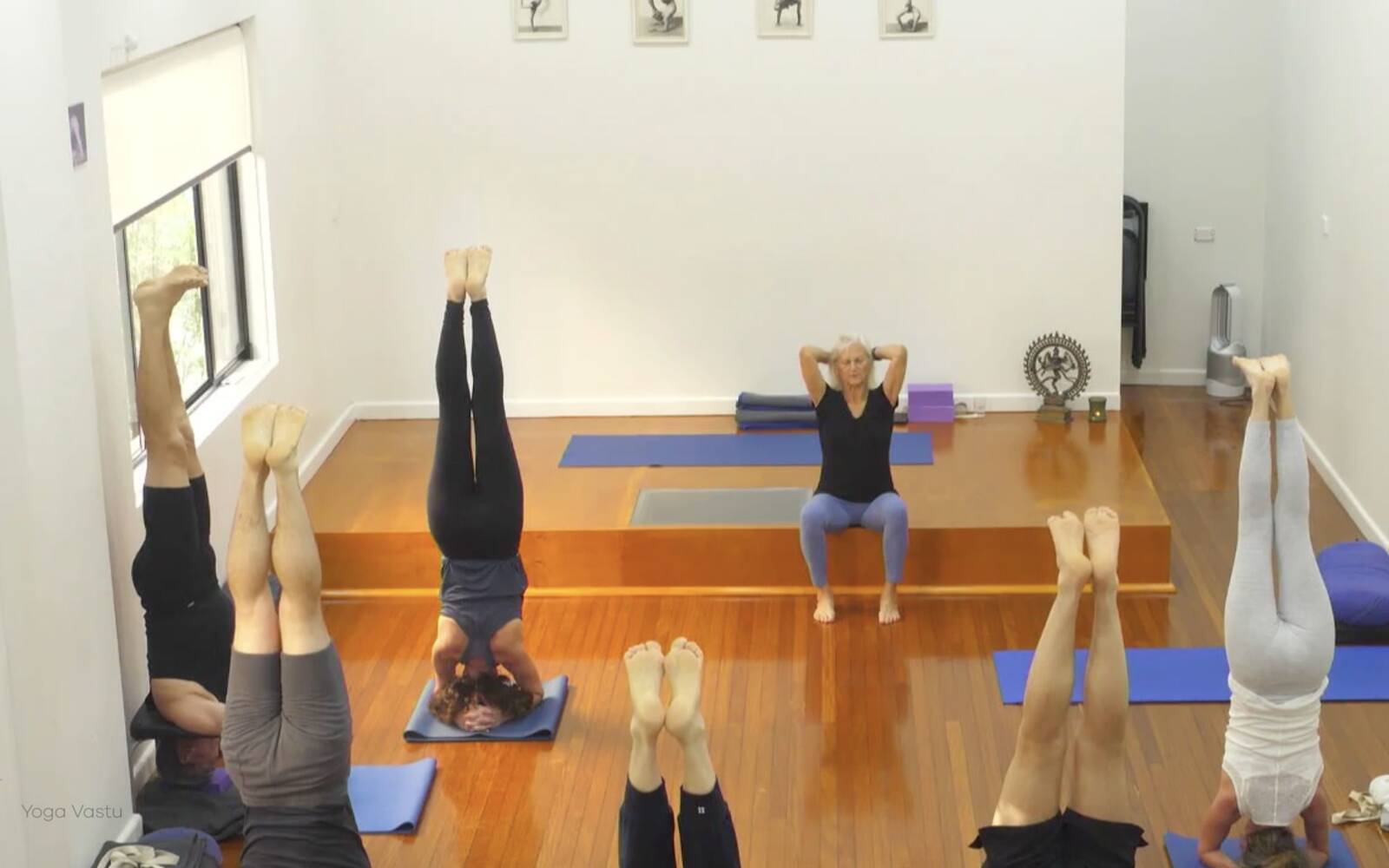
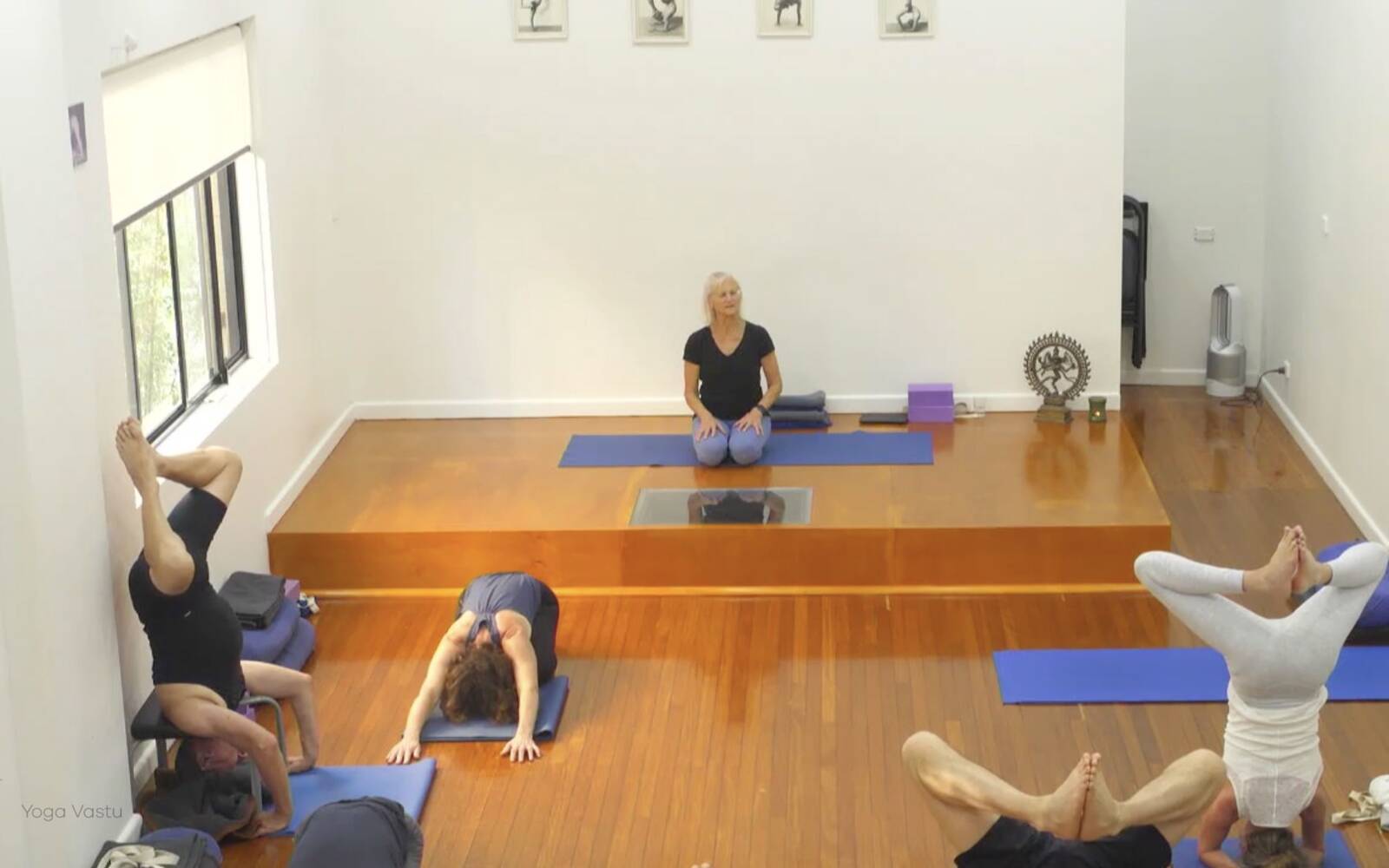
We now enter the most strenuous part of the session. We start with Prasaritta Padottanasana with the head placed on a support. This is followed by Tadasana to rebalance and observe the spine. We will then spend a short time in Sirsasana, holding it for a couple of minutes with our legs straight up before bending them into Baddha Konasana.
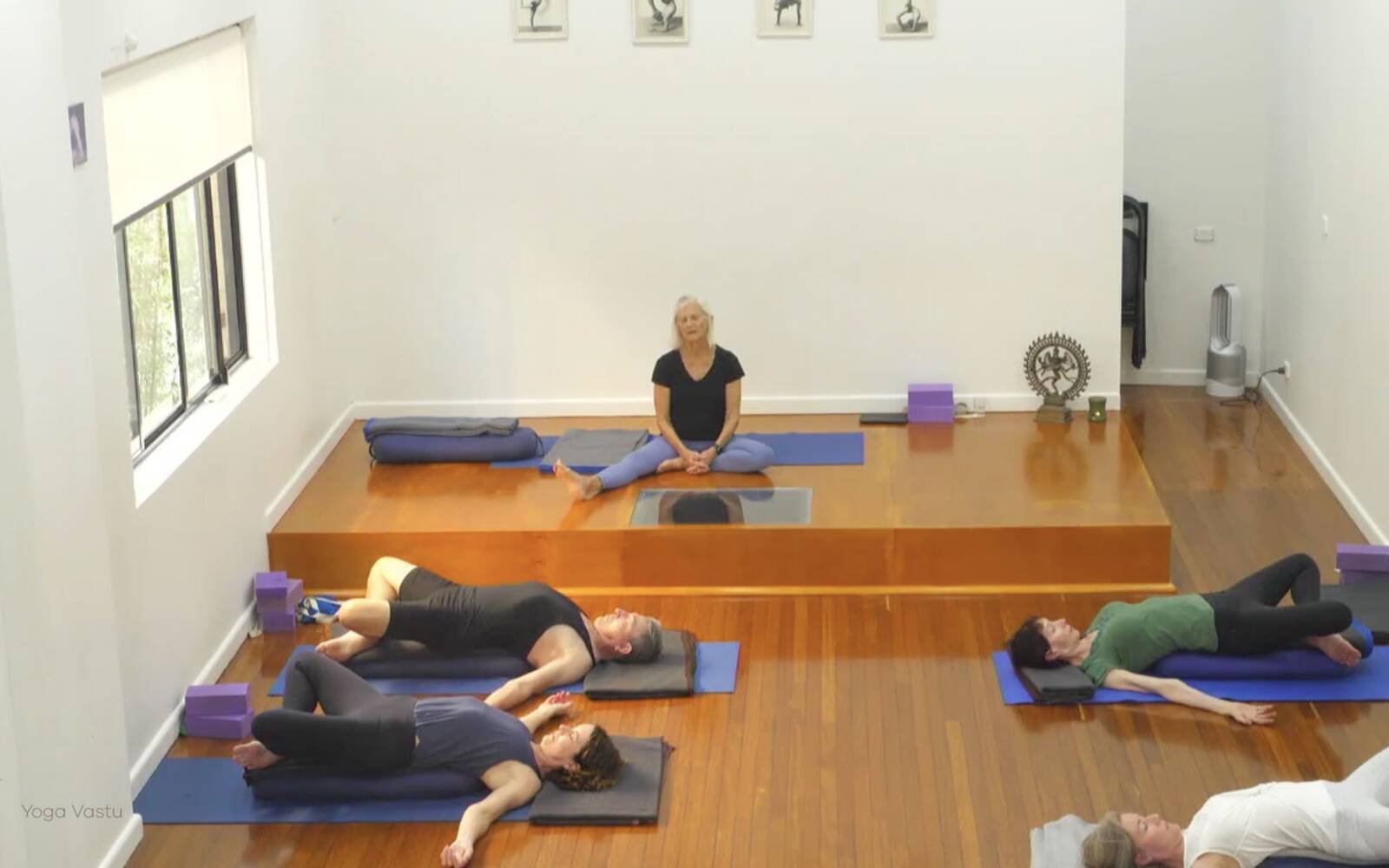
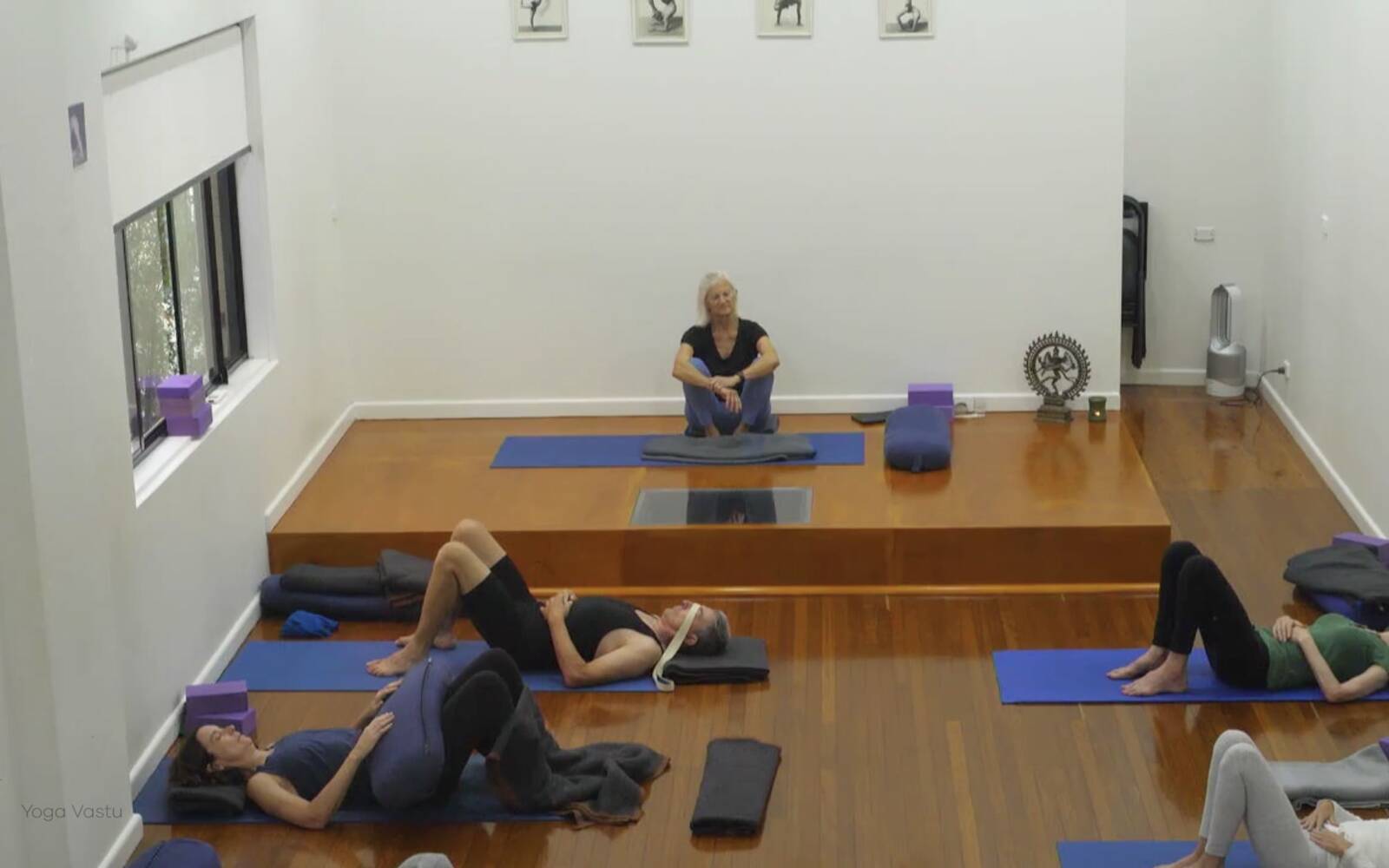
We then come down and set ourselves up in Setu Bandha Sarvangasana over a bolster. One of the best ways of developing softness is by working on our breathing. In this pose, the bolster helps us to open up our chest and diaphragm in order to facilitate deeper, fuller breathing. The diaphragm is the most important muscle for breathing and it often gets stuck due to emotional distress, bad posture, tightness, etc. By placing the bolster in the right way we can allow our diaphragm to become unstuck. While in this pose, notice what effect this particular setup brings and compare it to others. By paying attention to such details, we can become more aware and able to then intentionally set up our practice to facilitate what is necessary for us in that moment. Then, cross your legs in Setu Bandha. See what changes as a result of this action.
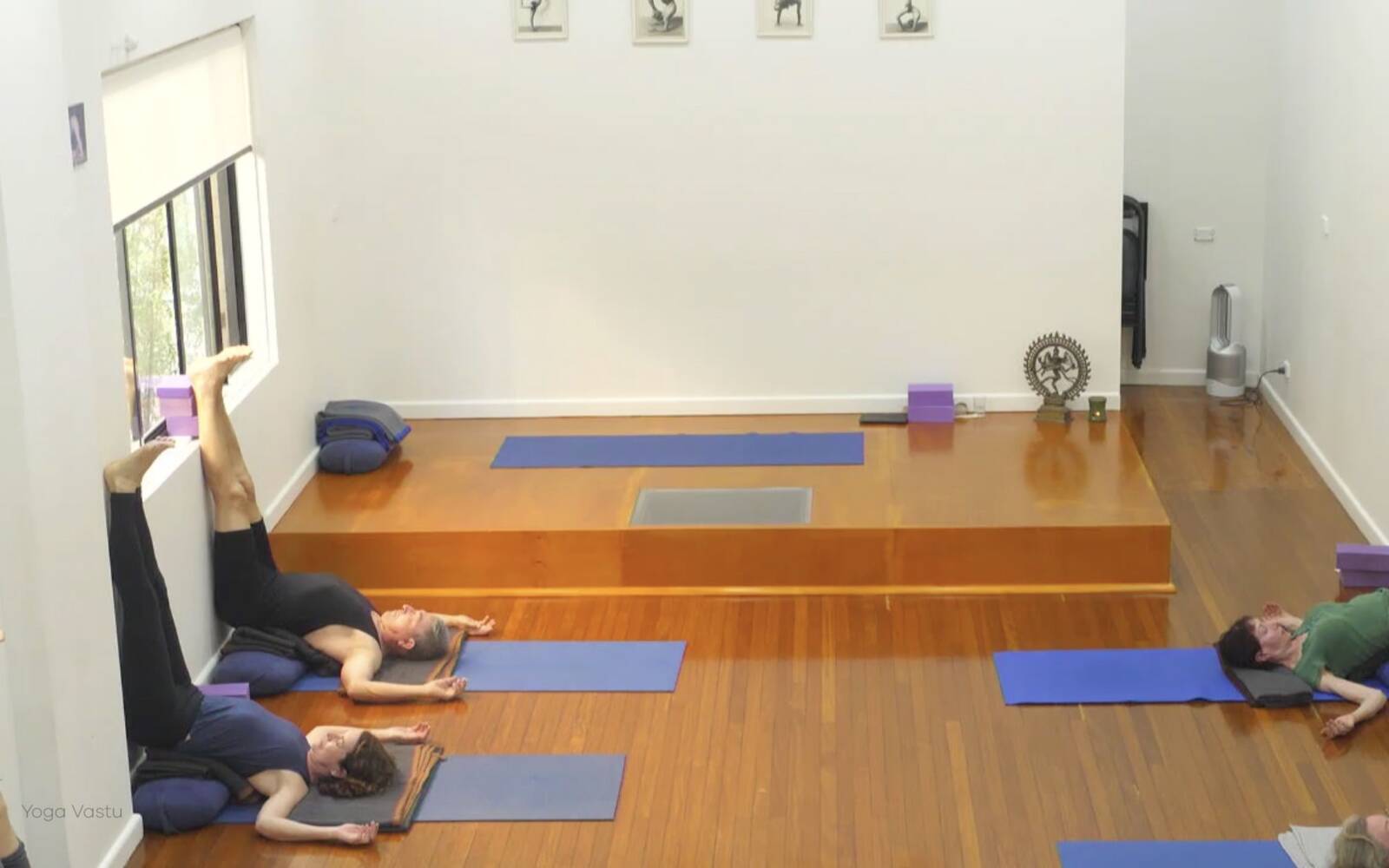
We then roll into Viparita Karani – another static pose. Students, especially when they’re only starting out, often approach restorative postures with perplexity. They’ll ask, ‘What am I supposed to do here?’ The answer is nothing: just settle in and feel the change the position brings. Even in stasis, there is movement. Compare restorative yoga to taking a bath: when you get in a bath, you don’t ask yourself, ‘What am I supposed to do here’ – you simply enjoy the warmth and relaxation as it gradually sets in and takes over. This approach is crucial in developing and maintaining the softness and openness necessary to progress to a deeper level of understanding in yoga.
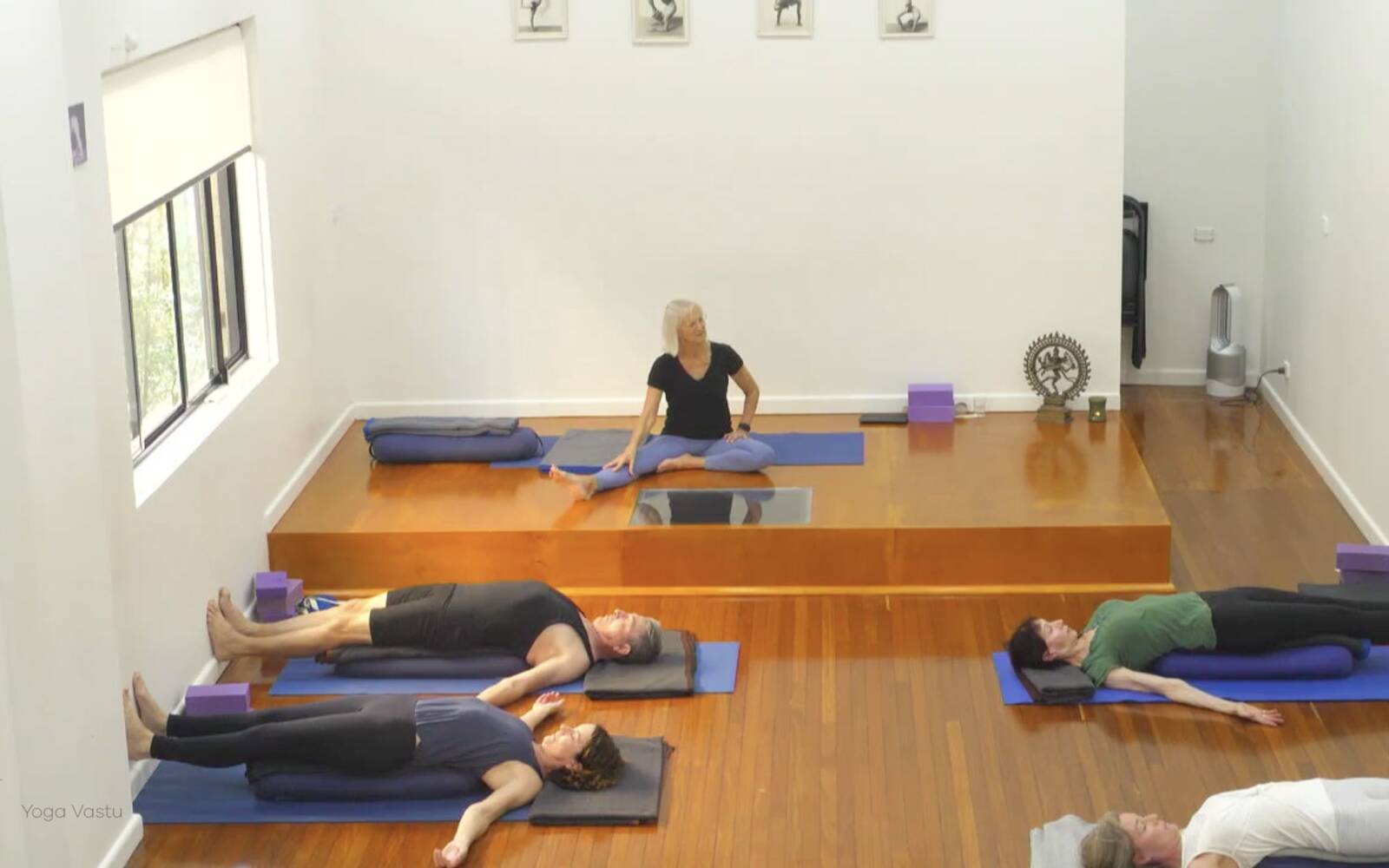
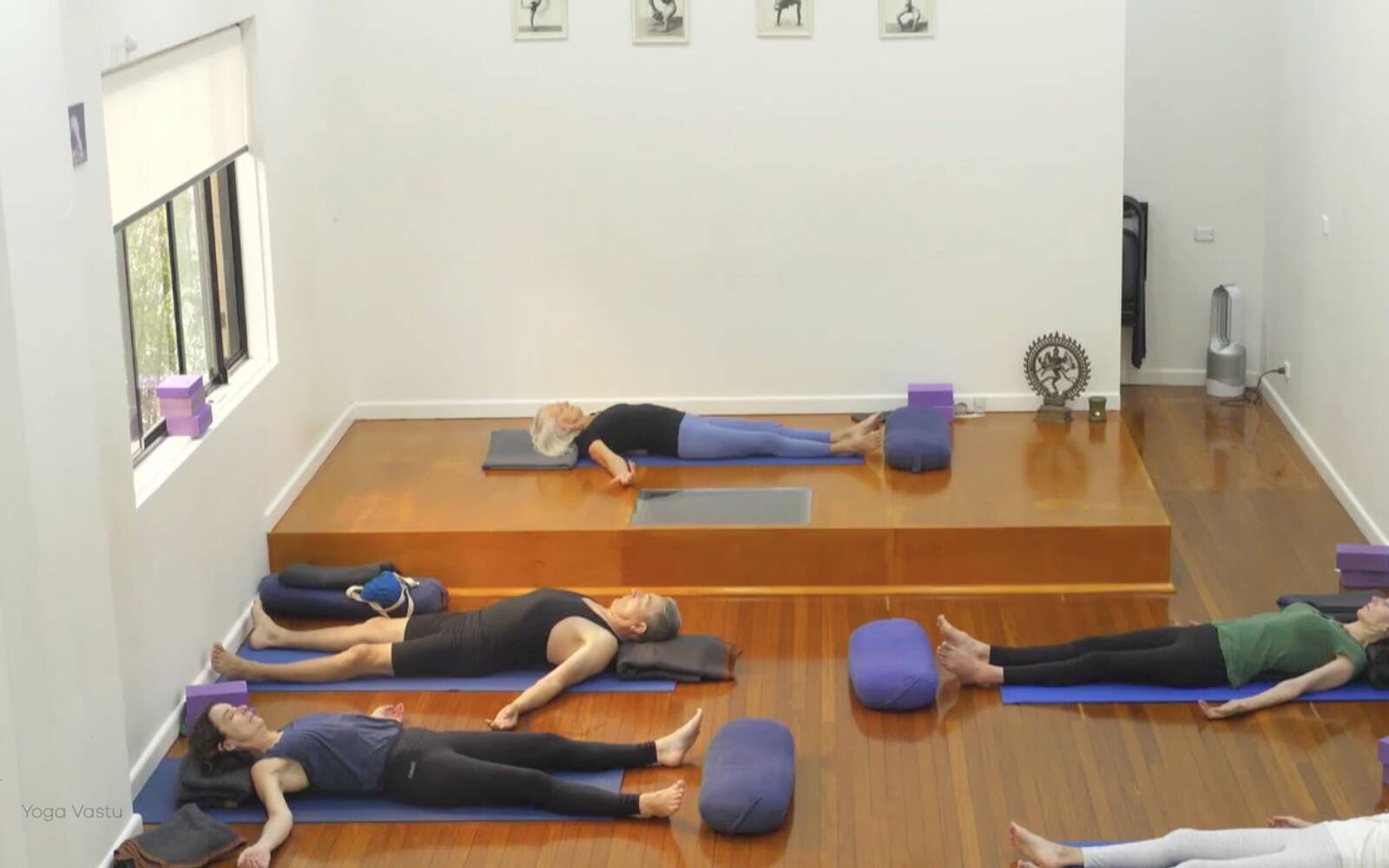
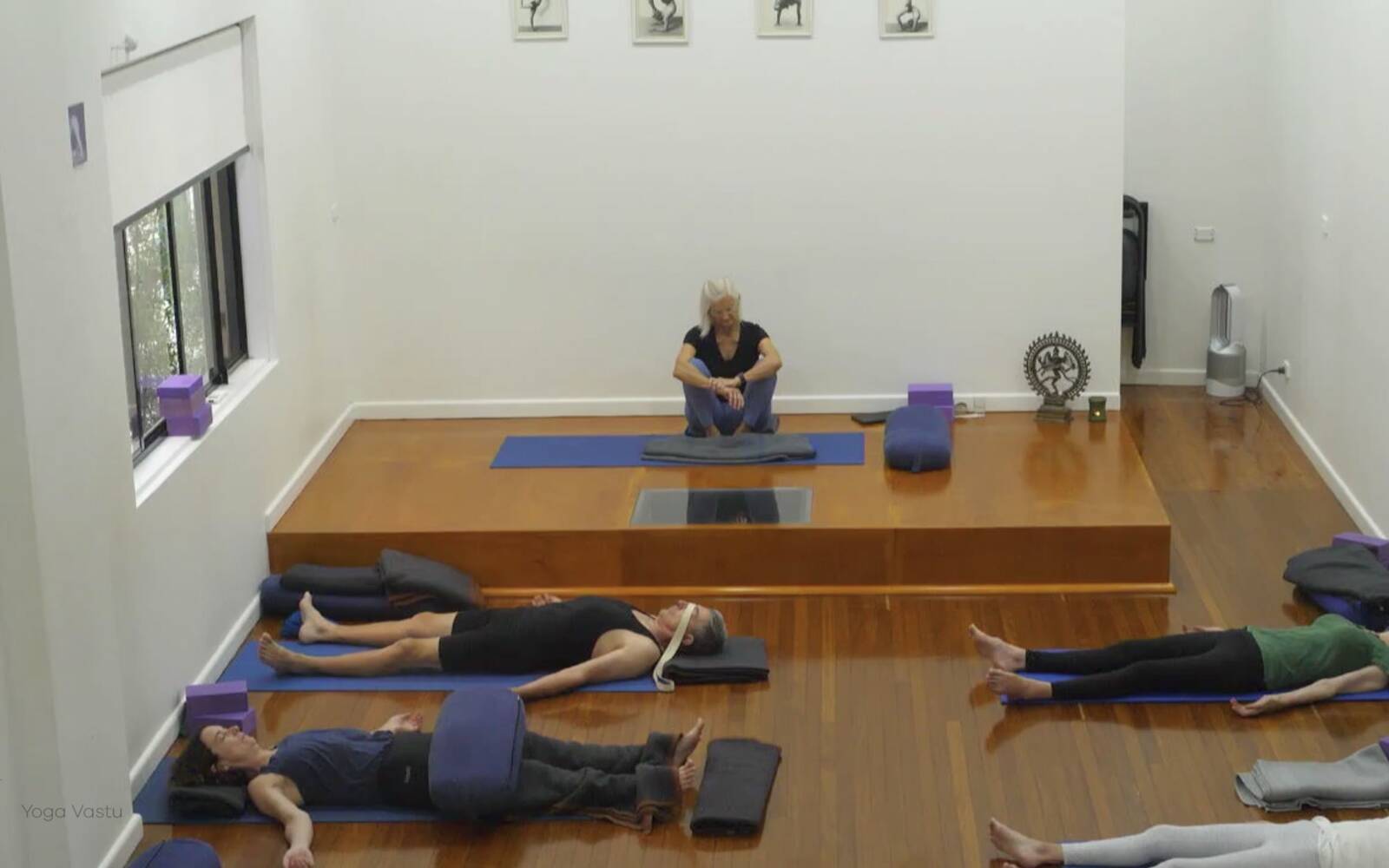
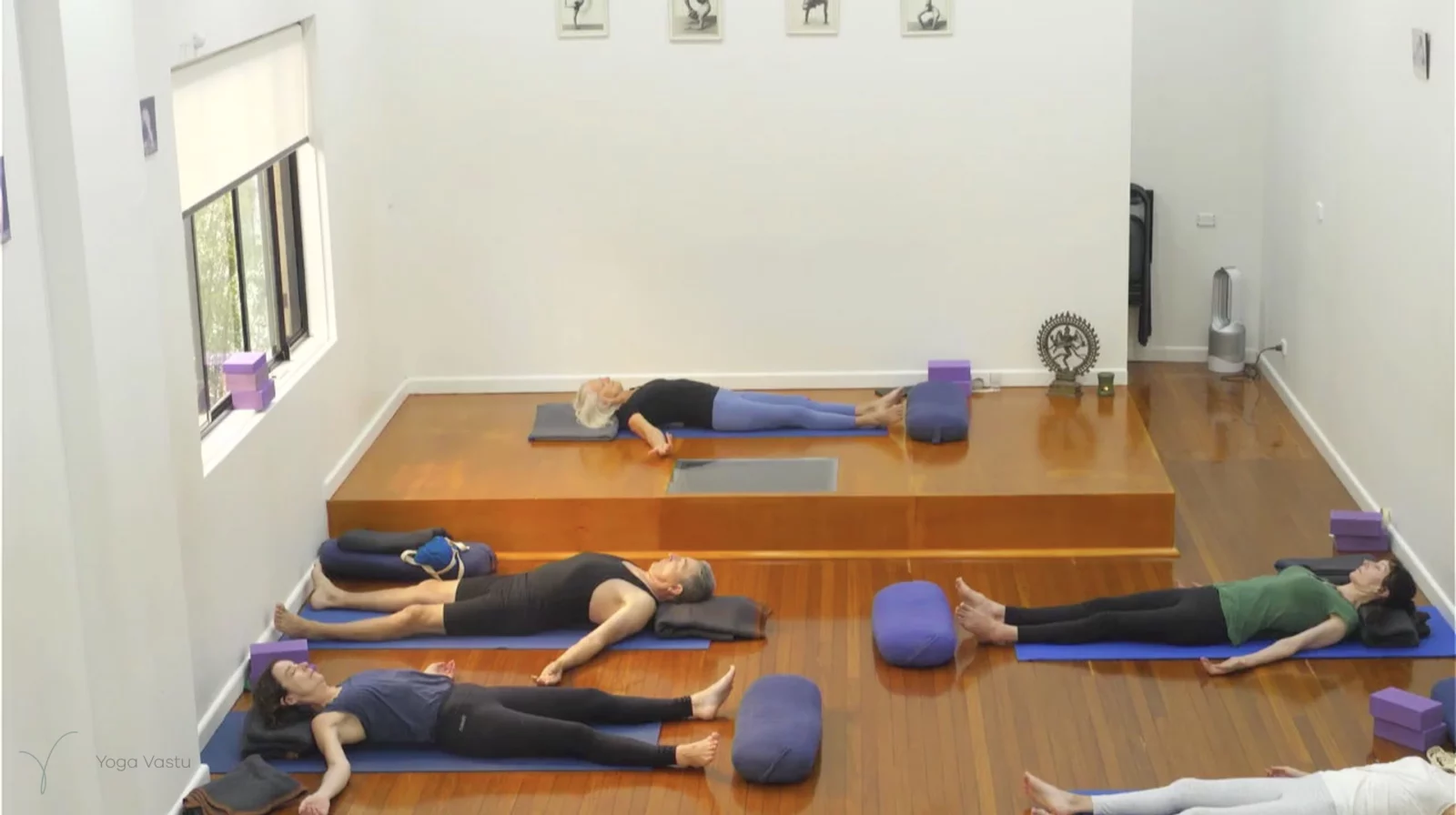
For the last part of the session, we will do Virasana Forward over a bolster, and then Savasana over a rolled blanket placed under the spine to ease breathing.
We finish by meditating on the changes this practice brought in Simple Cross Legs
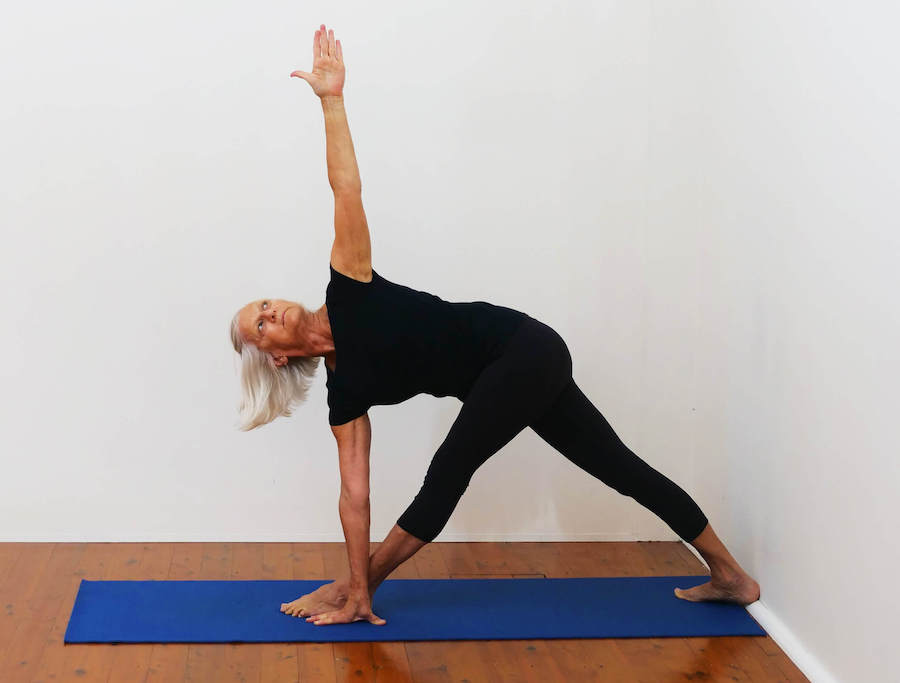
Video stills from this sequence