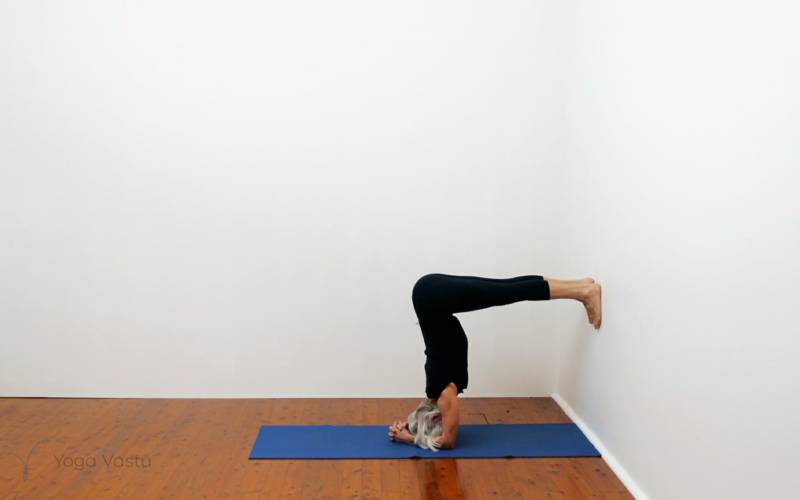
Video: Sequence
37 mins
Dynamic short sequence to increase energy and motivation
A dynamic short sequence with a few backbends to increase energy and motivation for the day.
Found 113 results, page 4 of 5
A dynamic short sequence with a few backbends to increase energy and motivation for the day.
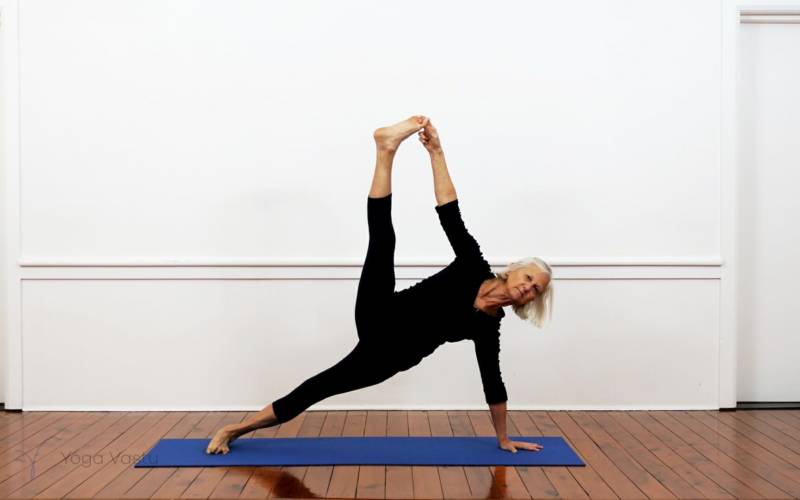
This is a slightly shorter and perhaps more diverse sequence than we might usually do at this level.
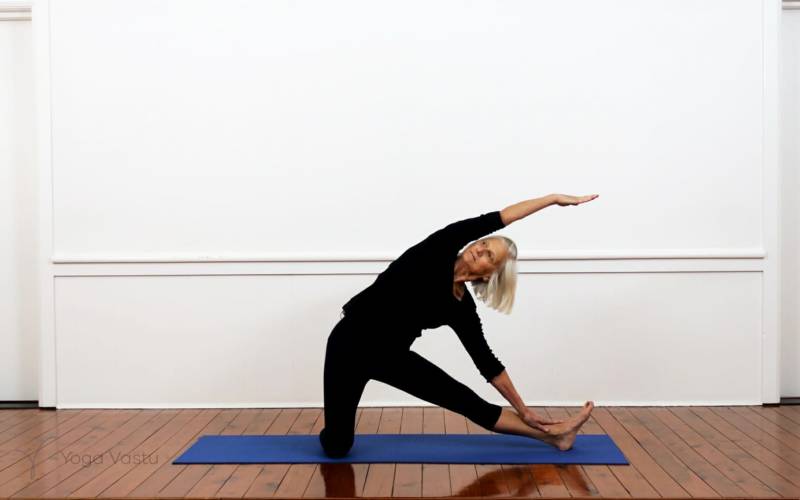
In this sequence, we will build on a few base poses, in standing and sitting, adding a little weight-bearing in the arms.
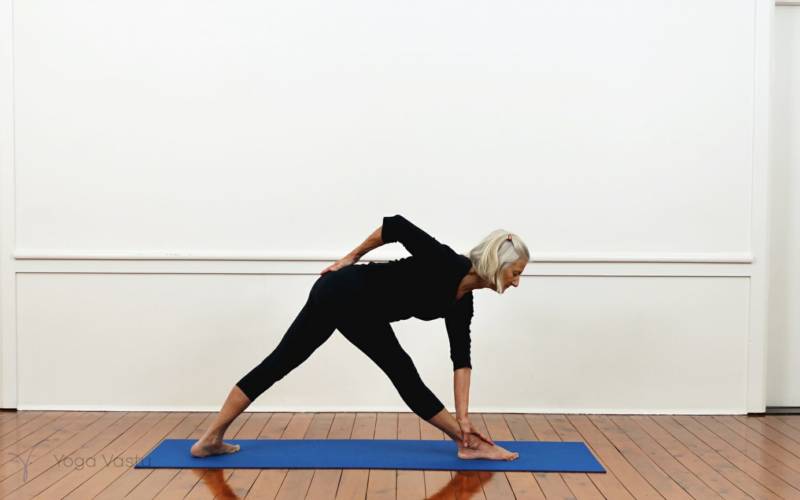
In this sequence you will go through the first part of the session a little more quickly: Dog Pose on the breath, repeating several times, all the standing poses done up to now, once each, and then adding in a twisting standing pose, Parivrtta Trikonasana, Reverse Triangle pose, introduced dynamically, on the breath.
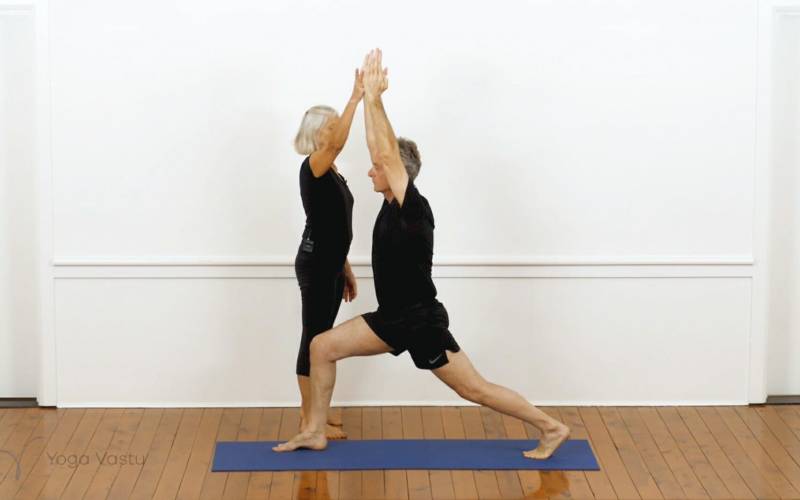
The aim of these first five Beginner classes is to guide you towards becoming a little more familiar with some of the principles of a basic Iyengar Yoga practice: foundation, stability, focus, and self-observation.
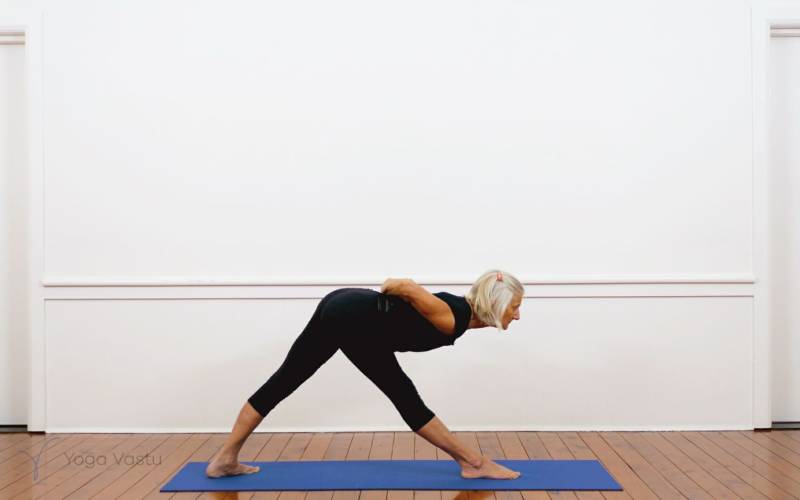
Session 3 will add an extra shoulder-opening variation, and continue with the Standing Poses already practised and one new addition.
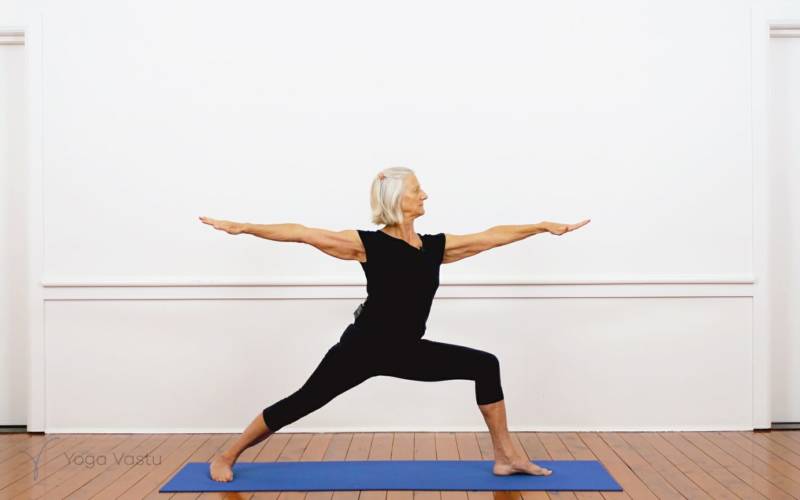
As you become more familiar with the poses, you may find that you start to understand and remember the instructions given about how to come into the pose.
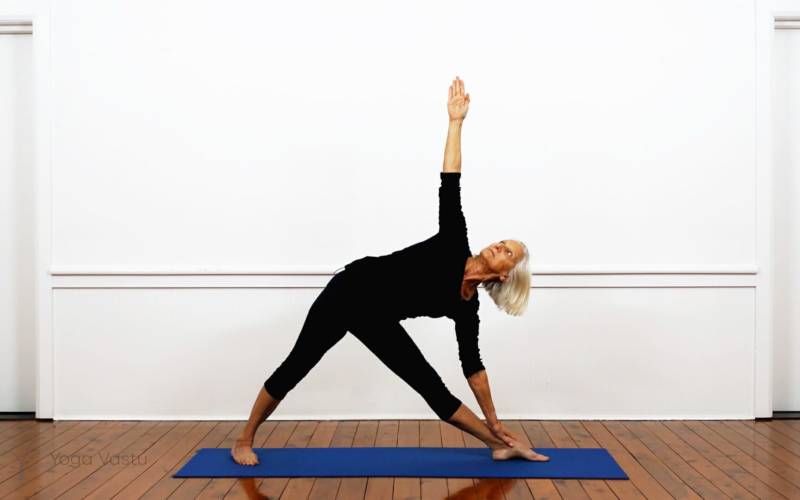
This is the first session of a 5-week Beginners course, where we use only a mat and a towel (and perhaps a book) as minimal props.
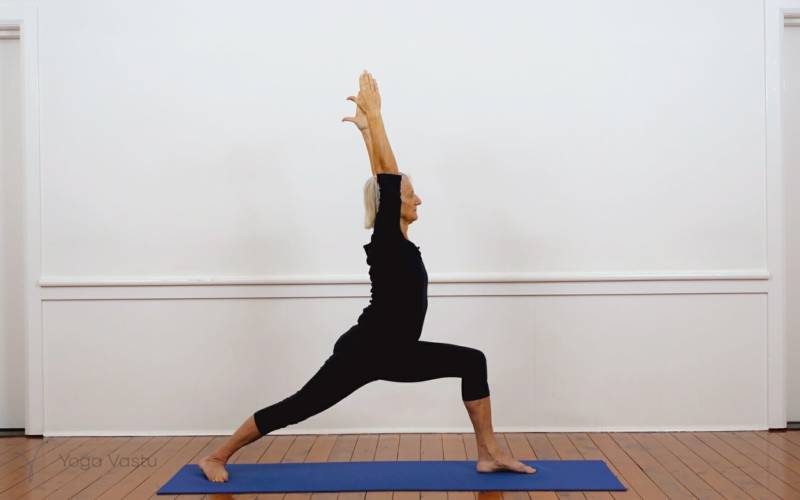
The second session of the Beginners course will continue with some shoulder-opening poses, a review of the standing poses, and a few more sitting pose options to open into the hips and groins.
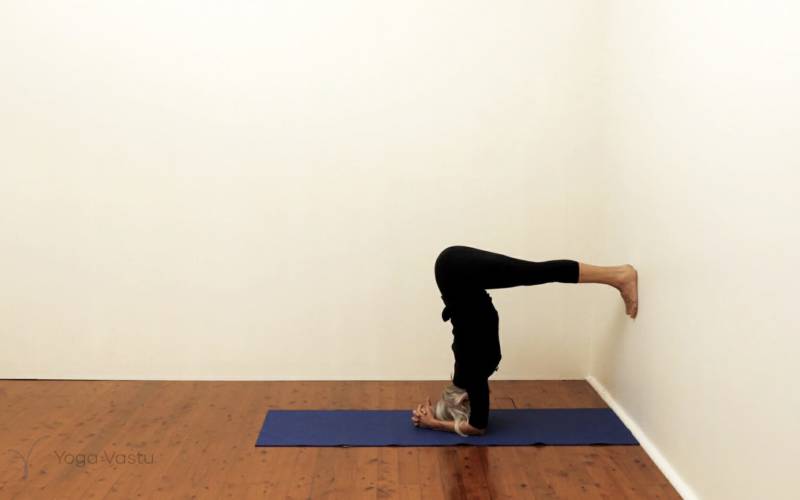
This 40-minute session brings us into the shoulders, upper back, abdominals, and hips.
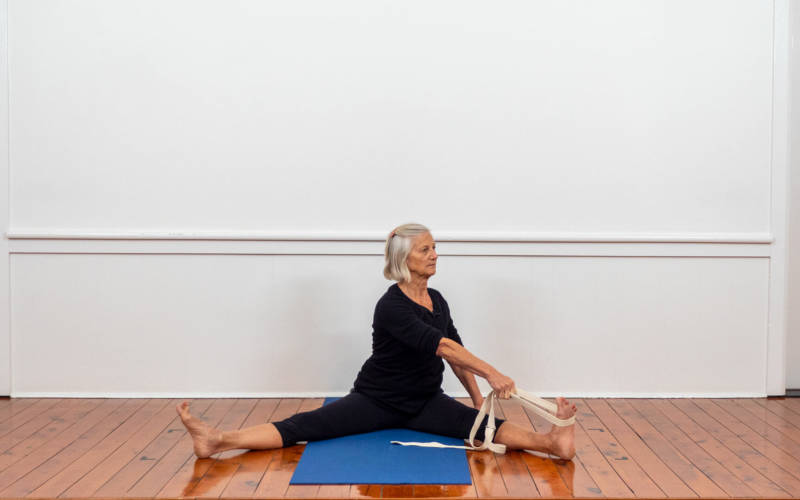
A forward bend sequence for leg-anchoring, hip-opening, and lift through the spine. Excellent sequence for opening the groin area.
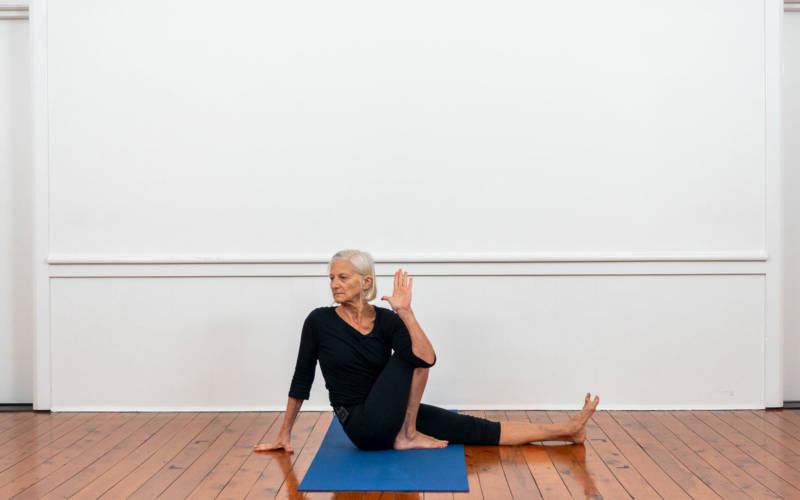
This session focuses on paying close attention to the groin and leg actions which help to support the spine in its lengthening and forward movement.
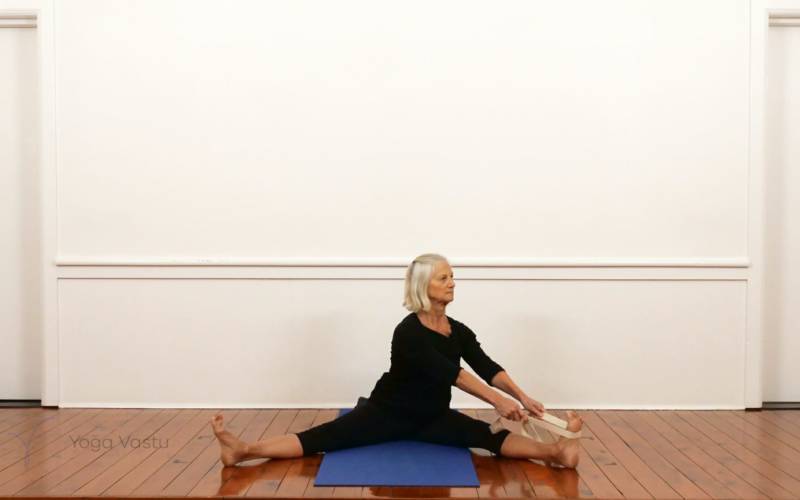
An active forward bend sequence that aims to see what are the markers for going deeper into the forward bend action.
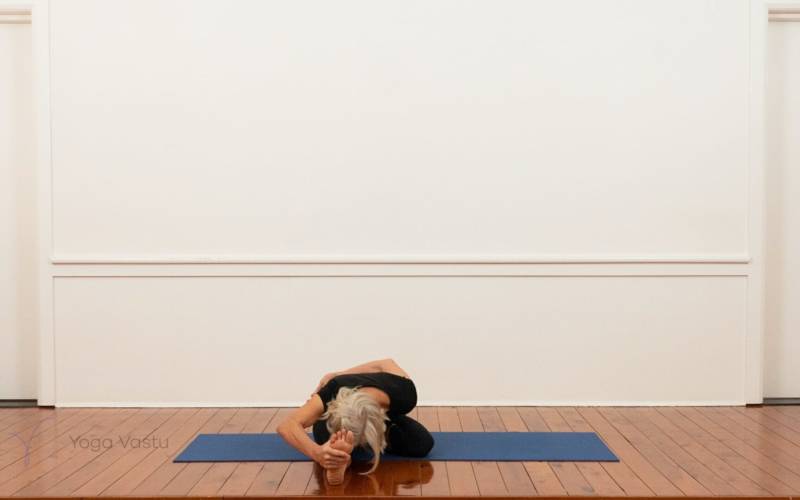
Today's session uses relatively short timings in order to add a few extra postures into the sequence.
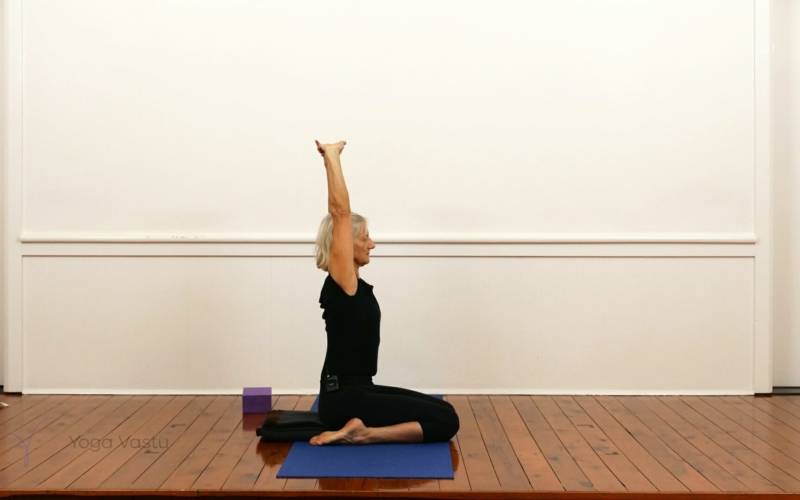
The aim of this session is to follow a sequence of hip opening poses, starting with some standing asana and then following on with several seated postures that will continue with that focus.
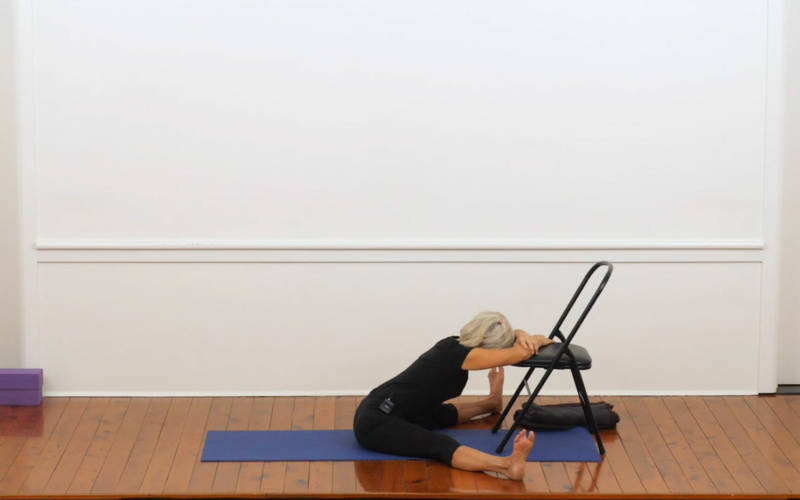
This sequence uses the forward bend poses to bring life to the hips and all the joints, in a quiet and sustained way.
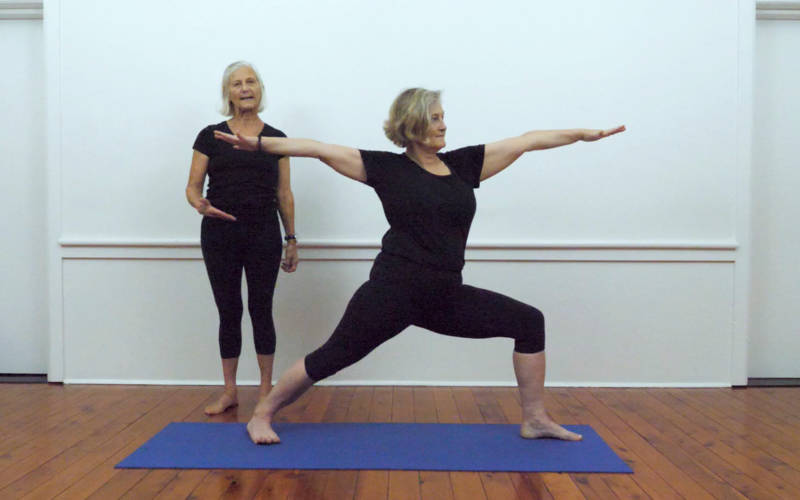
This sequence keeps you building your understanding and experience of the foundation poses.
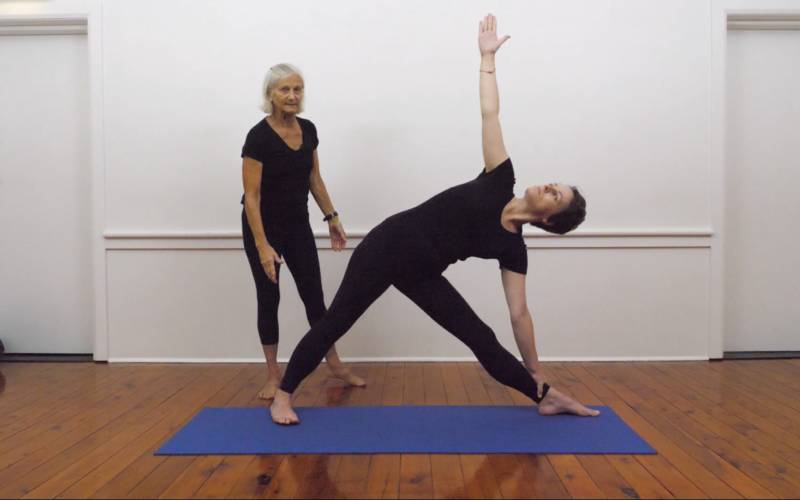
This is the second class for students new to Iyengar yoga.
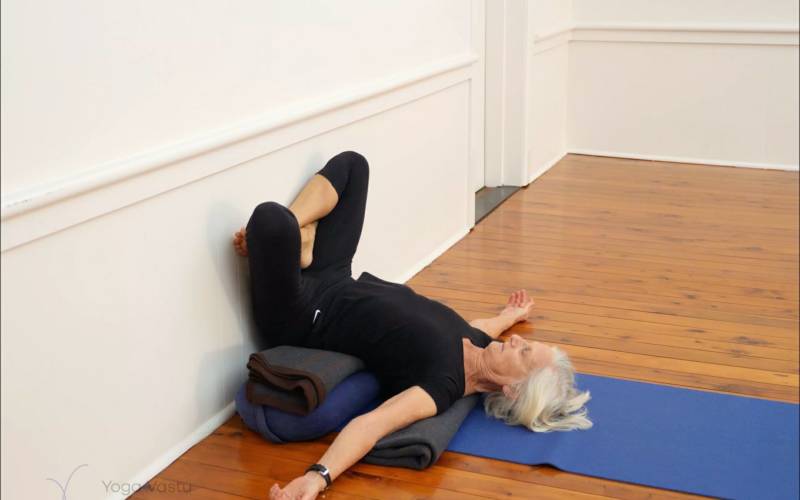
At this period of heightened stress, anxiety, and a feeling of being out of control, it's really important to stay in touch with your body.
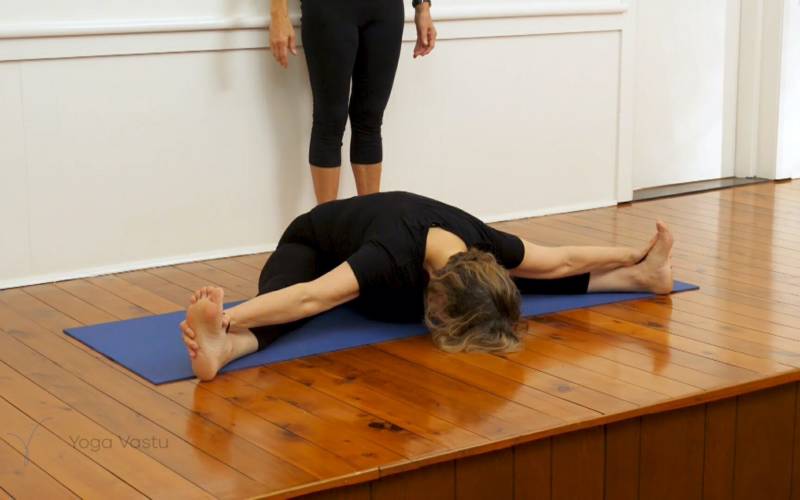
This sequence aims to take the experienced student through a wide range of forward bends in what could be called a 'classical' progression.
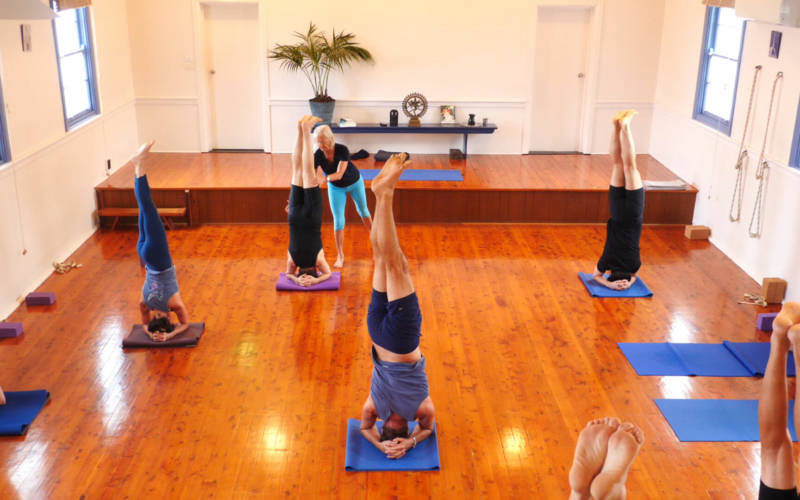
Intermediate to advanced level forward bends taught by Pixie Lillas.
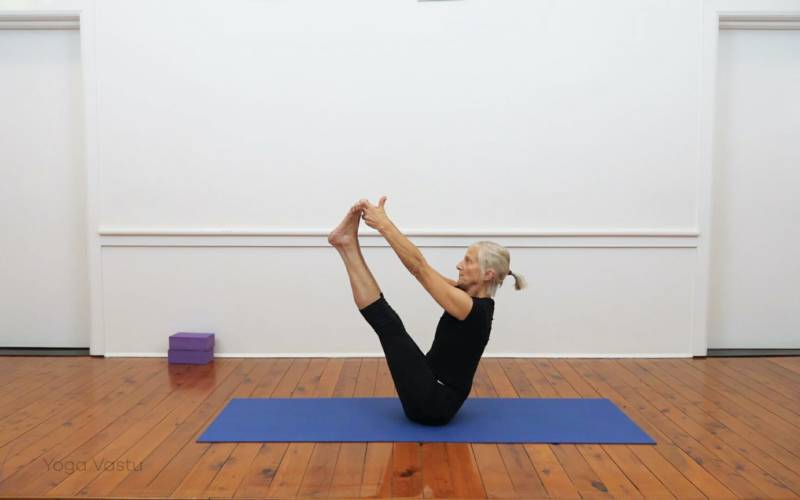
Pixie instructs and demonstrates a dynamic sequence to get moving, energised, and encourage a positive frame of mind.
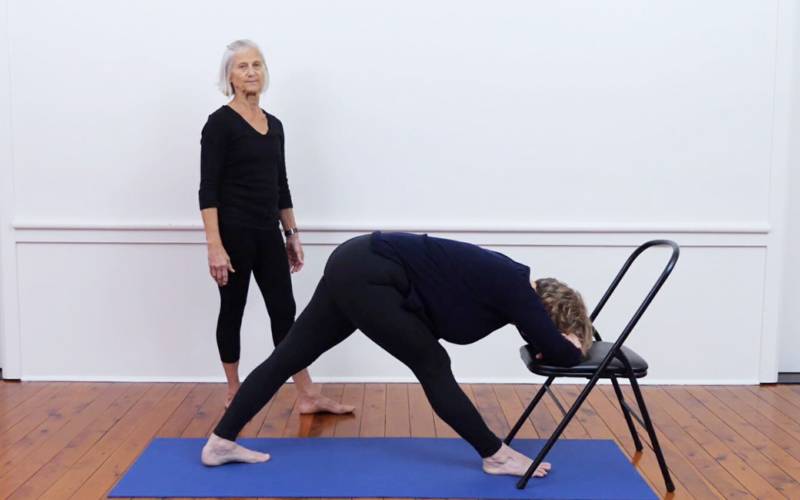
Pixie teaches a forward bend sequence for students getting more comfortable with foundation Iyengar yoga poses.
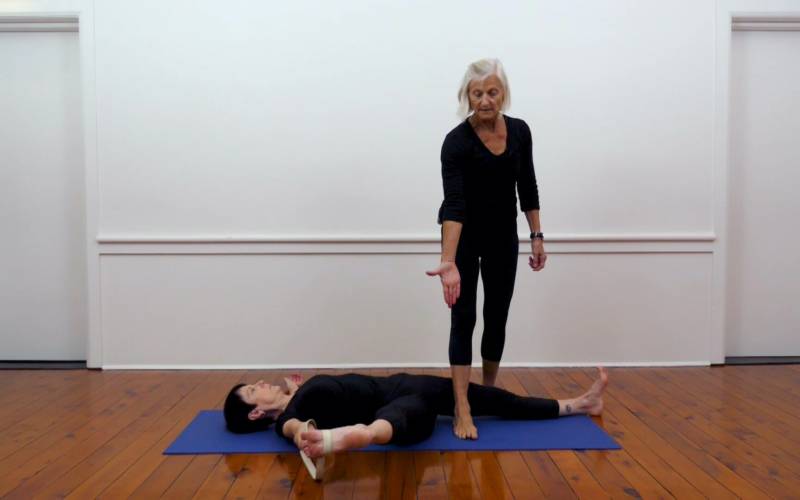
Part 3 of a 3-part series working with the hips and groin.
In yoga, there are seated forward bends and standing forward bends.
Examples of standing forward bends are Uttanasana (Standing Forward Bend), Prasarita Padottanasana (Wide-Legged Forward Bend), and Adho Mukha Svanasana (Downward-Facing Dog Pose). All these poses are also examples of mild inversions. They help stretch the hamstrings and elongate the spine. They get you used to being upside down and are a good warm-up for full inversions.
Seated forward bends are calming. They are usually practiced towards the end of the sequence. They help calm your nerves and soothe your mind. Seated forward bend asanas stretch your spine and neutralise the effects of inversions. Examples include: Paschimottanasana (Seated Forward Bend), Janu Sirsasana (Head-to-Knee Pose), Marichyasana 1 (Pose Dedicated to the Sage Marichi 1), and Upavistha Konasana (Wide-Angle Seated Forward Bend).
Forward bends can be challenging, especially for beginners. BKS Iyengar underlined the importance of body consciousness. Beginners usually think the goal of a forward bend asana is to reach the toes. As a result, they don’t lay the foundations, necessary to reap all the benefits of proper practice.
The aim of forward bend asanas is to stretch the hamstrings and elongate the spine one vertebra at a time. If you jam yourself into the pose, you can cause wear and tear in your muscles and spine. Prolonged improper practice can lead to long-term damage.
Know your limits. In seated forward bends use a cushion under your buttocks to help you tip from your pelvis. It is also useful to use a belt to reach your toes in Paschimottasana or Janu Sirsasana. When practicing standing forward bends place your hands on your shins or use blocks under your hands to give you extra height.
Don’t forget to breathe correctly. As you inhale, assess the pose. As you exhale, fold deeper. With time and regular practice, you will be able to improve your flexibility and do forward bend asanas without props.
Forward bend asanas have many pronounced benefits for the body and mind. They quieten the mind and are good for preparing you for meditation. They stretch the back of the body and massage the abdominal organs (improve digestion). Standing forward bends help increase blood flow to your upper: this helps restore heart and organ function after strenuous exercise.