Video: Live class
120 mins
Wednesday Advanced Term 2 (Forward Bends and Twists)
This is a well-rounded forward bend class for advanced students, including twists and asymmetrical variations.
Found 113 results, page 3 of 5
This is a well-rounded forward bend class for advanced students, including twists and asymmetrical variations.
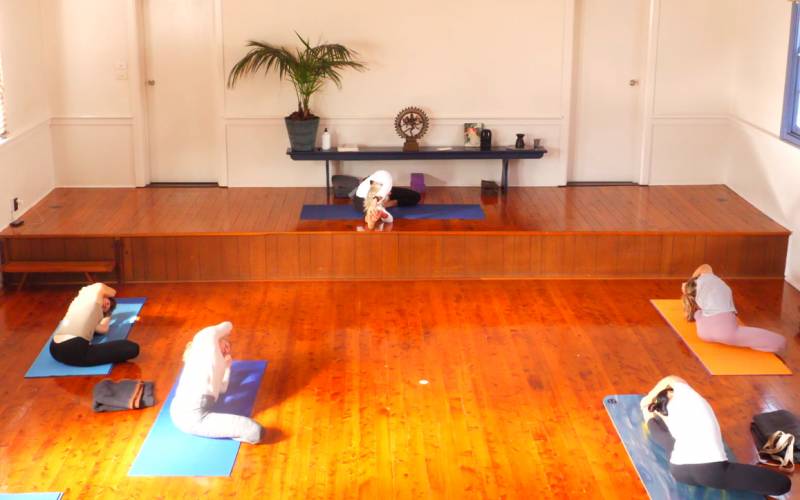
In this second class of the new term, we will be looking at sitting poses and forward bends, opening up through the hips and hamstrings.
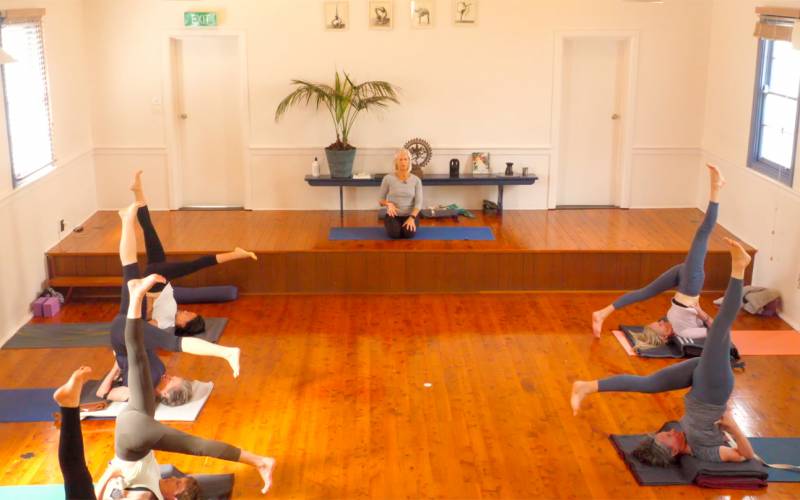
A standing and seated forward bend sequence with an extra focus on asymmetrical poses.
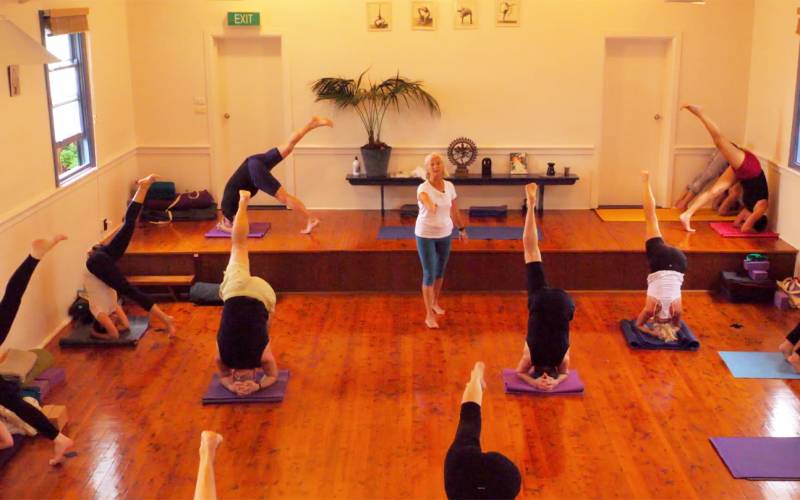
This is a more dynamic class, featuring a wide range of asanas.
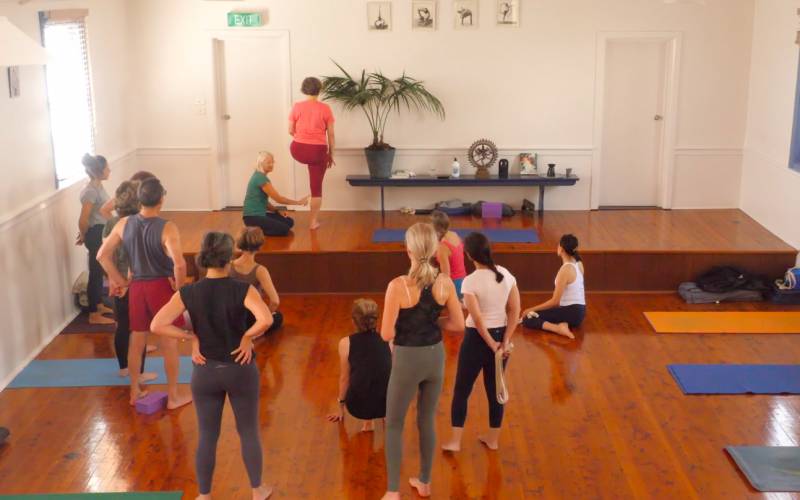
This is the second class in our live series directed at advanced students, and today we will be focussing mainly on forward bends.
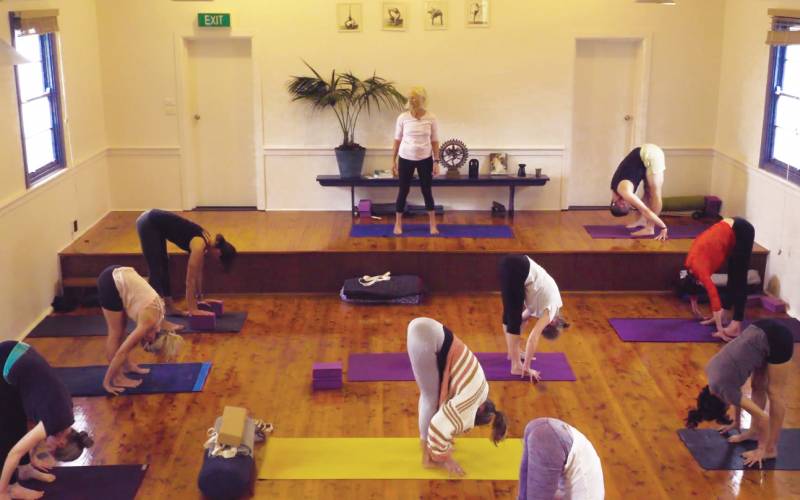
This is the first class of the year for our Level 3 students at our Balmain Iyengar Yoga Studio.
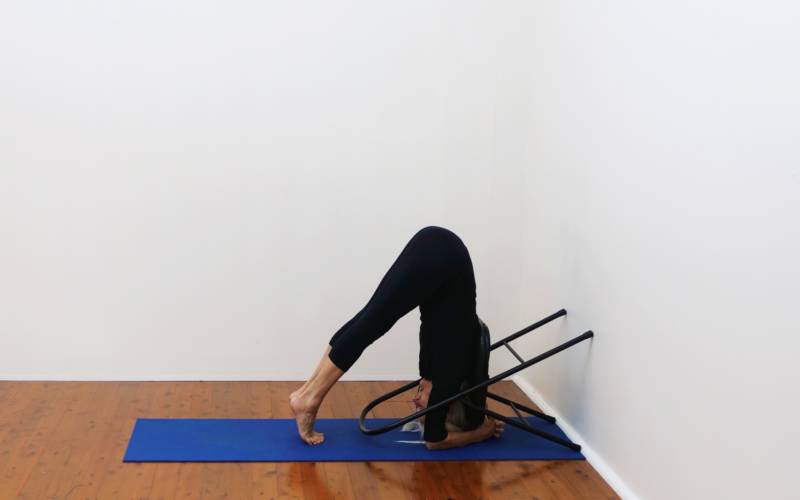
All forward bends will affect the hips, but today's session draws more specific attention to that area.
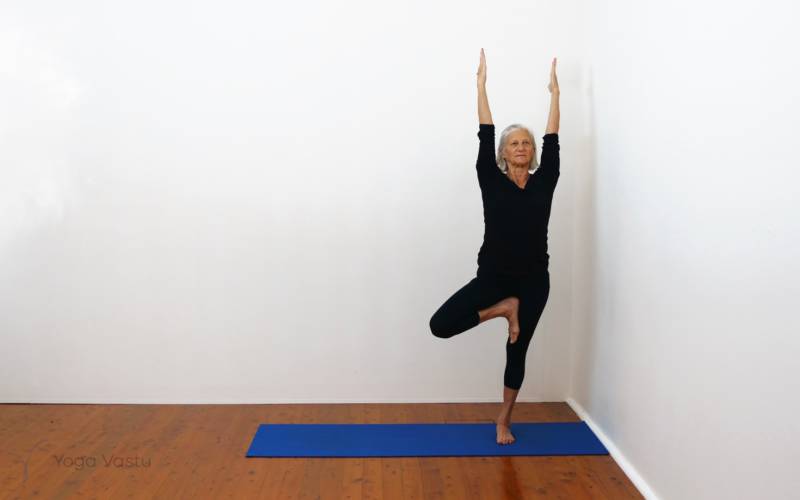
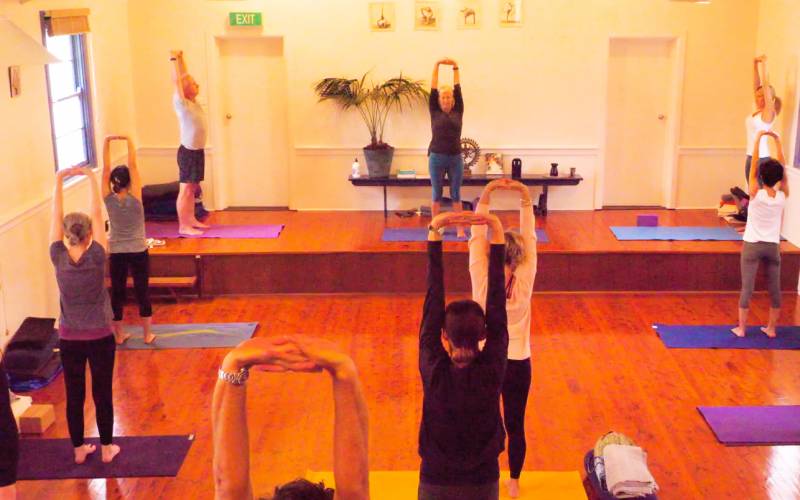
This session focusses on weight-bearing poses to help build confidence and balance, tone our muscles, and maintain good bone density throughout.
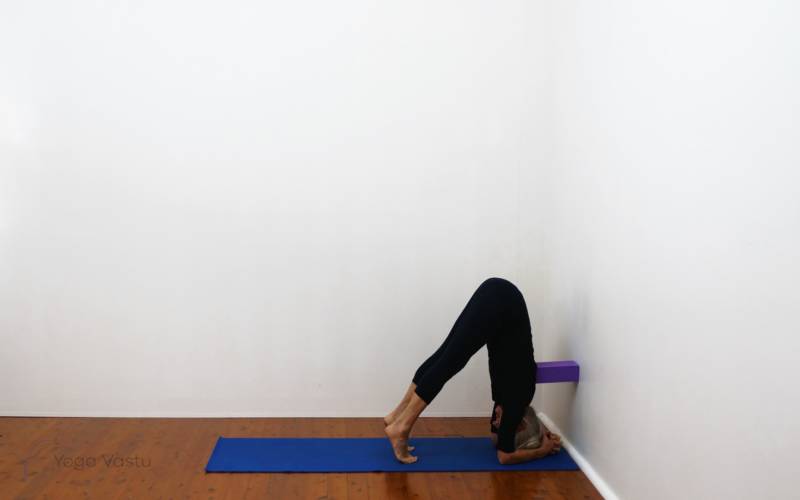
In today's short session, we will be looking closely at a set of alternative poses that can help us experience some of the benefits of Sirsasana without going into the full inversion.
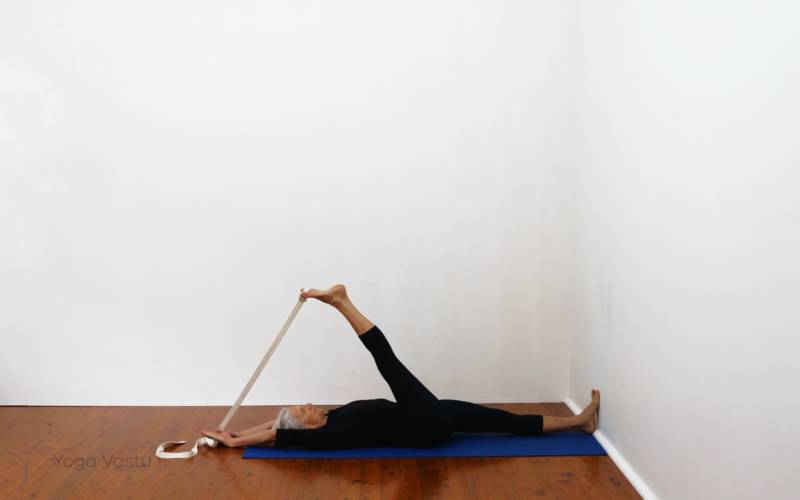
We can build focus also through restorative poses by keeping our attention on the supports we use, on how they affect the body, and by observing what our breath and attention are doing throughout.
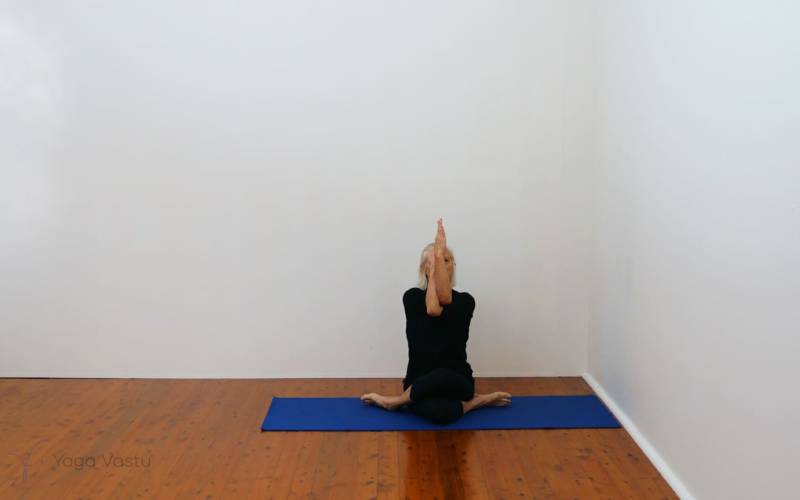
This session aims to bring awareness to the peripheral limbs and core of our bodies.
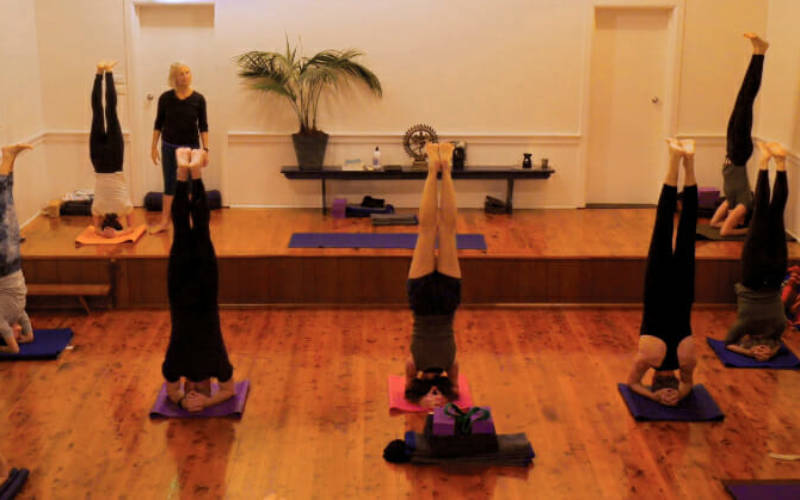
An intermediate to advanced level live class focussing primarily on forward bends. Shot at the Balmain Iyengar Yoga Studio and taught by Pixie Lillas.
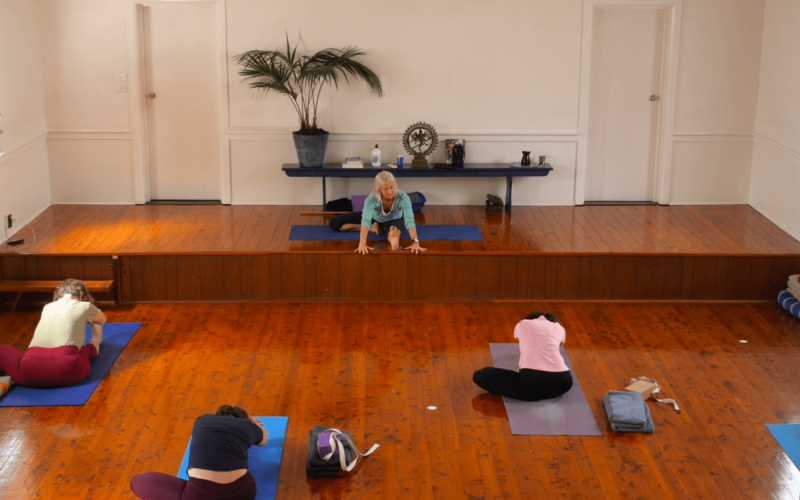
A forward bend live class for advanced level students. Filmed at the Balmain Iyengar Yoga Studio. Now available on-demand. Taught by Pixie Lillas.
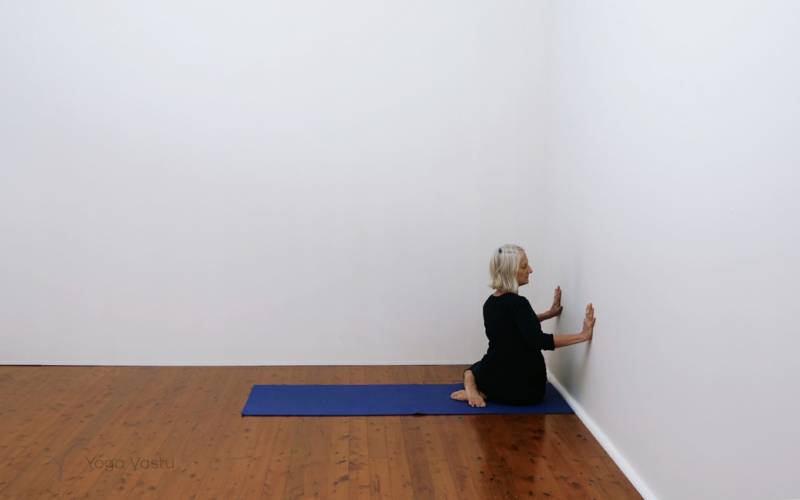
This sequence helps to bring stability and to develop awareness in the sitting poses.
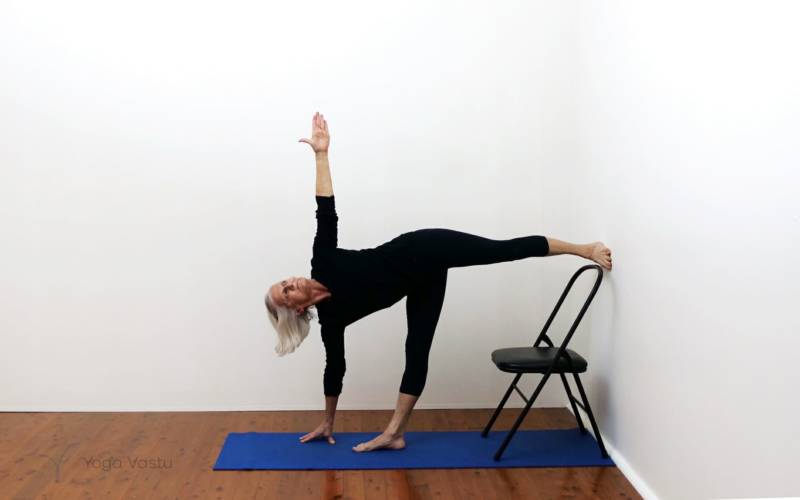
This sequence is aimed towards opening the chest, the groins, and lower pelvic region, as well as quietening the nervous system.
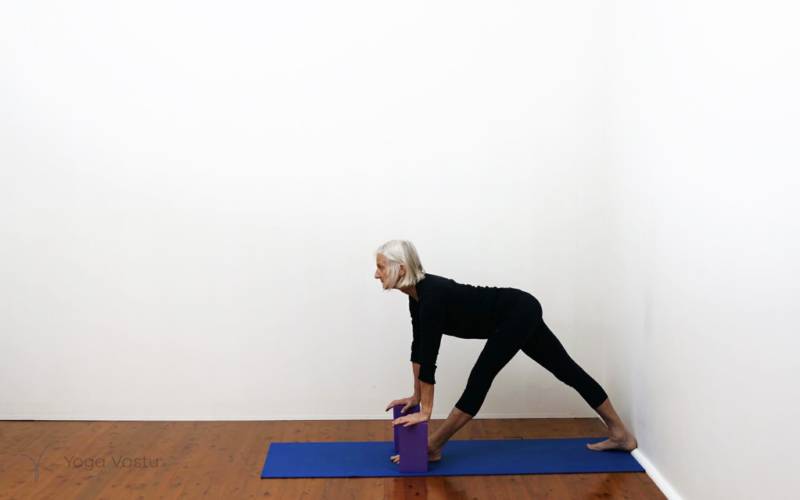
This sequence can be practised during the second part of the menstrual cycle, when our energy may be a bit stronger, or when you are wanting to create some hip and groin opening, using supports as needed to lessen any load when stiff or fatigued.
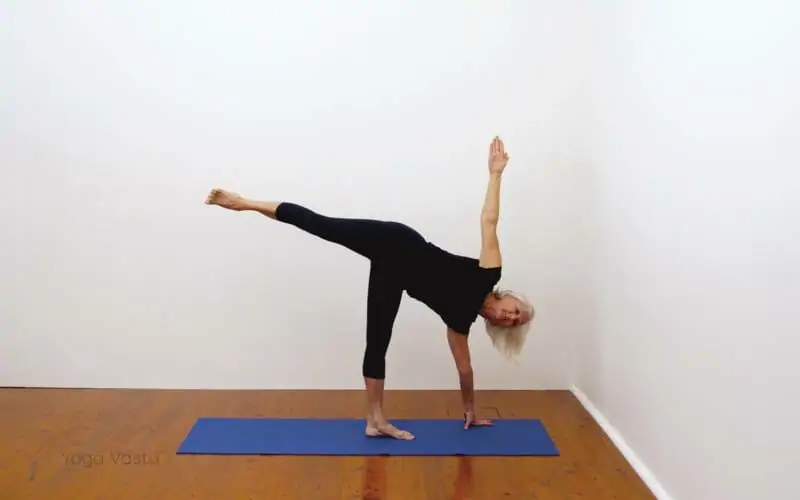
This short sequence helps to connect the actions that integrate the upper and lower body in Dog Pose and a few preparatory inversion poses leading into the standing poses.
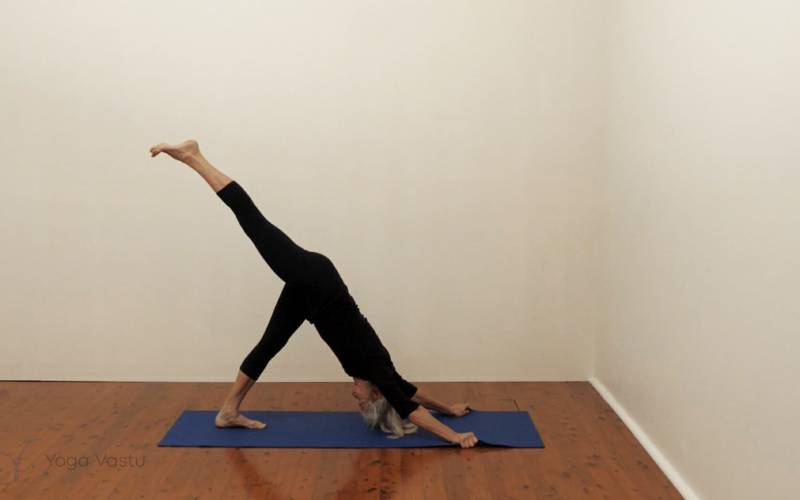
This 40-minute session brings us into the shoulders, upper back, abdominals, and hips.
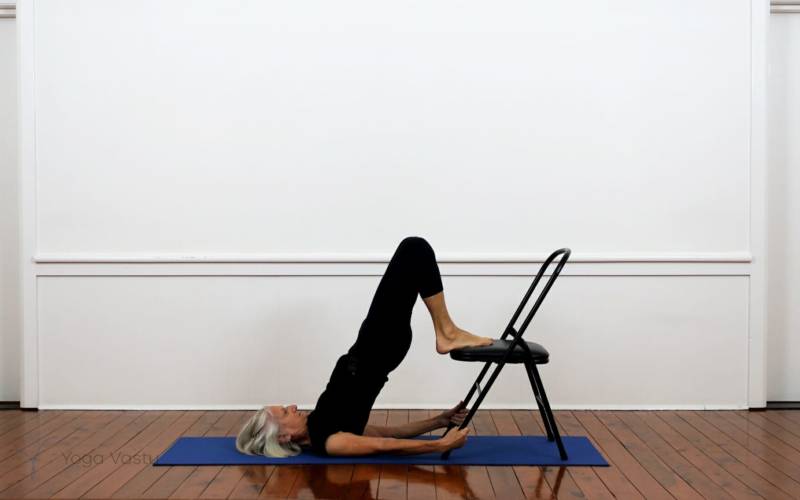
This session aims at reviewing and consolidating the basic actions and preparations for understanding these three foundation inversions.
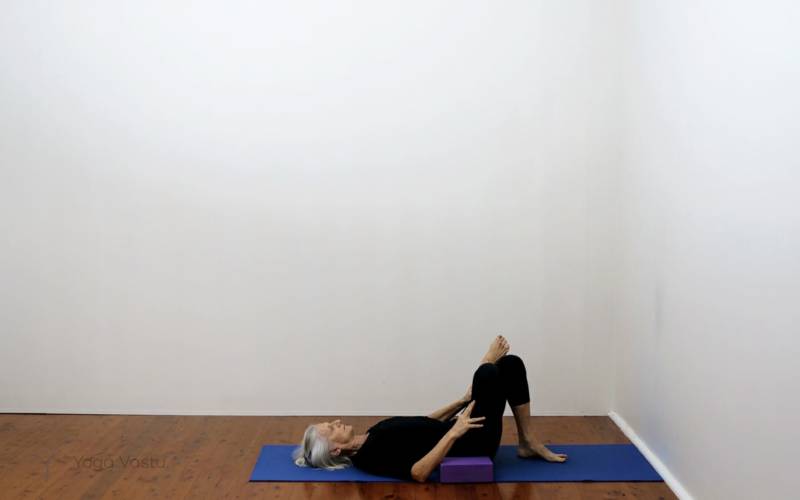
A short yoga session to cool down and to come back to neutral after a run or physical exercise.
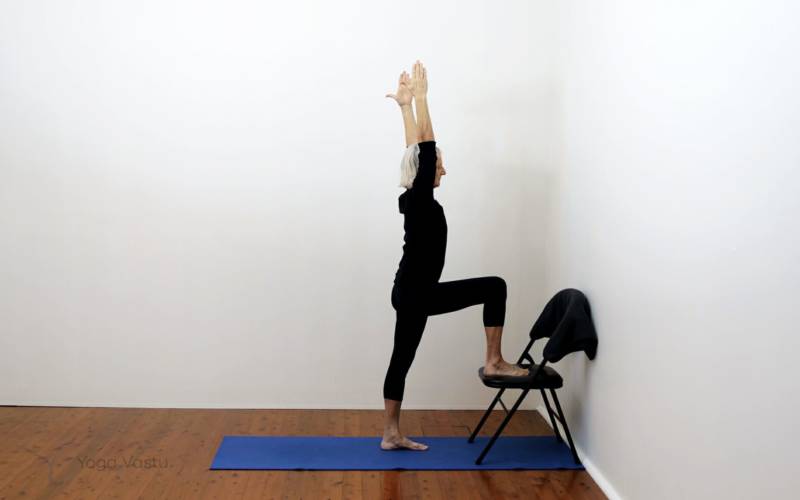
Yoga can play a good part in preparing mentally and physically for a big walk, a run, or a bout of exercise in general.
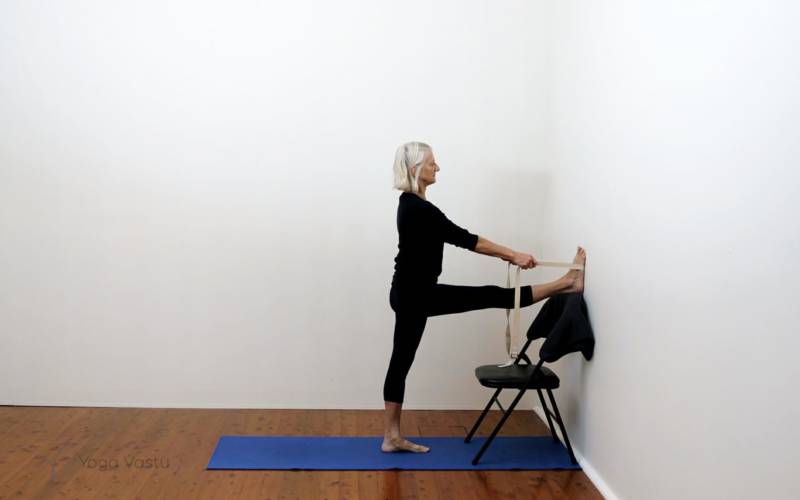
Yoga can play a good part in preparing mentally and physically for a big walk, a run, or a bout of exercise in general.
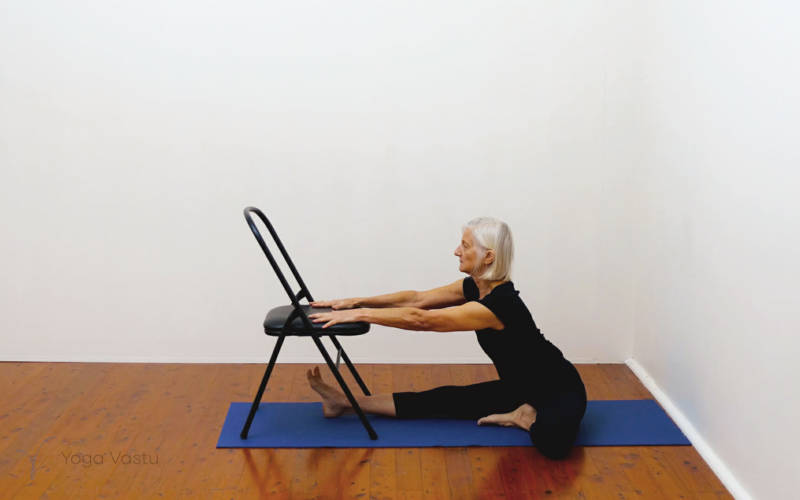
A short, 30-minute sequence to help you build flexibility through practicing standing poses and sitting forward bends with support.
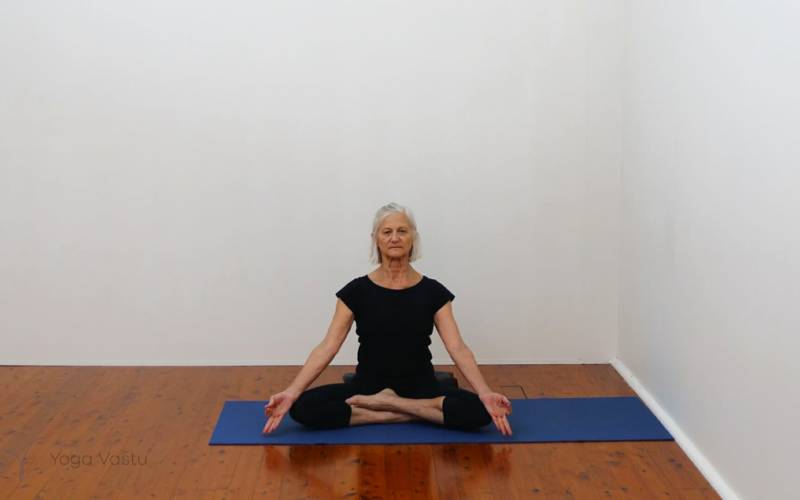
A short restorative sequence that will quieten the mind and will help us become more inwardly observant and attentive.
In yoga, there are seated forward bends and standing forward bends.
Examples of standing forward bends are Uttanasana (Standing Forward Bend), Prasarita Padottanasana (Wide-Legged Forward Bend), and Adho Mukha Svanasana (Downward-Facing Dog Pose). All these poses are also examples of mild inversions. They help stretch the hamstrings and elongate the spine. They get you used to being upside down and are a good warm-up for full inversions.
Seated forward bends are calming. They are usually practiced towards the end of the sequence. They help calm your nerves and soothe your mind. Seated forward bend asanas stretch your spine and neutralise the effects of inversions. Examples include: Paschimottanasana (Seated Forward Bend), Janu Sirsasana (Head-to-Knee Pose), Marichyasana 1 (Pose Dedicated to the Sage Marichi 1), and Upavistha Konasana (Wide-Angle Seated Forward Bend).
Forward bends can be challenging, especially for beginners. BKS Iyengar underlined the importance of body consciousness. Beginners usually think the goal of a forward bend asana is to reach the toes. As a result, they don’t lay the foundations, necessary to reap all the benefits of proper practice.
The aim of forward bend asanas is to stretch the hamstrings and elongate the spine one vertebra at a time. If you jam yourself into the pose, you can cause wear and tear in your muscles and spine. Prolonged improper practice can lead to long-term damage.
Know your limits. In seated forward bends use a cushion under your buttocks to help you tip from your pelvis. It is also useful to use a belt to reach your toes in Paschimottasana or Janu Sirsasana. When practicing standing forward bends place your hands on your shins or use blocks under your hands to give you extra height.
Don’t forget to breathe correctly. As you inhale, assess the pose. As you exhale, fold deeper. With time and regular practice, you will be able to improve your flexibility and do forward bend asanas without props.
Forward bend asanas have many pronounced benefits for the body and mind. They quieten the mind and are good for preparing you for meditation. They stretch the back of the body and massage the abdominal organs (improve digestion). Standing forward bends help increase blood flow to your upper: this helps restore heart and organ function after strenuous exercise.