Video: Sequence
46 mins
Finding focus and stability in standing poses
Today’s session focusses on finding stability in all the poses by creating an anchor to stabilise the body and the mind.
Found 147 results, page 5 of 7
Today’s session focusses on finding stability in all the poses by creating an anchor to stabilise the body and the mind.
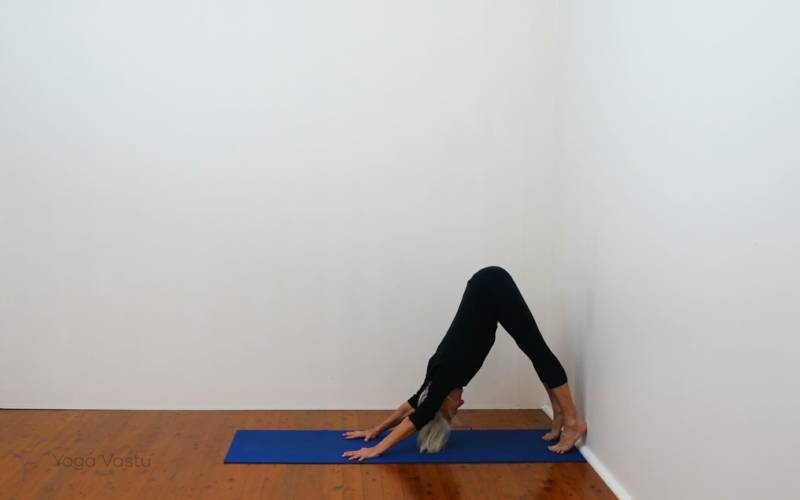
This sequence is aimed towards opening the chest, the groins, and lower pelvic region, as well as quietening the nervous system.
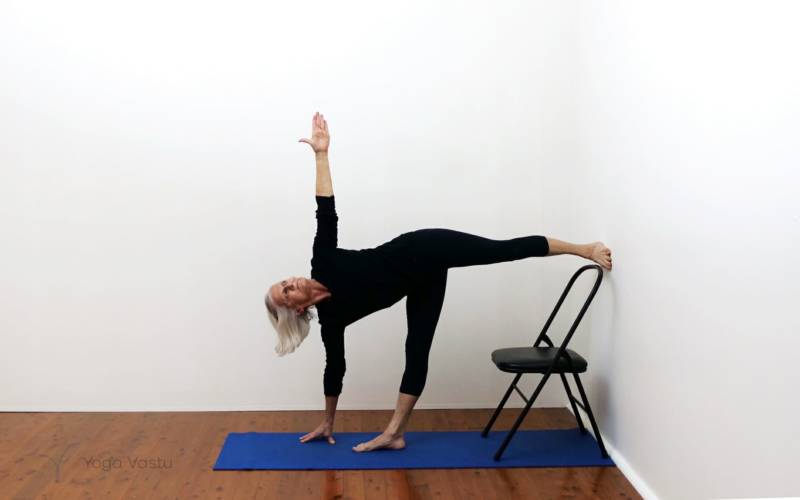
This sequence can be practised during the second part of the menstrual cycle, when our energy may be a bit stronger, or when you are wanting to create some hip and groin opening, using supports as needed to lessen any load when stiff or fatigued.
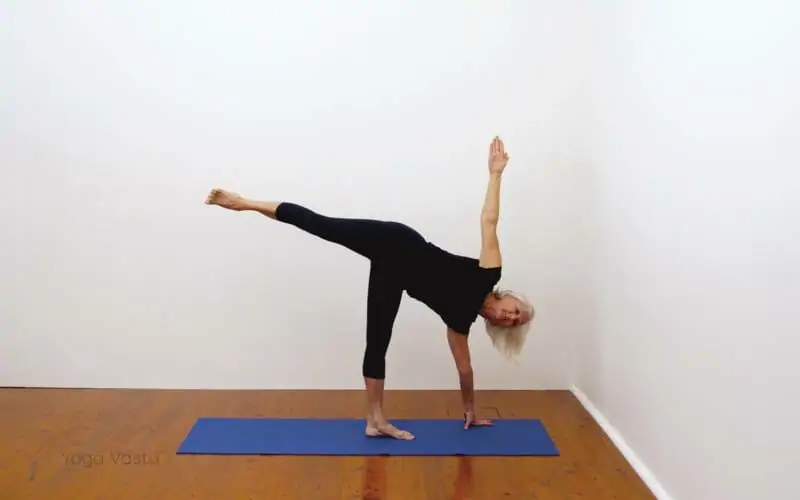
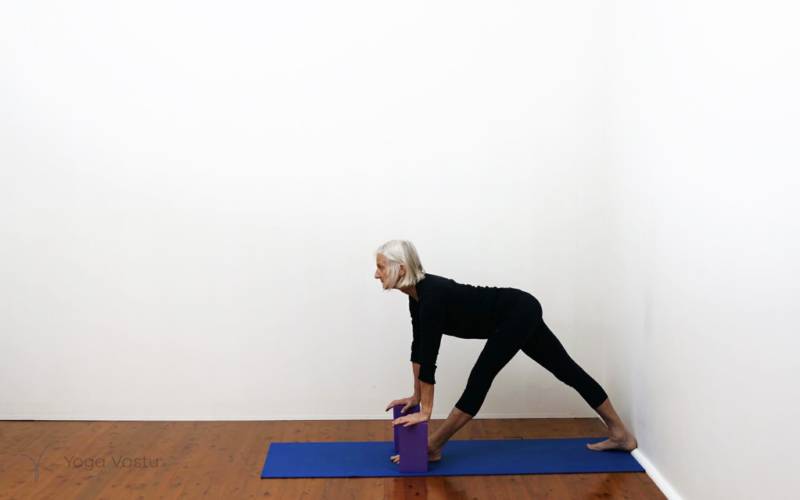
This short sequence helps to connect the actions that integrate the upper and lower body in Dog Pose and a few preparatory inversion poses leading into the standing poses.
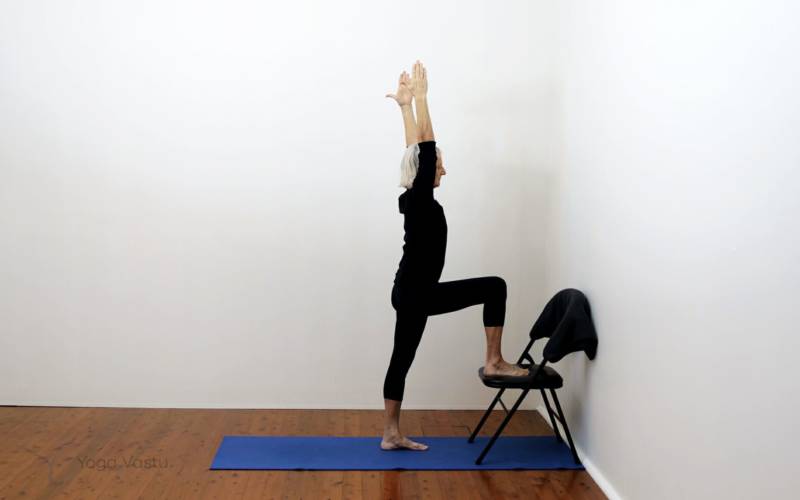
Yoga can play a good part in preparing mentally and physically for a big walk, a run, or a bout of exercise in general.
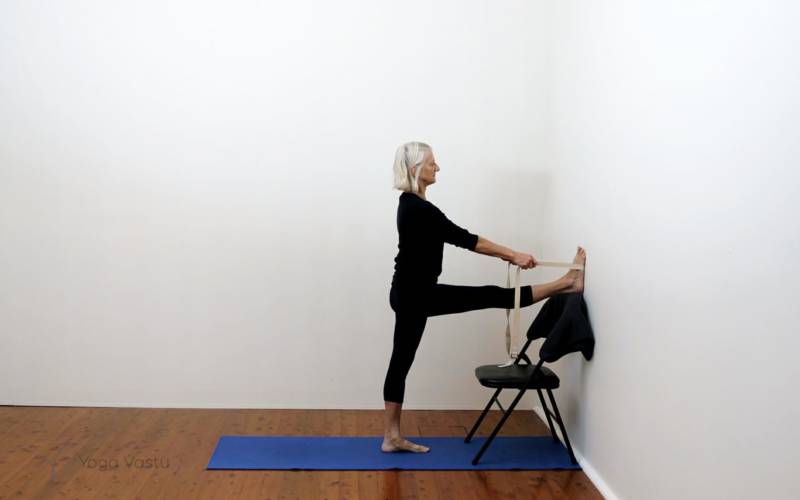
Yoga can play a good part in preparing mentally and physically for a big walk, a run, or a bout of exercise in general.
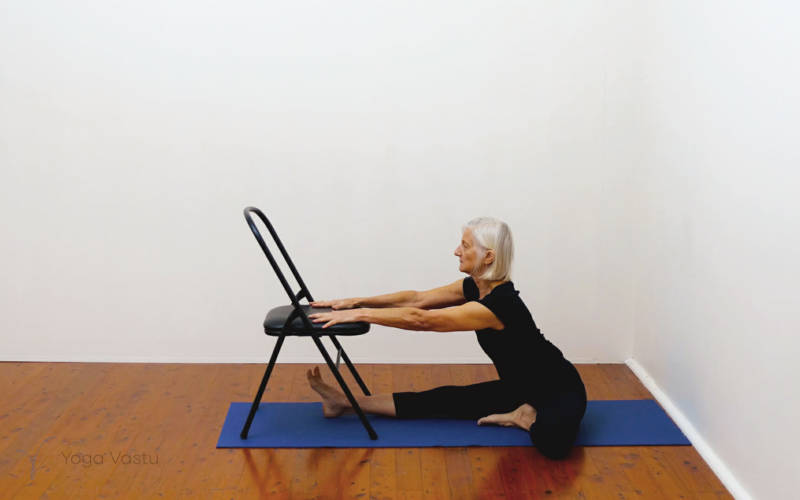
A short, 30-minute sequence to help you build flexibility through practicing standing poses and sitting forward bends with support.
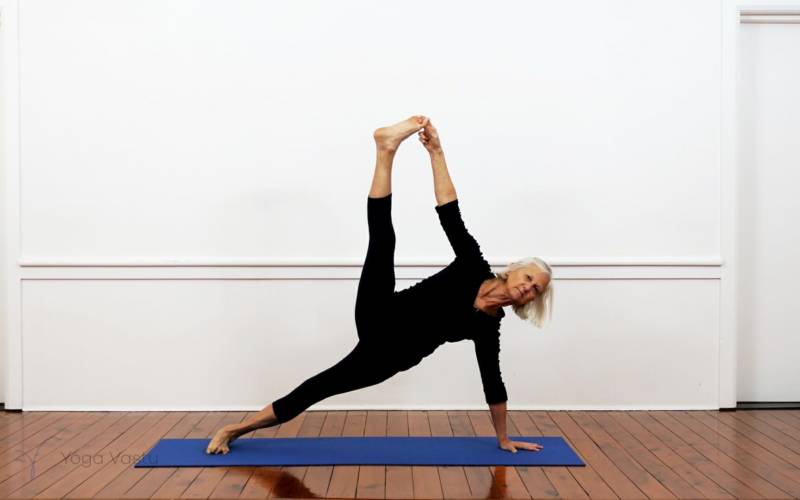
This is a slightly shorter and perhaps more diverse sequence than we might usually do at this level.
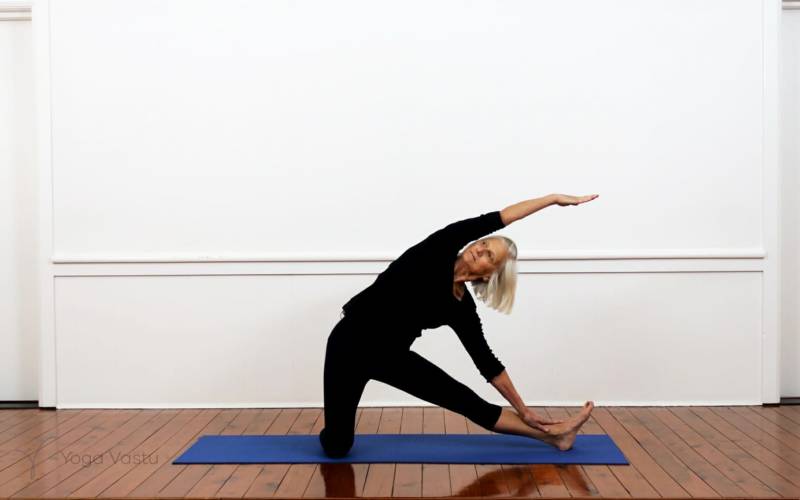
In this sequence, we will build on a few base poses, in standing and sitting, adding a little weight-bearing in the arms.
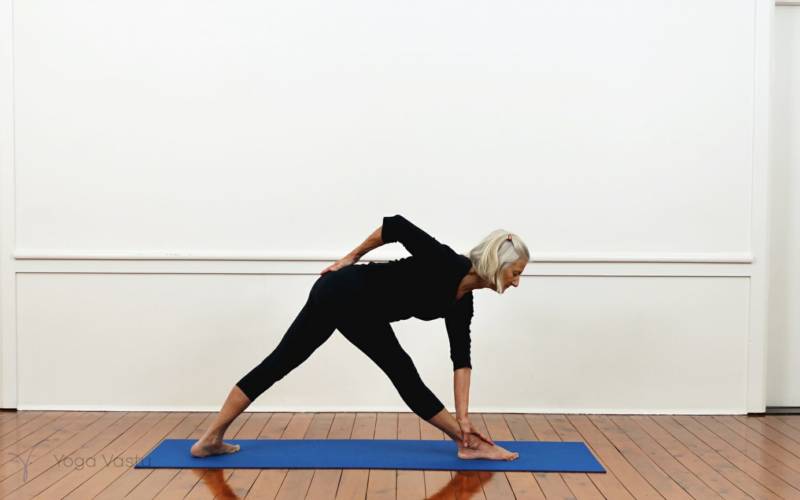
In this sequence you will go through the first part of the session a little more quickly: Dog Pose on the breath, repeating several times, all the standing poses done up to now, once each, and then adding in a twisting standing pose, Parivrtta Trikonasana, Reverse Triangle pose, introduced dynamically, on the breath.
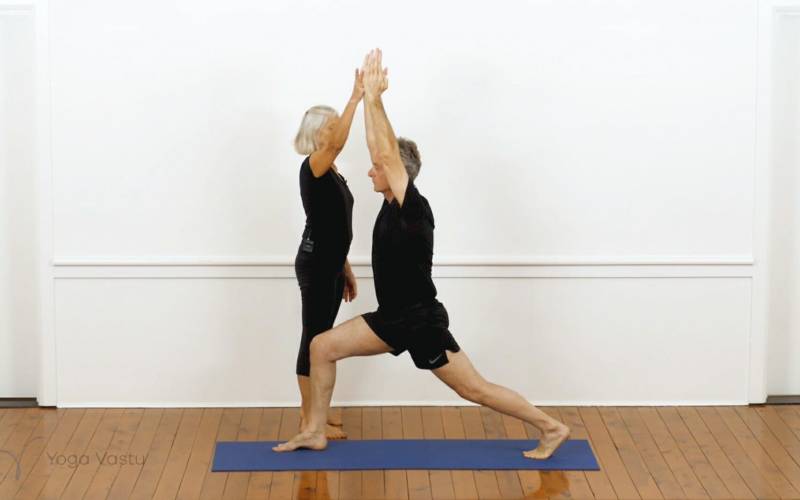
The aim of these first five Beginner classes is to guide you towards becoming a little more familiar with some of the principles of a basic Iyengar Yoga practice: foundation, stability, focus, and self-observation.
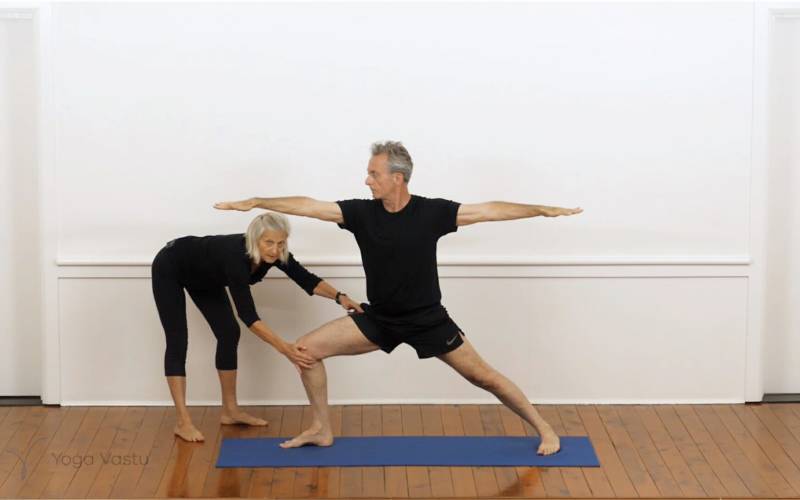
This sequence begins with lying back over blankets in Simple Cross Legs to open the chest and quieten the mind, before coming up to standing in Tadasana, feet apart, and going through some basic arm variation actions to open the chest and to release stiffness in the shoulders and upper back.
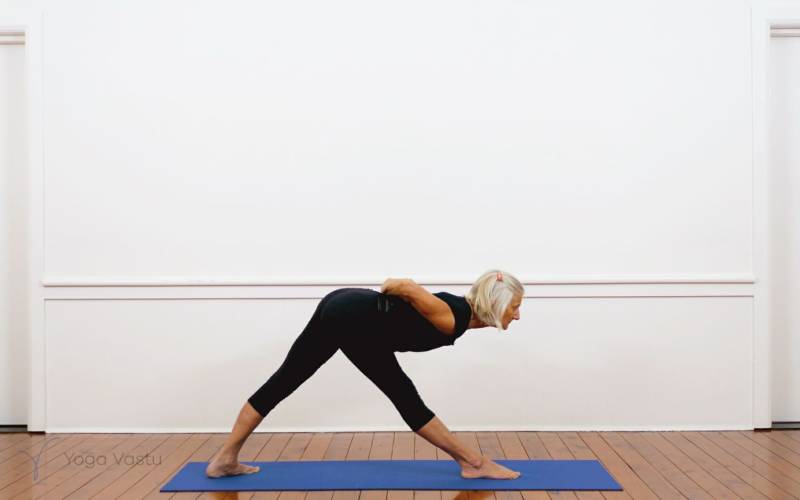
Session 3 will add an extra shoulder-opening variation, and continue with the Standing Poses already practised and one new addition.
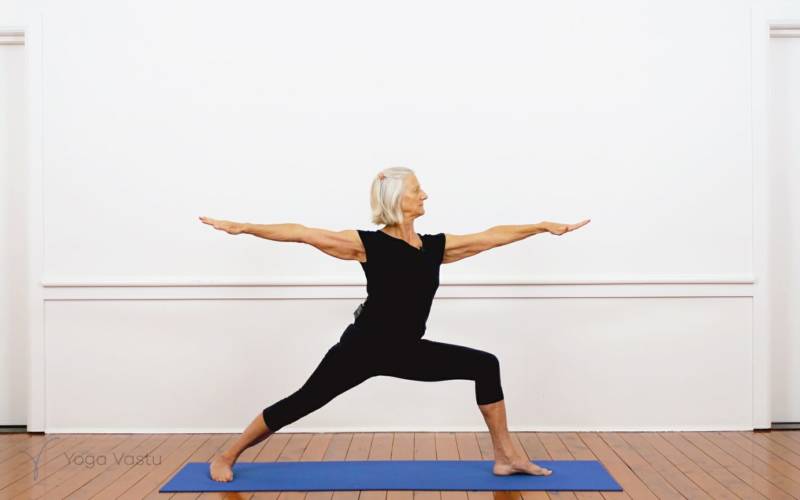
As you become more familiar with the poses, you may find that you start to understand and remember the instructions given about how to come into the pose.
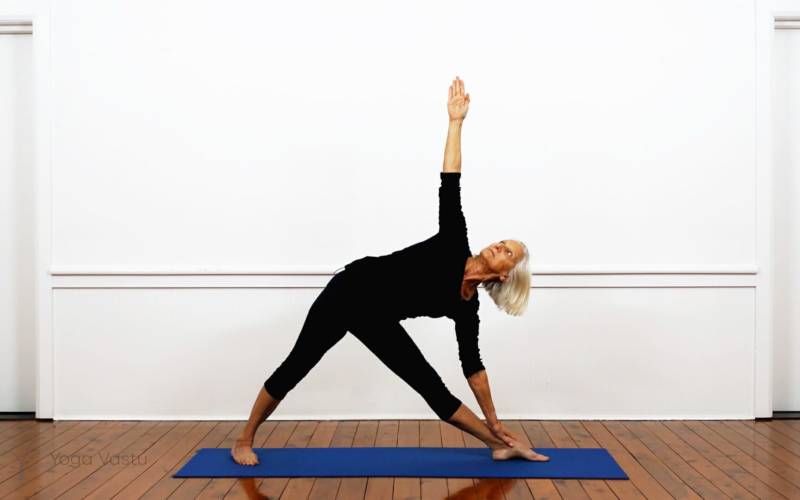
This is the first session of a 5-week Beginners course, where we use only a mat and a towel (and perhaps a book) as minimal props.
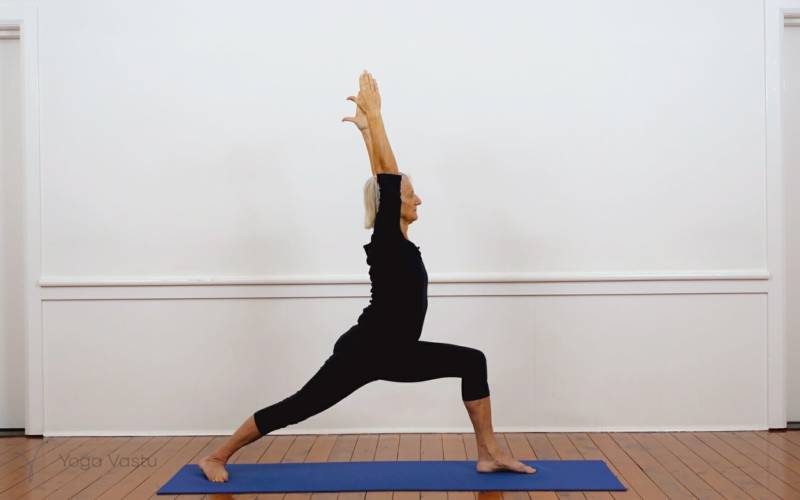
The second session of the Beginners course will continue with some shoulder-opening poses, a review of the standing poses, and a few more sitting pose options to open into the hips and groins.
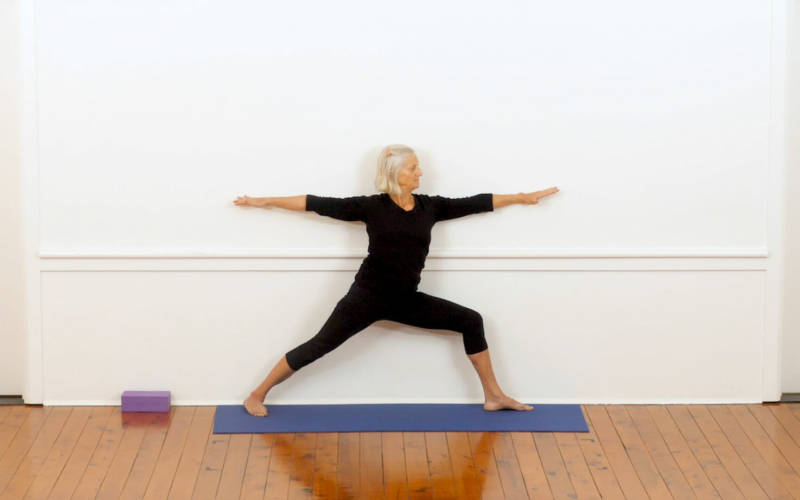
Today’s sequence is for finding where we are out of alignment.
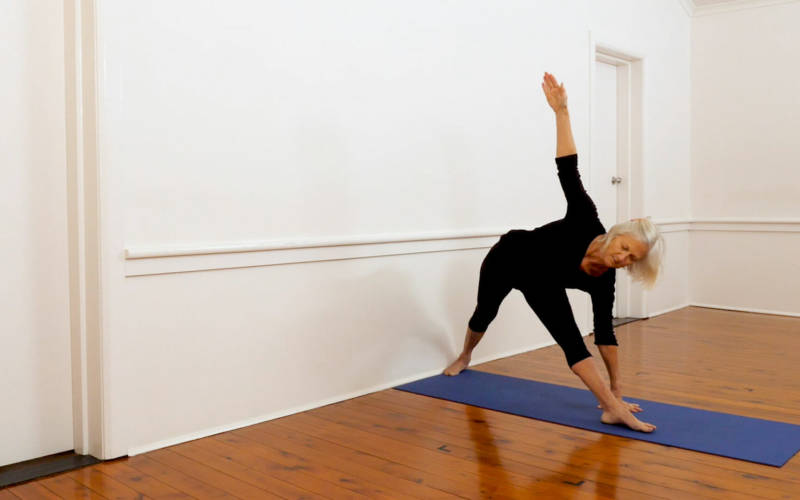
This sequence focuses on diagonal Standing Poses as an inquiry into what these variations bring and how they might help when the hips or lower back/sacral areas are tight or restricted.
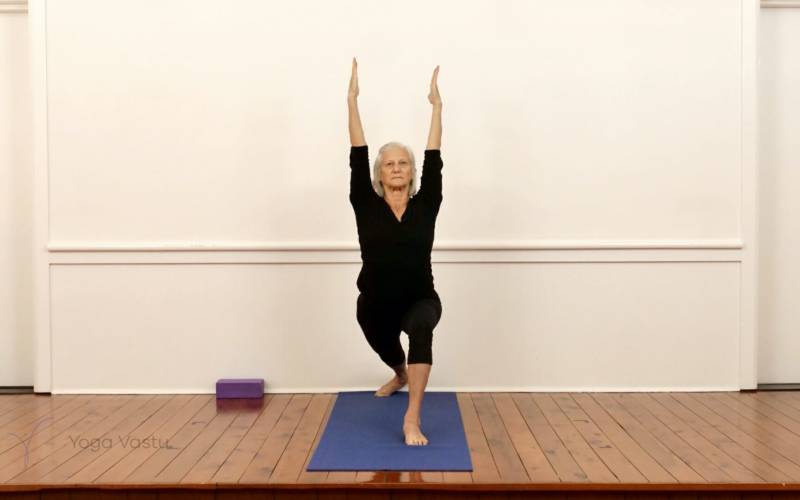
A standing pose sequence done with the back foot to the wall.
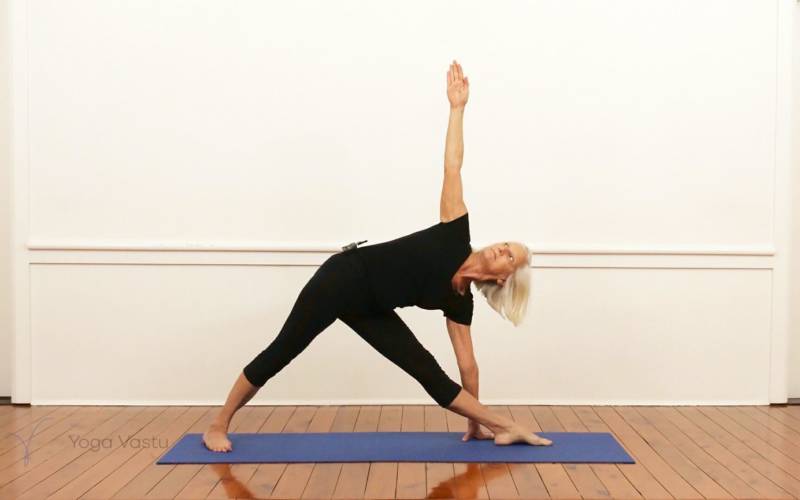
This class takes the student through a classic standing pose sequence, emphasising certain actions to follow and things to observe as we come to each pose.
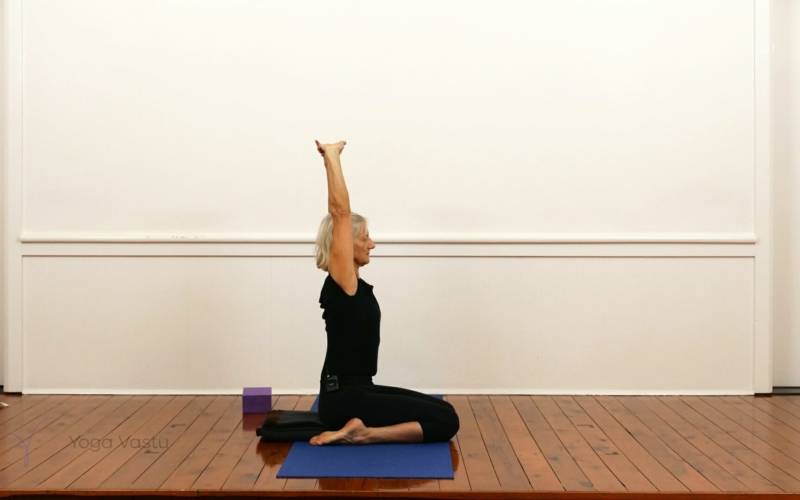
The aim of this session is to follow a sequence of hip opening poses, starting with some standing asana and then following on with several seated postures that will continue with that focus.
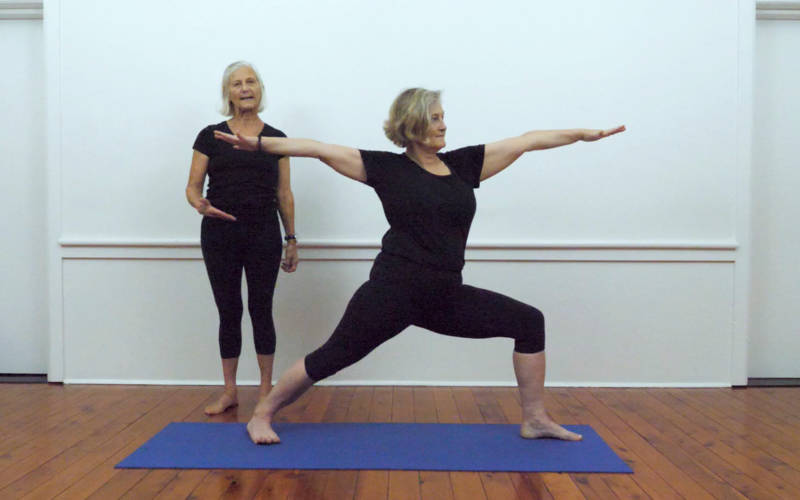
This sequence keeps you building your understanding and experience of the foundation poses.
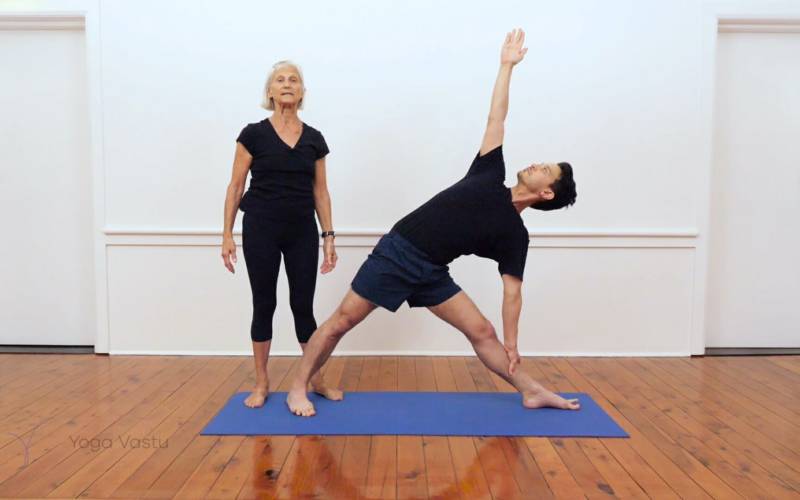
The video aims at creating a methodical step by step introduction into the first basic postures and giving a taste of the foundation Iyengar yoga sets up from the start to allow for a systematic progression class by class.
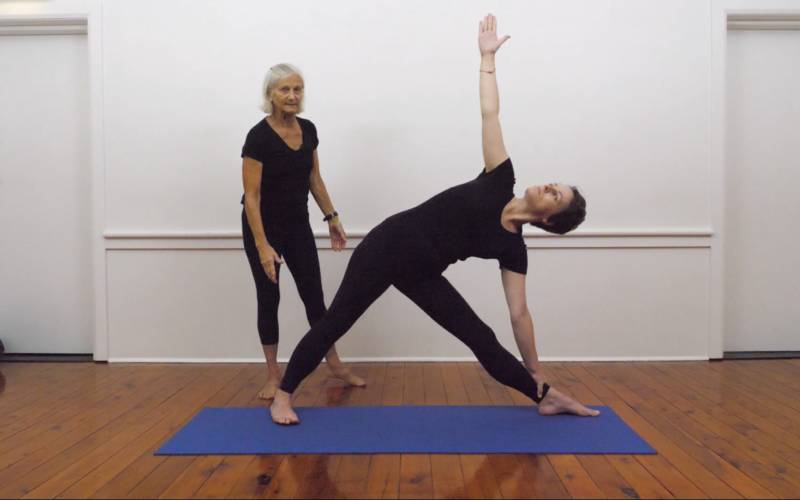
This is the second class for students new to Iyengar yoga.
Standing asanas in yoga are used to build strength, stability, and balance. You can also use some standing poses as transitions between other poses. They help you come back to neutral and get centred.
Examples of standing asanas are Tadasana (Mountain Pose), Utkatasana (Chair Pose), Vrksasana (Tree Pose), Utthita Trikonasana (Extended Triangle Pose), and Utthita Parsvakonasana (Extended Side Angle Pose).
Standing poses combine elements from other pose types. For example, Vrksasana is an asymmetrical standing balance pose. Trikonasana and Parsvakonasana are also lateral side bends.
Standing asanas lay at the foundation of all other poses. They help lay the groundwork for everyday life, too. Foundational standing poses like Tadasana (the grandfather of all asanas) teach you to stand correctly, activate your leg muscles, support your spine with ease, and distribute your weight evenly. We need our feet to take us places. Standing asanas teach us to pay more attention to our movements, to navigate through life effortlessly.
Mastering standing asanas helps us master all other pose types. They give us the confidence to balance, the strength to hold a pose for longer, and the mental stability to remain dedicated. Standing poses cultivate the patience within us to remain still for prolonged periods of time. Tadasana is one of the most important yoga asanas. Just like in Savasana, the aim is to stay still, get grounded, and draw focus to the act of doing nothing. This is a useful skill in everyday life. Nowadays, the pace of life is so fast that it is easy to get caught up in stressful and chaotic situations. Remembering the virtue of patience can help cope with stress and to remain neutral in the face of adversity.
Other standing asanas are more challenging: they combine stillness and strenuous exercise. Learning to hold these poses for longer periods of time is only possible with patience. They activate and tone the glutes, stretch the side body, improve your sense of balance, and make you more resistant to stress. Standing asanas strengthen the body and mind simultaneously.