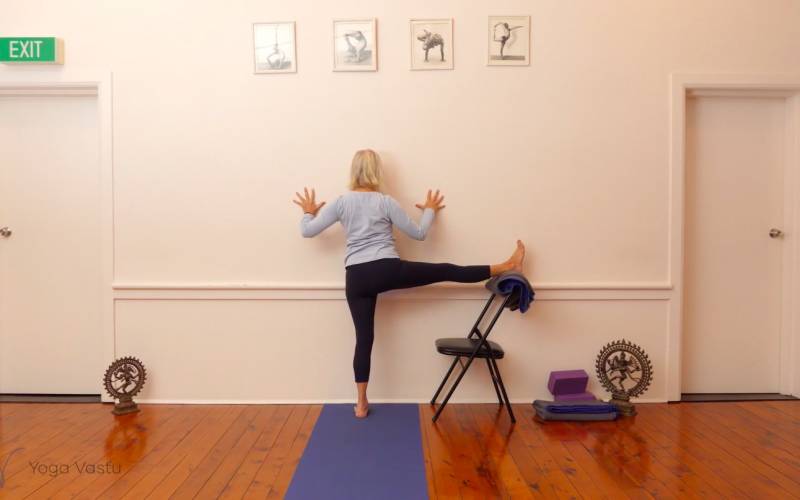
Video: Live class
91 mins
Forward Bends with a Focus on Legs (Level 3)
In this video, we will be looking at the subtle actions in our legs as we extend in forward bends.
Found 147 results, page 4 of 7
In this video, we will be looking at the subtle actions in our legs as we extend in forward bends.
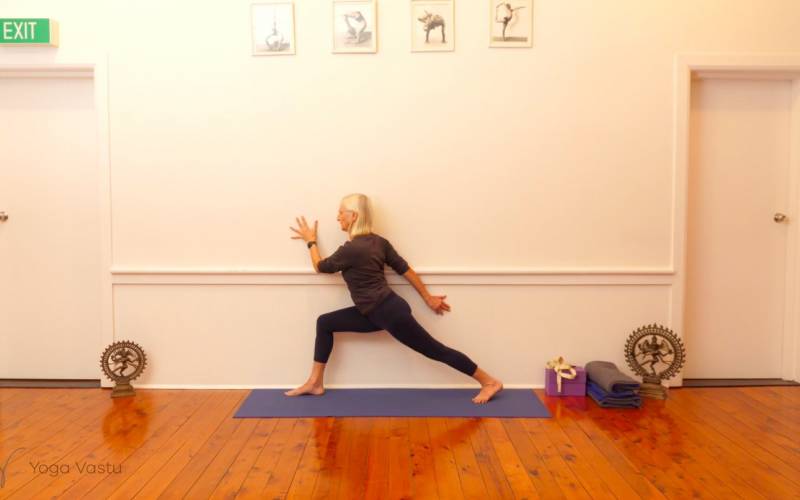
In this standing pose session, we will approach standing poses both from a free-standing position and using wall support.
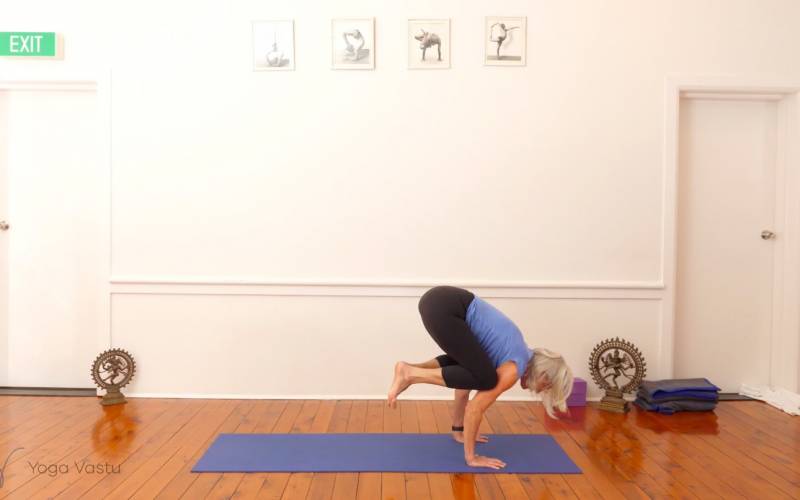
A miscellaneous class that incorporates poses from all the pose groups and includes some arm balances in the middle.
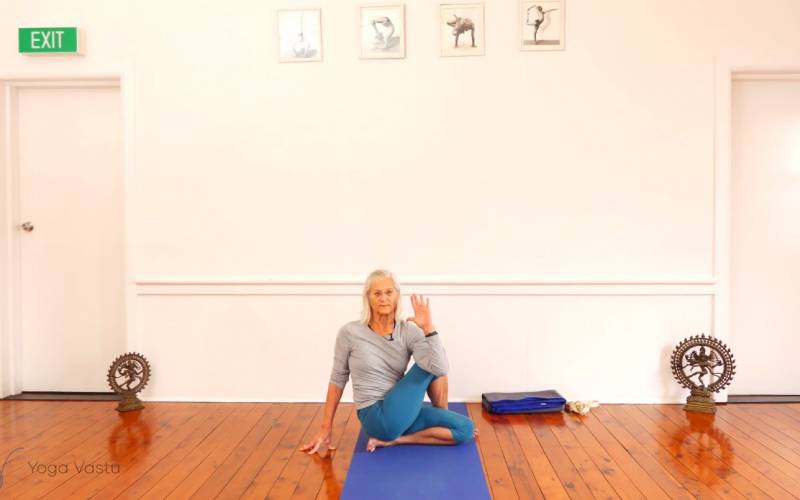
In this advanced class, we will be going through a wide range of standing and seated forward bends, focussing on opening up the inner groin in order to prepare the body for Padmasana and other high-level seated postures.
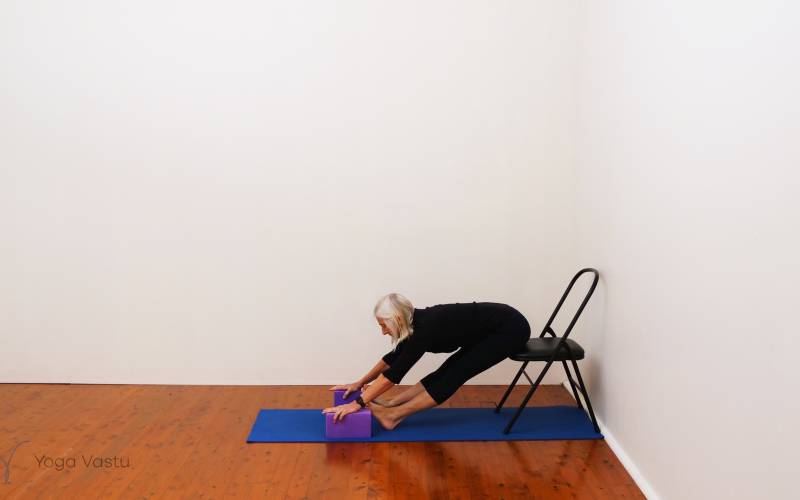
This sequence aims to increase our understanding of forward bend actions.
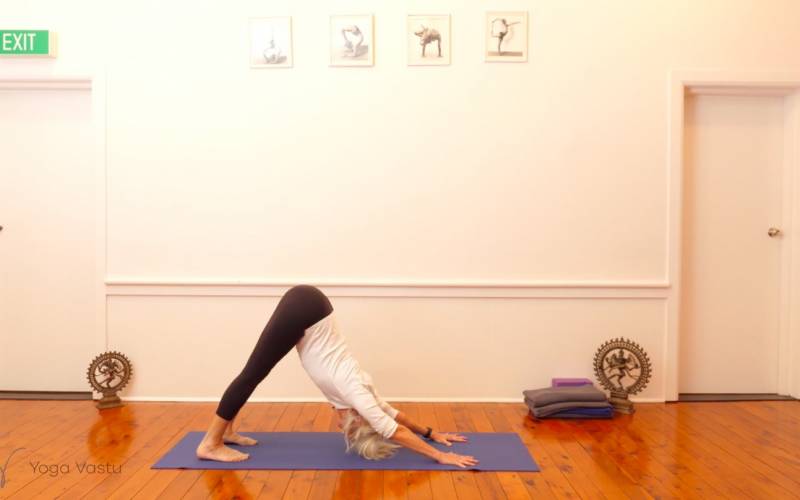
In this dynamic class, we will look at different transitions we can do when using Adho Mukha Svanasana as our starting point.
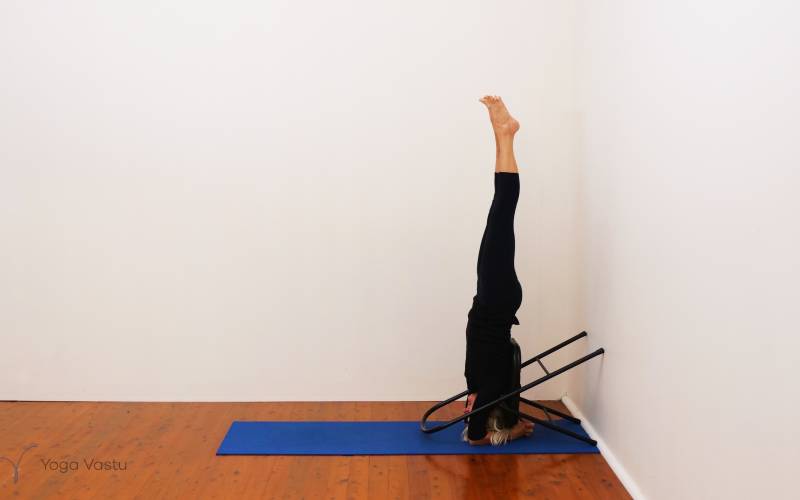
This general-level sequence aims to combine two ways of practising: uplifting our energy and quietening our mind.
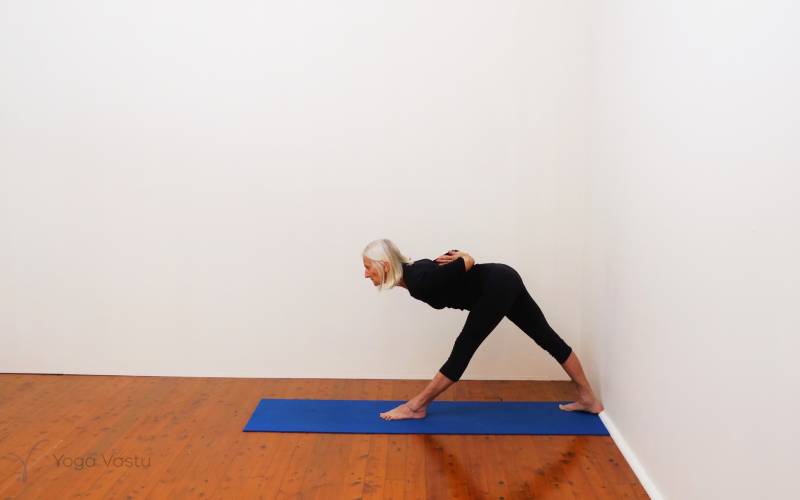
The first video in a new series aimed at helping beginner-level students strengthen their foundations.
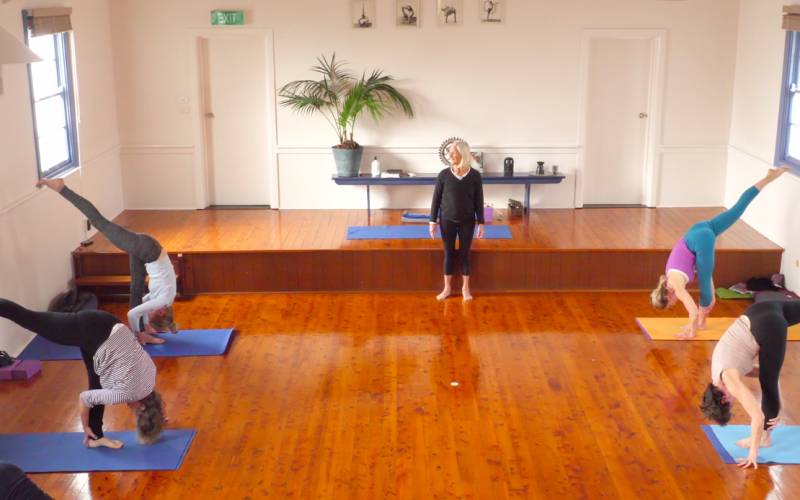
In this live video, filmed at the Balmain Iyengar Yoga Studio, we will be going through a miscellaneous sequence, looking at weight-bearing and working on our balance.
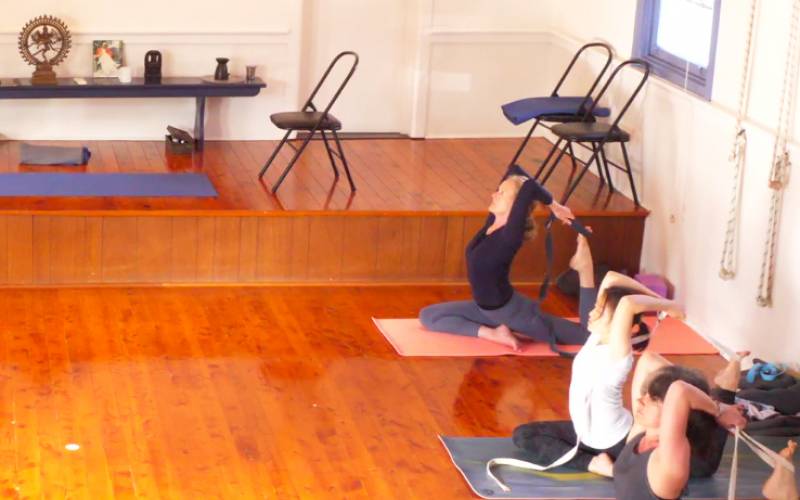
This is a well-rounded class which will be split into two parts: the warm-up (standing poses) and the main part (backbends).
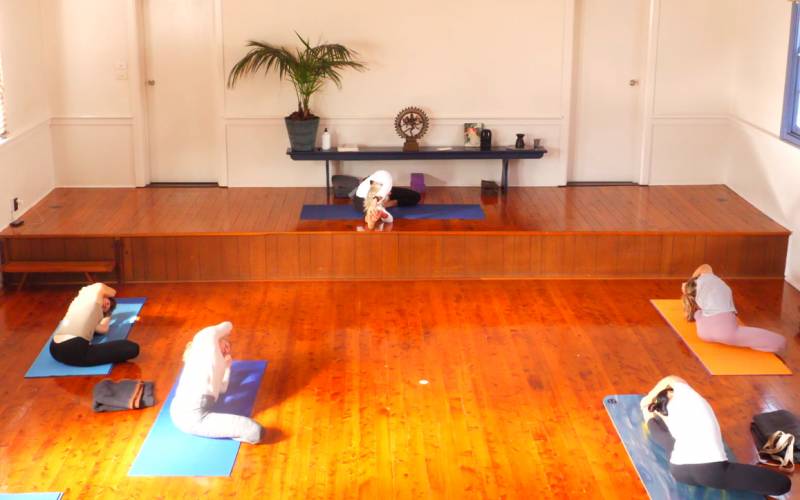
This is a well-rounded forward bend class for advanced students, including twists and asymmetrical variations.
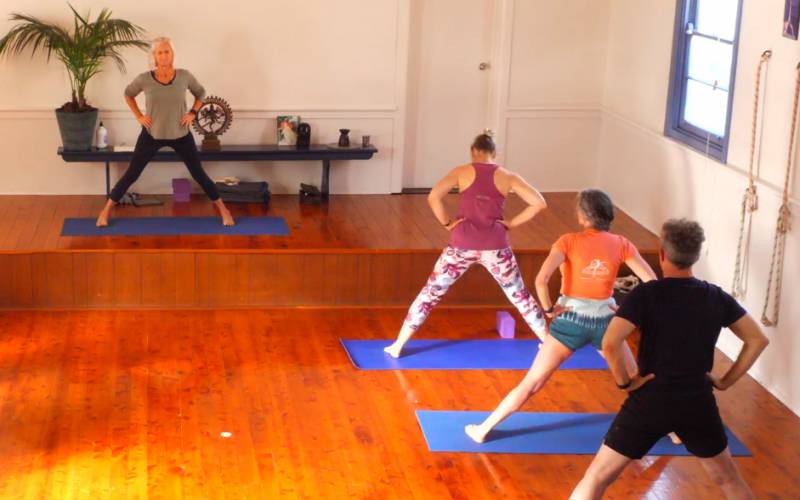
In this advanced live class, we will be focussing on increasing mindfulness while performing standing poses.
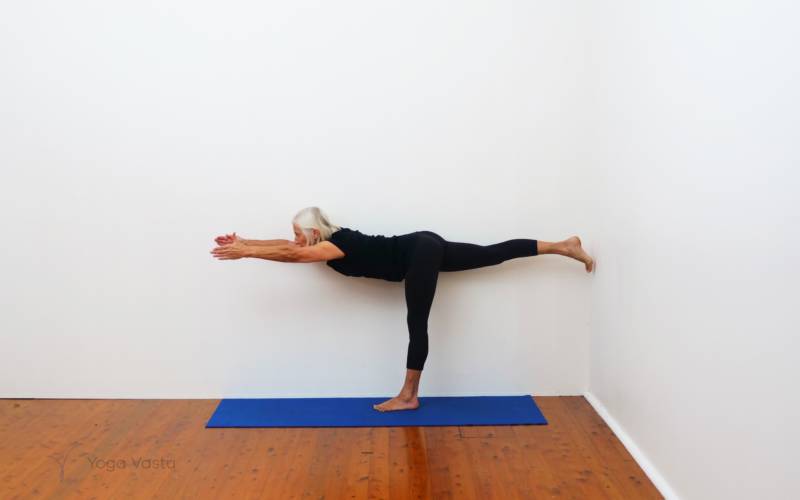
We will be looking at some standing poses to the wall today.
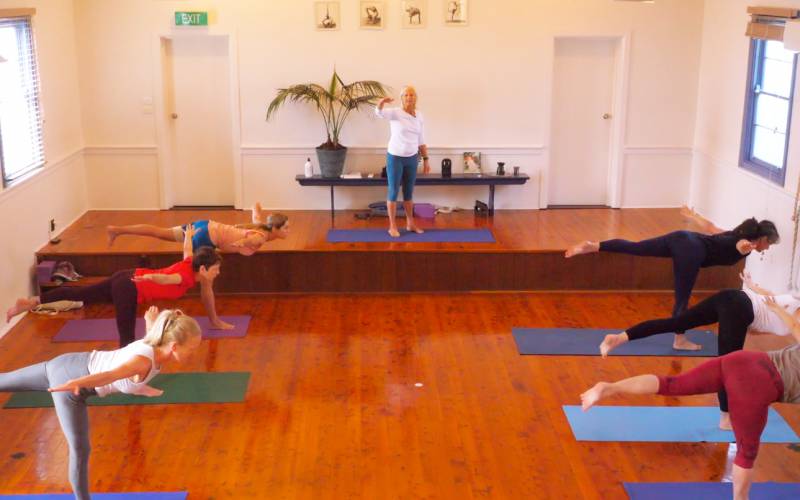
This is a recording of the first advanced class of the second term at the Balmain Iyengar Yoga Studio.
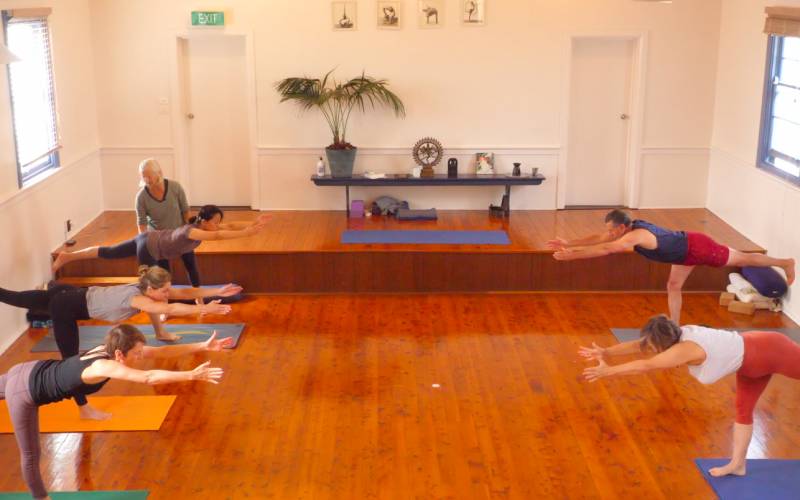
This is a live standing pose class for advanced level students, filmed at the Balmain Iyengar Yoga Studio, taught by Pixie Lillas.
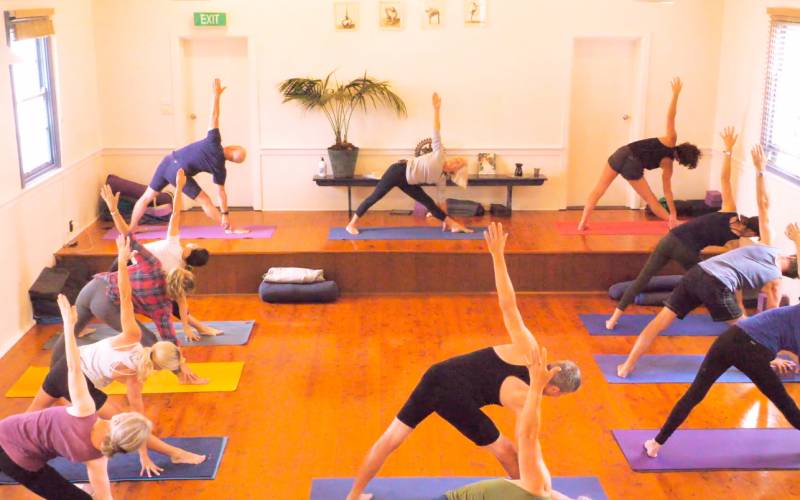
In this week's class, we will be focussing on alignment and evenness in our standing poses.
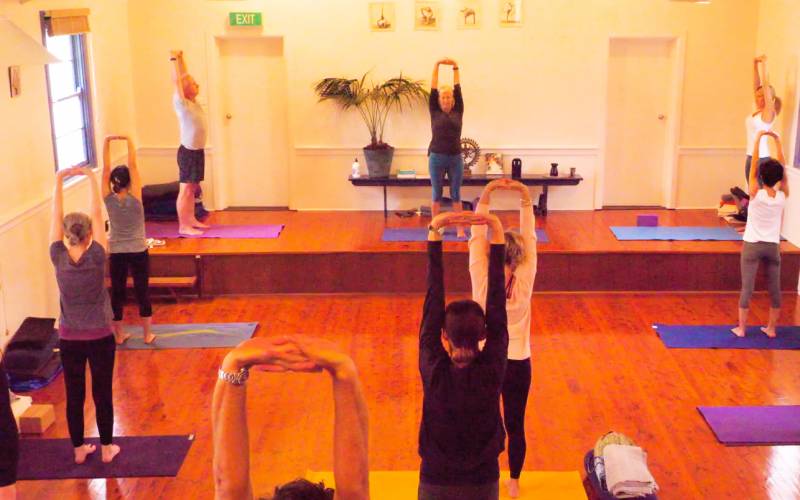
This is a more dynamic class, featuring a wide range of asanas.
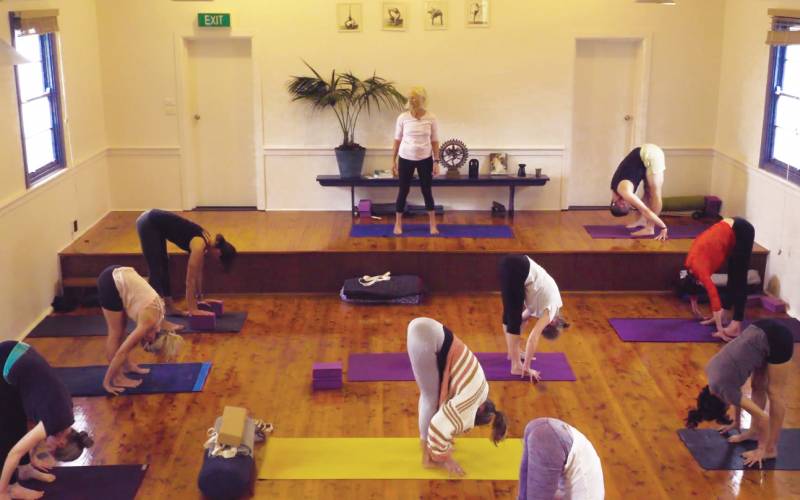
This is the first class of the year for our Level 3 students at our Balmain Iyengar Yoga Studio.
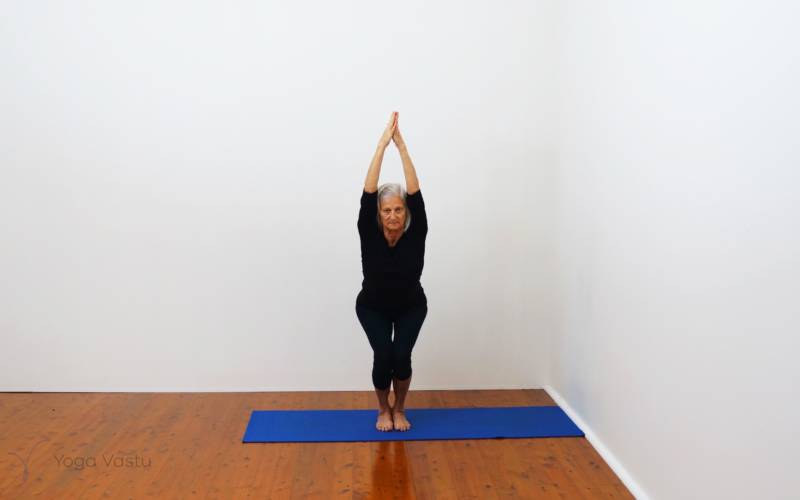
This session uses various standing poses to bring extra focus to the hips.
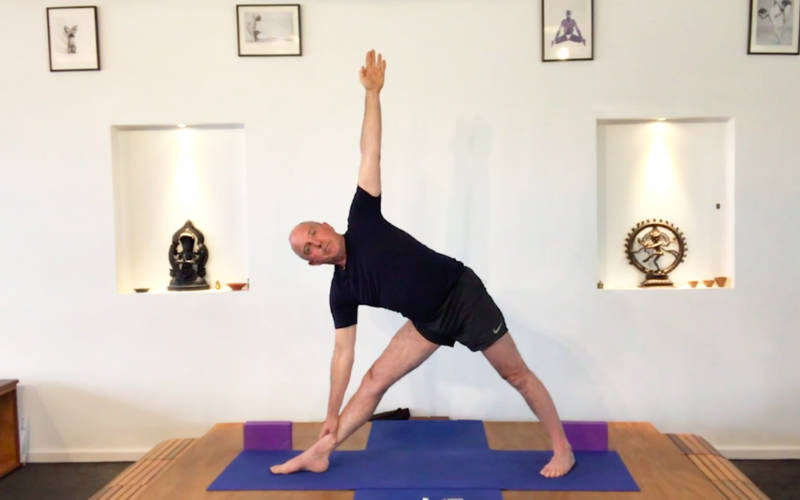
In today’s sequence, we will look more closely at the meaning of each of the practised asanas.
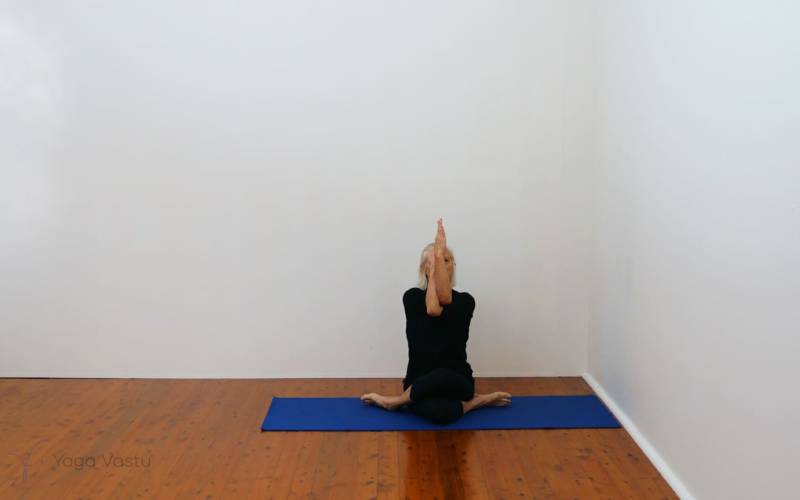
This session aims to bring awareness to the peripheral limbs and core of our bodies.
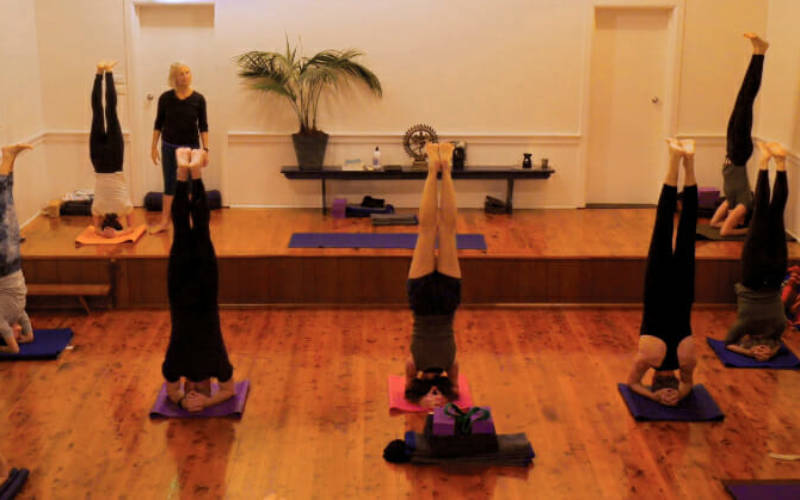
An intermediate to advanced level live class focussing primarily on forward bends. Shot at the Balmain Iyengar Yoga Studio and taught by Pixie Lillas.
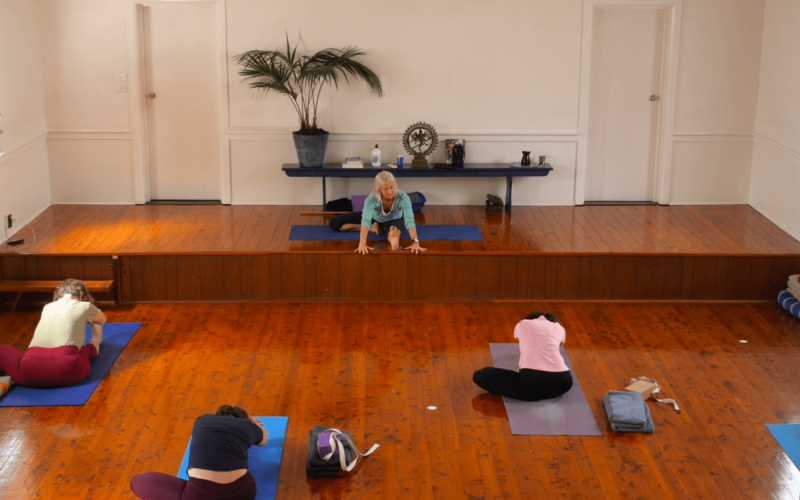
A forward bend live class for advanced level students. Filmed at the Balmain Iyengar Yoga Studio. Now available on-demand. Taught by Pixie Lillas.
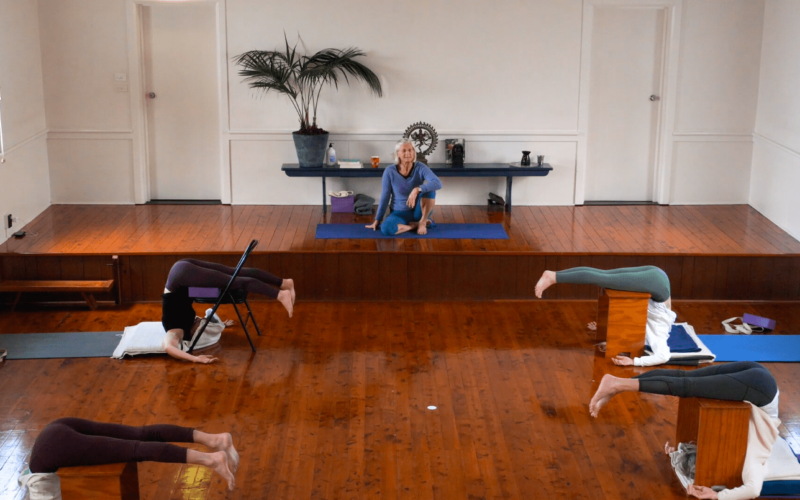
Friday Intensive Workshop: As this session is 2.5 hours long, we can spend a little more time preparing for the balancing poses by opening into the hips and by focussing on the actions required to help enter more easily into the arm balance poses.
Standing asanas in yoga are used to build strength, stability, and balance. You can also use some standing poses as transitions between other poses. They help you come back to neutral and get centred.
Examples of standing asanas are Tadasana (Mountain Pose), Utkatasana (Chair Pose), Vrksasana (Tree Pose), Utthita Trikonasana (Extended Triangle Pose), and Utthita Parsvakonasana (Extended Side Angle Pose).
Standing poses combine elements from other pose types. For example, Vrksasana is an asymmetrical standing balance pose. Trikonasana and Parsvakonasana are also lateral side bends.
Standing asanas lay at the foundation of all other poses. They help lay the groundwork for everyday life, too. Foundational standing poses like Tadasana (the grandfather of all asanas) teach you to stand correctly, activate your leg muscles, support your spine with ease, and distribute your weight evenly. We need our feet to take us places. Standing asanas teach us to pay more attention to our movements, to navigate through life effortlessly.
Mastering standing asanas helps us master all other pose types. They give us the confidence to balance, the strength to hold a pose for longer, and the mental stability to remain dedicated. Standing poses cultivate the patience within us to remain still for prolonged periods of time. Tadasana is one of the most important yoga asanas. Just like in Savasana, the aim is to stay still, get grounded, and draw focus to the act of doing nothing. This is a useful skill in everyday life. Nowadays, the pace of life is so fast that it is easy to get caught up in stressful and chaotic situations. Remembering the virtue of patience can help cope with stress and to remain neutral in the face of adversity.
Other standing asanas are more challenging: they combine stillness and strenuous exercise. Learning to hold these poses for longer periods of time is only possible with patience. They activate and tone the glutes, stretch the side body, improve your sense of balance, and make you more resistant to stress. Standing asanas strengthen the body and mind simultaneously.